

When actors speak at business summits, the conversation usually circles around branding and fame. At the 2026 Global Business Summit in Gurugram, Abhishek Bachchan chose a different lens. He spoke about breakfast. About hot sauce. About ordering Mamledar Misal on repeat.
The larger point was simple. He invests in what he genuinely uses.
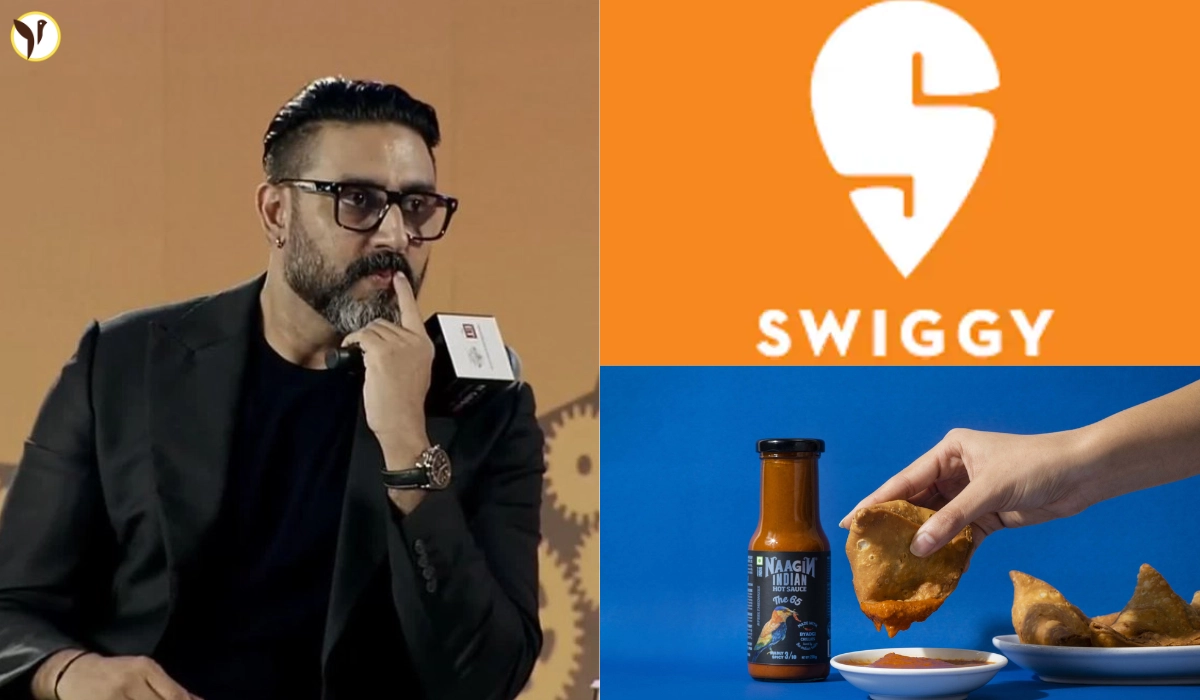
That personal rule, he explained, shaped his backing of Swiggy, Naagin Hot Sauce and even quick commerce platforms like Zepto. It also mirrors a broader shift in India’s startup ecosystem where celebrity capital increasingly follows consumer conviction rather than vanity partnerships.
From Daily Orders to Equity Stakes
Bachchan described how Mamledar Misal, a well-known Thane eatery, became part of his regular routine in Mumbai. Ordering it through Swiggy turned into habit. Over time, he realised he was not just a customer but a loyal one.
Instead of viewing that as a passing indulgence, he treated it as data. If he was repeatedly spending on a service, perhaps there was logic in owning a piece of it. That idea eventually translated into an investment in Swiggy.
Swiggy today operates across food delivery, quick commerce through Instamart, and logistics services. For urban India, it has become part of daily infrastructure rather than a luxury app. Bachchan’s reasoning reflects that ground reality. He invests in platforms embedded in his life.
Naagin: From Taste Test to Strategic Partner
The story behind Naagin Hot Sauce is even more personal. Founded in 2019 as an Indian gourmet hot sauce brand, Naagin built a niche audience among urban consumers seeking bolder, regionally inspired flavours.
Bachchan first encountered the product as a consumer. Heavy usage, as he described it, built familiarity. When the company raised around USD 1 million in 2022 to scale operations, he joined as a strategic partner.
The brand received unexpected visibility through breakfast photos occasionally shared by Amitabh Bachchan on social media, where the Naagin bottle was visible. While not a formal campaign, that organic presence created recall among followers.
For readers, the key distinction is that Bachchan’s involvement goes beyond endorsement. He holds equity and aligns with growth strategy.
Quick Commerce and Consumption Patterns
The link between Naagin and Zepto also emerged from routine behaviour. Realising that sauces and groceries could arrive within minutes reshaped how he stocked his kitchen.
India’s quick commerce race, led by players like Zepto and Swiggy Instamart, hinges on frequency. Breakfast essentials, late-night cravings and dinner add-ons drive repeat orders. Bachchan’s investment logic follows that frequency model.
He framed it as a simple cycle. If you regularly spend on a service and believe in its utility, investing becomes a way of participating in its upside.
Sports: Long-Term Commitment, Not Trend Play
Beyond food and delivery platforms, Bachchan’s portfolio includes sports franchises. He is co-owner of Jaipur Pink Panthers in the Pro Kabaddi League since 2014. He is also associated with Chennaiyin FC in the Indian Super League.
These are not short-term startup bets. They require sustained capital and operational engagement. The Pro Kabaddi League, once considered experimental, has grown into a major televised property. Early ownership positioned him within India’s expanding sports entertainment economy.
Tea, Partnerships and Brand Synergy
Bachchan has also invested in premium tea brand Vahdam India, alongside cricket legend Sachin Tendulkar. Vahdam focuses on exporting Indian teas directly to global consumers, cutting intermediaries and building a premium positioning.
Again, the common thread is personal consumption. Tea, like breakfast or dinner sauces, is habitual. That habit-driven lens shapes allocation decisions.
Real Estate as Portfolio Backbone
Apart from startups and sports, his real estate portfolio in Mumbai reportedly stands at around Rs 219 crore, according to market data cited in business reports. Property remains a traditional hedge for high net worth individuals in India.
Unlike venture investments, real estate offers asset-backed security and long-term appreciation. The mix of consumption-led startups and stable property holdings reflects diversification rather than impulsive expansion.
Investment Snapshot
|
|
|
|
|
|
|
|
|
|
|
|
|
|
|
|
|
|
|
|
|
|
|
|
|
|
|
|
|
|
|
|
Celebrity Capital and Startup India
India’s startup ecosystem has increasingly attracted celebrity investors. The difference now lies in structure. Equity participation signals deeper involvement than brand endorsements.
At the summit, Bachchan emphasised discipline. Investment is not about glamour. It is about understanding a product well enough to believe it can scale.
For Gurugram’s business audience, the takeaway was practical. Consumer insight often precedes spreadsheets.
The Cultural Role of Mamledar Misal
Mamledar Misal, popular in Thane and Pune, has long been considered a breakfast staple. Its availability through Swiggy connected local food heritage with digital delivery networks.
That bridge between tradition and technology reflects modern Indian urban life. It also explains why investors see food platforms as infrastructure rather than trend-driven apps.
Where This Portfolio Points
Bachchan’s remarks suggest future investments may continue following daily patterns. Food, sports, lifestyle, property. The logic remains consistent.
He is not positioning himself as a venture capitalist chasing valuation spikes. Instead, he frames himself as a consumer first.
For Indian readers tracking startup news, this matters because it underscores a broader reality. Consumer behaviour increasingly shapes capital allocation.