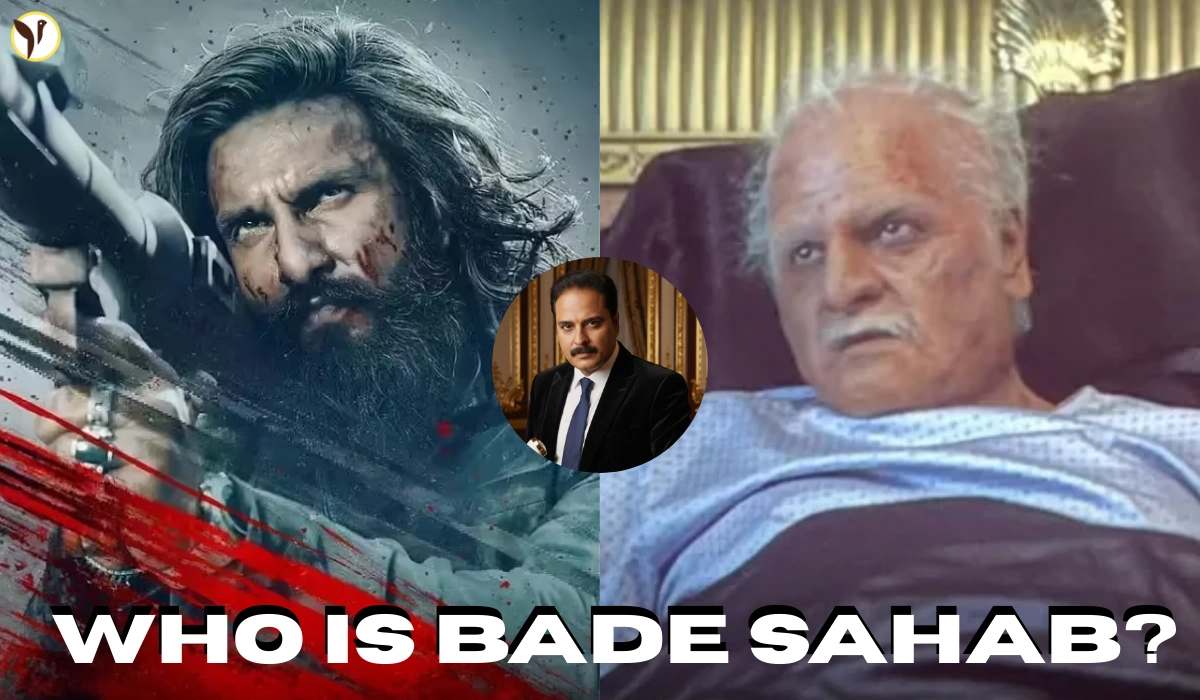


The biggest talking point around Dhurandhar 2 right now isn’t just its scale or star cast. It’s the surprising entry of Danish Iqbal as Bade Sahab, a character believed to be inspired by Dawood Ibrahim. Early box office trends indicate a strong opening momentum, with the film racing toward a massive weekend total. What’s catching attention is how a theatre actor, not a mainstream star, is driving the film’s most intense conversations.
A Casting Move That Changed the Narrative
Before the official reveal, industry chatter strongly pointed toward big names like Salman Khan or Emraan Hashmi stepping into this powerful antagonist role. That didn’t happen.
Director Aditya Dhar chose a performance-first approach instead. By casting Danish Iqbal, the film removes the distraction of star image and pushes the audience to focus entirely on the character.
This decision reflects a growing shift in Bollywood where storytelling and realism are beginning to take priority over star-driven casting.
Theatre Roots Bring Realism to the Screen
Danish Iqbal’s journey stands apart from typical Bollywood entries. He trained at the prestigious National School of Drama, a space known for producing actors with strong technical grounding.
You may recognise him from Maharani Season 2, where his role as Dilshad Mirza earned attention for its quiet intensity. That same controlled performance style now shapes Bade Sahab.
Instead of exaggerated villainy, you see:
-
Controlled dialogue delivery
-
Subtle facial expressions
-
Psychological depth over loud aggression
This makes the character feel closer to reality rather than cinematic fiction.

How Bade Sahab Shapes the Film’s Storyline
Ranveer Singh returns as Hamza, continuing the narrative from the first film. The story builds gradually before introducing Bade Sahab as a central force in the second half.
Once the character enters, the tone shifts. The narrative becomes more intense and layered, with the conflict moving from investigation to direct confrontation.
Key highlights of the character’s impact:
-
Drives the core conflict in the second half
-
Connects multiple story threads
-
Raises the emotional and strategic stakes
-
Brings a grounded underworld presence
This structure gives the antagonist a lasting impact rather than just screen presence.
Audience Reaction Signals a Bigger Shift
Early audience reactions suggest that viewers are not missing a big star in this role. Instead, many are appreciating the freshness of the casting.
This tells you something important about current viewing trends:
-
Audiences are open to non-star actors in major roles
-
Realistic performances are gaining preference
-
Strong writing and casting are becoming key drivers
Social media conversations highlight how Danish Iqbal’s performance stands out without relying on typical villain tropes.
Why This Role Stands Out in Today’s Bollywood
Modern crime thrillers are moving away from loud, stylised villains. Instead, they focus on characters who operate quietly but carry strong influence.
Danish Iqbal’s portrayal fits into this evolving space. The character of Bade Sahab appears to rely on:
-
Authority without aggression
-
Strategy over spectacle
-
Presence over dialogue-heavy scenes
This aligns with global storytelling trends, where realism plays a bigger role in audience engagement.
Other Articles to Read:
- Yuzvendra Chahal Reveals Why He Quit Alcohol Before IPL 2026 Start
- Horror on Mumbai Pune Expressway—3 Dead in Seconds, Chaos Everywhere
- Spider-Man: Brand New Day Trailer Shows MJ New Boyfriend And Peter Heartbreak
- Fortnite Down Today: Exact Server Return Time & S2 Launch
- Survivor 50 Episode 4 – Zac Brown Steals the Spotlight, But Who Went Home?
- Ustaad Bhagat Singh vs Dhurandhar—The Battle No One Saw Coming!
- Taylor Frankie Paul on GMA Amid Probe as Deals & Steals Slash Up to 55%
A Defining Moment for Danish Iqbal
For Danish Iqbal, this film could mark a turning point. Moving from theatre and selective screen appearances to a major commercial release often reshapes an actor’s career trajectory.
If the performance connects widely, it may lead to:
-
Bigger roles in mainstream films
-
Increased demand for theatre-trained actors
-
A shift in how casting decisions are made
This isn’t just about one film. It’s about opening doors for a different kind of acting talent in Bollywood.