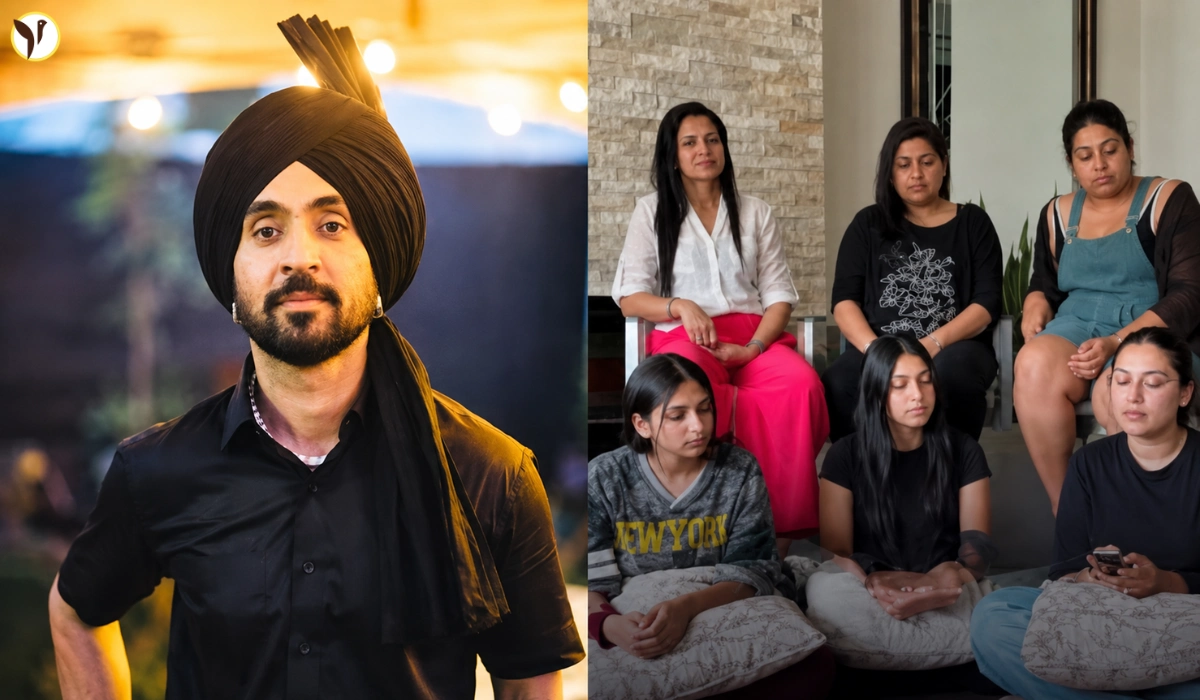


A pattern spanning three tour legs — North America, Europe, and now 2026 — has seen female dancers repeatedly speak out about inadequate pay, body shaming, unsafe working conditions, and management chaos. Here is the complete story.
Female dancers who performed — or attempted to perform — on Diljit Dosanjh's global tours have, on multiple occasions, quit and publicly spoken out against what they describe as low pay, body shaming, unsafe working environments, and a management culture they say treats performers as expendable. The concerns are not isolated complaints: they form a documented pattern across three separate tour phases.
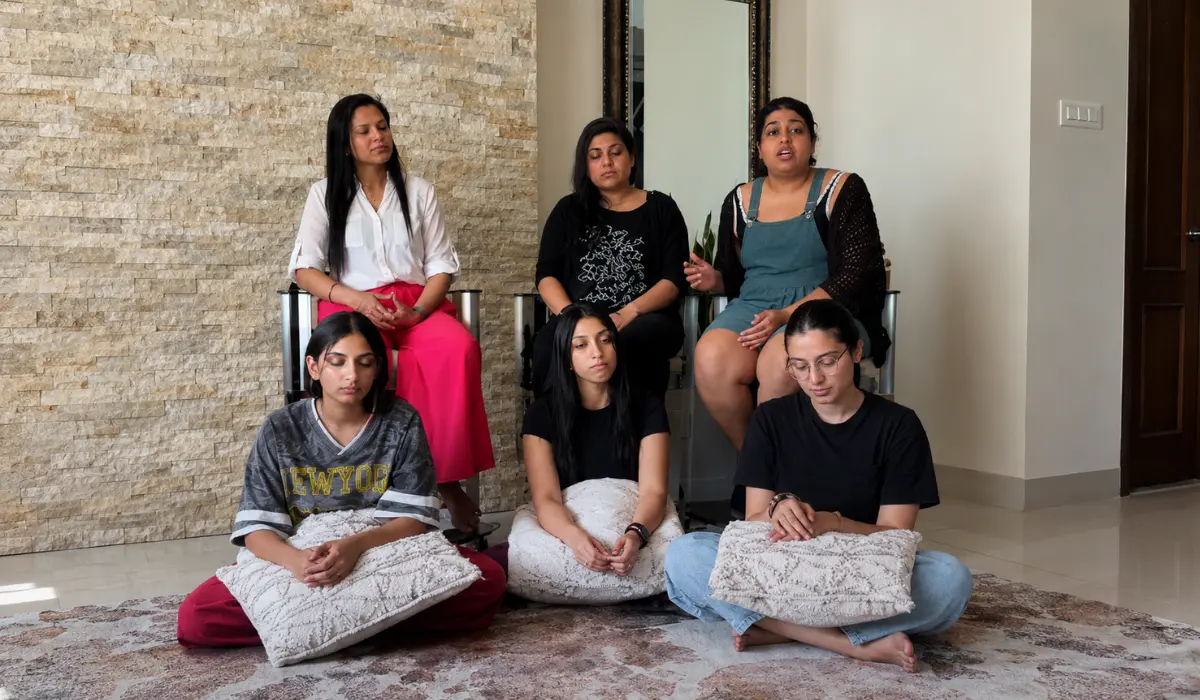
As of May 16, 2026, fresh reporting confirms that female dancers on one of Diljit Dosanjh's shows have once again raised concerns about pay, costume requirements, body shaming, and the overall treatment of dancers during performances — the most recent chapter in what has become a recurring controversy that has shadowed the Punjabi superstar's otherwise record-breaking global touring career.
What Actually Happened — The Full Timeline
To understand today's controversy, you need to trace it back to where it began. This is not a single incident — it is a compounding narrative that has grown with each new tour.
- Jul 2024
North America — The First Complaint
LA-based choreographer and studio owner Rajat Rocky Batta posted on Instagram accusing Diljit's Dil-Luminati Tour of expecting desi dancers to perform without pay. His post: "All of the Desi Dancers in Diljit's Dil-Luminati Tour were not paid, and just expected to perform for free." He framed it as a systemic undervaluing of South Asian dance professionals.
- Jul 2024
Management Denies — Bhangra Teams Defend
Diljit's manager Sonali Singh issued a statement saying neither Rajat Batta nor Bhangra dancer Manpreet Toor — who also posted — were ever part of the tour, calling their accounts "false narratives." The official Bhangra teams posted a united statement saying they performed willingly and with pride.
- Oct 2024
Europe — Shilpa Sajan Quits the Tour
London-based dancer Shilpa Sajan withdrew from the European leg of the Dil-Luminati Tour and issued a detailed Instagram post. She said she was offered £80 for the entire tour, expected to cover her own international travel and accommodation. She described ignored messages, last-minute dismissals, no rehearsal structure, and being told "that's just how Indians work." She stated: "No celebrity is worth giving up your self-respect."
- May 2026
Aura Tour 2026 — New Complaints Emerge
Fresh reports confirm female dancers have again raised concerns — this time expanding the scope to include body shaming, objections over costume requirements, and an overall atmosphere in which they say they "didn't feel safe." The reports coincide with Diljit's ongoing Aura World Tour, which includes sold-out Madison Square Garden dates.
Key Facts at a Glance
- First dancer payment controversy surfaced during theDil-Luminati North America Tour (July 2024)
- Dancer Shilpa Sajan pulled out of theEurope leg (October 2024), offered just £80 while expected to self-fund travel
- New allegations surfaced inMay 2026, this time including body shaming and costume complaints
- Diljit's manager previously denied all allegations, stating outsiders "fabricated false narratives"
- Bhangra teams contradicted outside critics, saying they performed willingly out of cultural pride
- Diljit Dosanjh himself hasnever directly respondedto dancer payment allegations
- His Aura World Tour 2026 has already sold out arenas includingMadison Square Garden
The 2026 Allegations: What's New and What's Different
The May 2026 complaints carry significantly more weight than the 2024 incidents for one key reason: they introduce gendered dimensions that weren't as prominent before. While the 2024 controversy was largely about wages, the 2026 reports include:
What Female Dancers Are Alleging in 2026
- Body shaming— female dancers reportedly faced comments about their body size or appearance
- Costume demands— objections raised over what they were required to wear during performances
- Physical safety concerns— dancers stated they "didn't feel safe" in the performance environment
- Pay disparity— continued concerns over compensation during a sold-out world tour
- Treatment during performances— broader complaints about how dancers are managed and treated on stage
The shift from "unpaid" to "unsafe" is significant. It transforms a labour dispute into a workplace dignity and safety matter — and in the context of a global superstar's multi-million-dollar tour, the contrast is stark.
Riddled with unprofessionalism, egos, total disrespect for dancers and being told 'that's just how Indians work.' No celebrity is worth giving up your self-respect.— Shilpa Sajan, London-based dancer, on withdrawing from Diljit's Europe leg (Oct 2024)
The Numbers Behind the Controversy
What makes this story particularly difficult to ignore is the financial context. Diljit Dosanjh is not a small act running on a tight budget.
|
|
|
|
|
|
|
|
|
|
|
|
|
|
|
|
|
|
|
|
|
|
|
|
|
|
|
|
|
|
The Management's Position — And Its Gaps
Diljit's camp has consistently pushed back. His manager Sonali Singh's 2024 statement drew a sharp line: the people raising complaints were either never part of the tour, or were presenting "false narratives." A source close to the team dismissed Shilpa Sajan's account as "baseless and untrue."
However, the management response has notable gaps. It has not addressed:
What remains unanswered by Diljit's team:
1. What is the actual pay structure for background dancers on the tour?
2. Are dancers expected to self-fund any portion of travel or accommodation?
3. What is the official costume and appearance policy for female dancers?
4. Has an independent HR or safety review ever been conducted for tour staff?
5. Why has Diljit Dosanjh himself remained silent on these specific allegations across multiple tour phases?
The Bhangra team's own statement — while supportive — actually confirms the lack of pay for at least some performers, framing it as a personal choice made with "full awareness and acceptance." This is a significant admission: it indicates some performers did work without standard commercial compensation, even if they chose to do so voluntarily.
A Bigger Problem: The Desi Dance Industry's Labour Crisis
What makes this story more than a celebrity gossip scandal is what it reveals about the broader South Asian performing arts ecosystem. Rajat Batta's original complaint was not really about Diljit alone — it was about a culture in which desi dancers are routinely expected to perform for visibility rather than income.
The pattern recurs across Bhangra competitions, Bollywood film shoots, and diaspora cultural events. Performers are told to be grateful for the "exposure." When the stage is a sold-out North American arena or Madison Square Garden, that logic becomes harder to accept.
Key Voices in the Controversy — What Each Party Said
|
|
|
|
|
|
|
|
|
|
|
|
|
|
|
|
|
|
|
|
|
|
|
|
|
|
|
|
|
|
|
|
Why Diljit's Silence Speaks Volumes
Across every phase of this controversy — from the July 2024 North America complaints through the October 2024 Europe walkout and now the May 2026 Aura Tour allegations — Diljit Dosanjh has not made a single direct public statement about dancer welfare.
He has addressed the Coachella snub, responded to political controversies including the pro-Khalistani flag incident at his Calgary show, pushed back on criticism of his ticket prices, and spoken extensively about his journey and values. But on the question of whether his dancers are paid fairly, treated respectfully, and kept safe — nothing.
For an artist whose public persona is built on humility, cultural pride, and grassroots connection, that silence is increasingly difficult to reconcile.
What Happens Next: The Stakes Are Real
The Aura World Tour 2026 is at its commercial peak. Diljit is scheduled to perform at Madison Square Garden twice (May 24–25), followed by major dates in Toronto, Los Angeles, and San Francisco. He has also announced upcoming UK, Europe, and India legs.
The 2026 complaints — particularly the body shaming and safety allegations — arrive at a moment of maximum visibility. With an Emmy nomination for Amar Singh Chamkila, a collaboration with Sia and David Guetta, and near-universal fan adoration, there is both more to protect and more pressure to finally address the issue substantively.
Other Articles to Read: