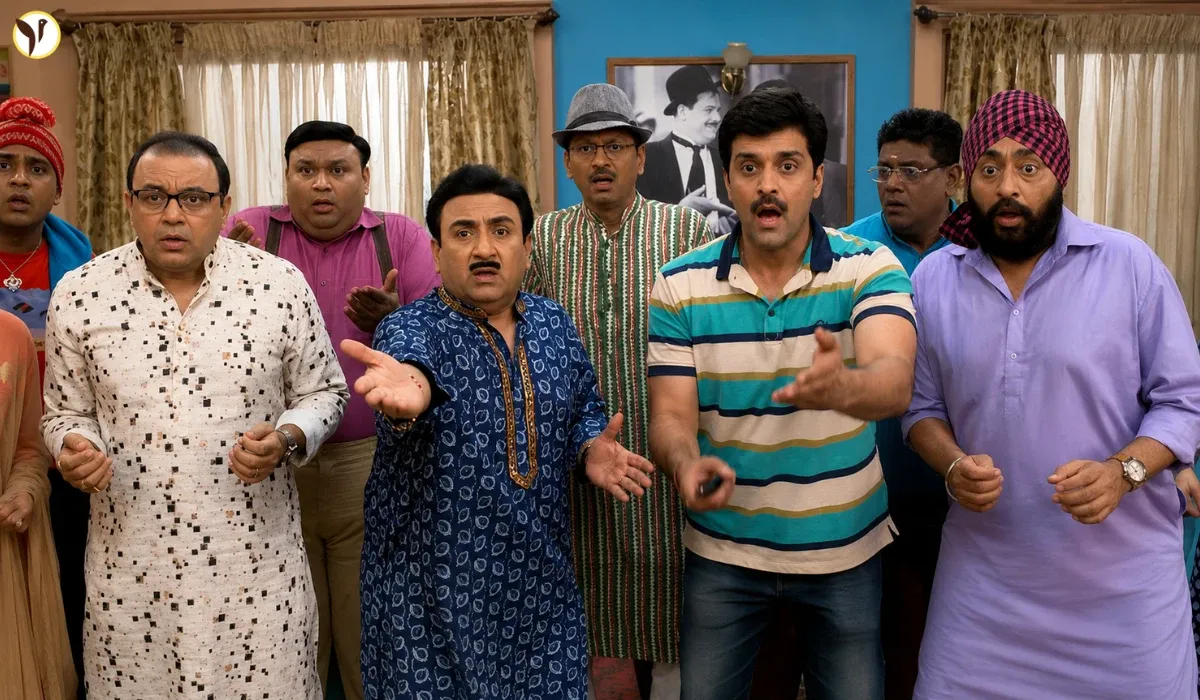
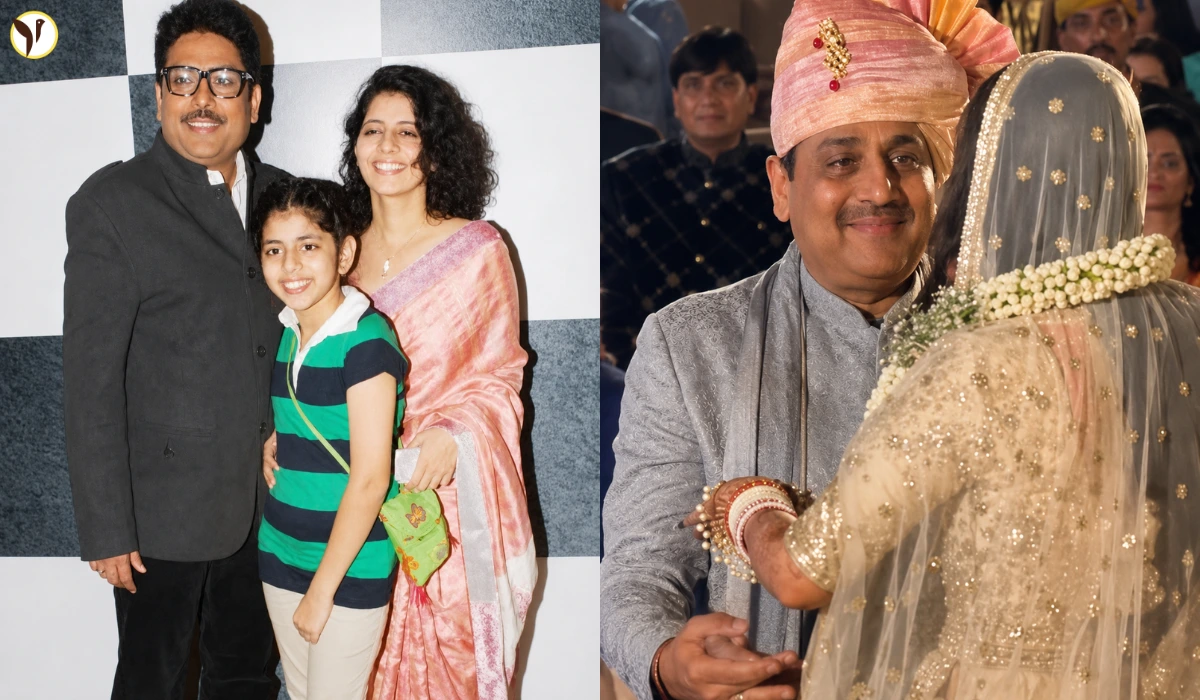


When we hear the name "Tarak Mehta," the immediate visual for millions of Indians is the fictional Gokuldham Society—a bustling, utopian microcosm of Indian diversity. Yet, long before a television producer adapted his work into a cultural phenomenon, Tarak Mehta was a flesh-and-blood patriarch, a formidable Gujarati journalist, and a deeply private family man.
While the nation laughed at his fictional chronicles, his real life operated with a deliberate, dignified silence. At the center of this unseen world is his daughter, a woman whose life narrative offers a fascinating study in legacy, transition, and identity. The journey of Tarak Mehta's daughter—from the protective, intellectual shadow of her father’s hands to the shared, intimate space of her husband’s heart—is a story that demands nuance, moving far beyond the realm of tabloid gossip into the realities of inheriting a monumental surname.
The Weight of a Legendary Surname
To understand the trajectory of Tarak Mehta's daughter, one must first understand the environment that shaped her. Tarak Janubhai Mehta (1930–2017) was not an overnight sensation. He spent decades cultivating a voice that resonated deeply with the Indian middle class through his column Duniya Ne Undha Chashma (Through Blindsided Spectacles).
Growing up as the child of a man who possessed an acute, almost surgical observation of human behavior comes with unique psychological undercurrents. Children of towering literary figures often face a dichotomy: the father who is universally loved by the public is often a disciplined, intellectually rigorous figure at home. For Tarak Mehta’s daughter, the household was likely less about the comedic punchlines that made her father famous, and more about the ethics of storytelling, the weight of words, and the importance of cultural roots.
A Timeline of Influence
The transition of Tarak Mehta's work from print to screen fundamentally altered the family's dynamic. When Taarak Mehta Ka Ooltah Chashmah (TMKOC) premiered in 2008, it brought the Mehta name into the living rooms of a new, younger generation. However, the patriarch maintained strict boundaries between his fictional creation and his biological family.
To understand the timeline of this legacy—and by extension, the environment his daughter navigated as an adult—consider the following data:
The Evolution of Tarak Mehta's Legacy and Family Context
|
|
|
|
|
|
|
|
|
|
|
|
|
|
|
|
|
|
|
|
|
|
|
|
|
|
|
|
|
|
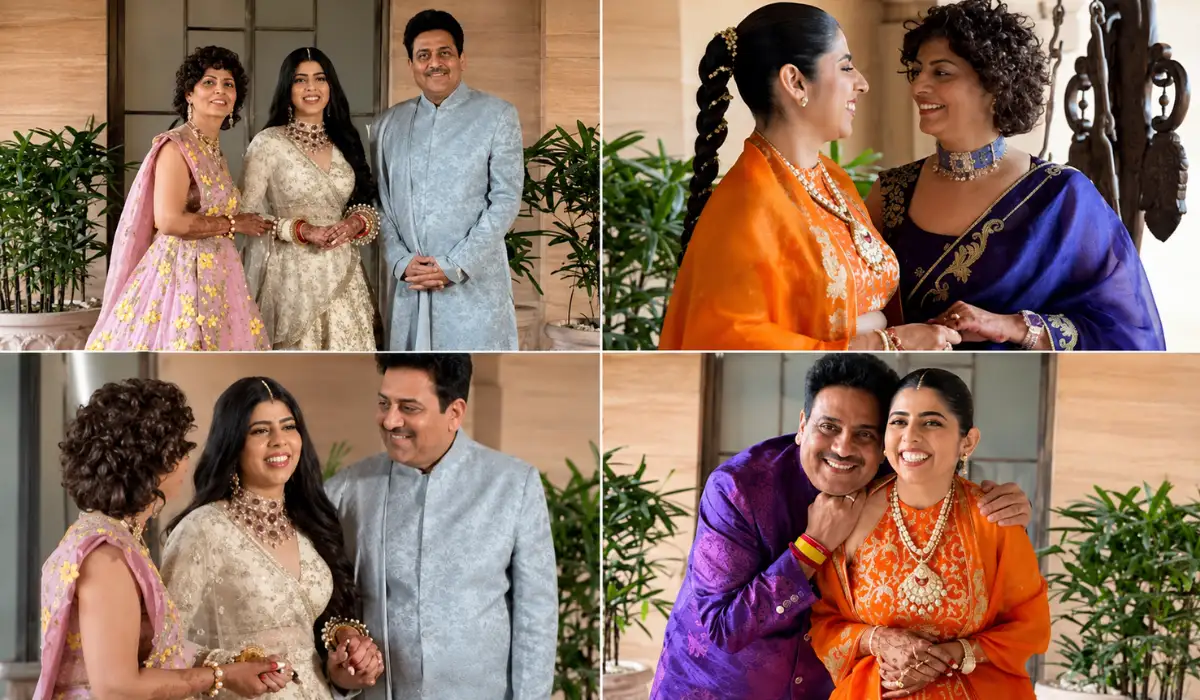
From Father's Hands: The Philosophy of Upbringing
The phrase "from father's hands" evokes a sense of protection and molding. Tarak Mehta was known for his progressive yet deeply rooted Indian values. In his writings, he frequently championed the idea of women being the true anchor of Indian society, portraying them with immense respect and agency—quite radical for Gujarati literature of his era.
It is safe to deduce, through the lens of his work, that his daughter was raised in an environment that valued education and intellectual independence over trivial societal expectations. The "hands" of Tarak Mehta did not hold her back; rather, they curated a foundation. They taught her to observe the world critically, much like he did, but without the burden of having to perform for an audience.
This upbringing is crucial because it explains her subsequent ability to step out of his massive shadow. A child raised to revere the father's work but not be subservient to it is a child equipped to build her own identity.
To the Husband's Heart: The Transition of Identity
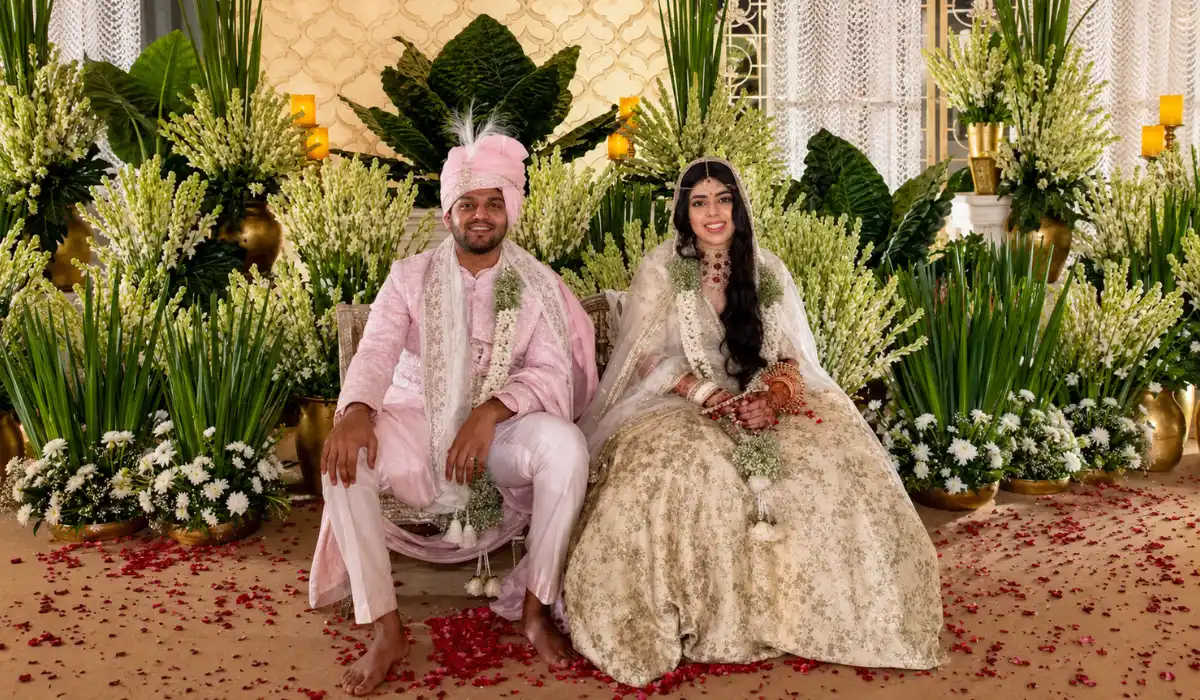
In Indian cultural paradigms, a daughter’s marriage is often viewed through the poetic, albeit traditional, lens of transitioning from the father's care to the husband's. For the daughter of a celebrity, this transition is fraught with added complexities.
When Tarak Mehta's daughter married, it was not a high-profile Bollywood-style wedding. It was a deeply traditional, intimate affair, shielded from the paparazzi. This deliberate privacy speaks volumes about the family's core values.
Moving into the "husband's heart" signifies the establishment of a new unit. For a woman with her pedigree, finding a partner who could provide a sanctuary away from the public's relentless curiosity was paramount. Her husband’s role became that of an anchor—a person who loved her not as the daughter of a famous humorist, but as an individual.
This phase of her journey highlights a critical aspect of celebrity children that the public often ignores: the desperate need for normalcy. While the nation mourned her father's passing in 2017, her marriage and her private life became her fortress. The transition was about shifting her emotional center of gravity from the man who gave her life and a public legacy, to the man who shares her daily, unseen reality.
The Reality of Inheritance: Managing a Giant's Estate
What happens next for Tarak Mehta's daughter? The answer lies in the quiet, often unglamorous world of legacy management.
There is a common misconception among the public that the family of the original writer is heavily involved in, or financially drowning in, the success of the television show TMKOC. The journalistic reality is quite different. The intellectual property rights of the original columns and the specific agreements regarding the television adaptation are complex legal territories.
Following Tarak Mehta’s death, his daughter and her brother became the legal heirs to his literary estate. Their journey now involves:
- Archival Work: Ensuring that decades of Duniya Ne Undha Chashma columns are digitized and preserved for future generations of Gujarati readers.
- Brand Protection: Ensuring that the sanctity of their father’s name is not diluted by unauthorized commercial exploitations.
- Selective Public Engagement: Choosing to step out of their privacy bubble only for significant literary honors or anniversaries related to their father's work, rather than riding the daily TRP wave of the TV show.
Public Perception vs. The Reality of Tarak Mehta's Family Dynamics
|
|
|
|
|
|
|
|
|
|
|
|
|
|
|
|
|
|
|
|
Shailesh Lodha, famous as Taarak Mehta from TMKOC, quit the show in 2022 after a fallout with producer Asit Modi.
— Sharroh (@Sharroh45) July 8, 2026
His daughter Swara got married on July 6th, but surprisingly, not a single TMKOC actor attended the wedding.
Even his close friend Dilip Joshi (Jethalal) was… pic.twitter.com/jamtvtJock
A Reflection on Modern Indian Womanhood
You might ask: Why does the quiet life of a private individual warrant a deep-dive article?
Because the journey of Tarak Mehta's daughter is a powerful counter-narrative to the modern obsession with visibility. In an era where children of even minor celebrities scramble for Instagram followers and reality TV deals, her path represents a conscious rebellion. It is a statement that one can be the custodian of a massive cultural legacy without becoming a public spectacle herself.
Her journey from her father's hands to her husband's heart is the ultimate validation of Tarak Mehta’s own writings. He wrote extensively about the strength of the Indian family unit, the quiet dignity of the common man, and the importance of character over showmanship. By living a life of quiet dignity, prioritizing her family's privacy over public attention, his daughter has become the living embodiment of his philosophy.
Forward-Looking Insight: The Future of the Mehta Legacy
As the television show Taarak Mehta Ka Ooltah Chashmah inevitably slows down after its unprecedented multi-decade run, the commercial noise surrounding the name will fade. What will remain is the literary body of work.
In the coming years, we are likely to see Tarak Mehta's daughter and her family take on a more prominent, yet strictly academic and literary, role in curating her father's archives. We may see the publication of anthologies, the establishment of literary trusts in Gujarat, and perhaps translations of his lesser-known works into English and other regional languages.
The journey will shift from protecting a living legacy to cementing a historical one. And she will do it the way she has done everything else—away from the flashing lights, guided by the intellectual rigor instilled in her by a father who saw the world through undha chashma, but ensured his own daughter looked at it with clear, unblinking eyes.
Other Articles to Read: