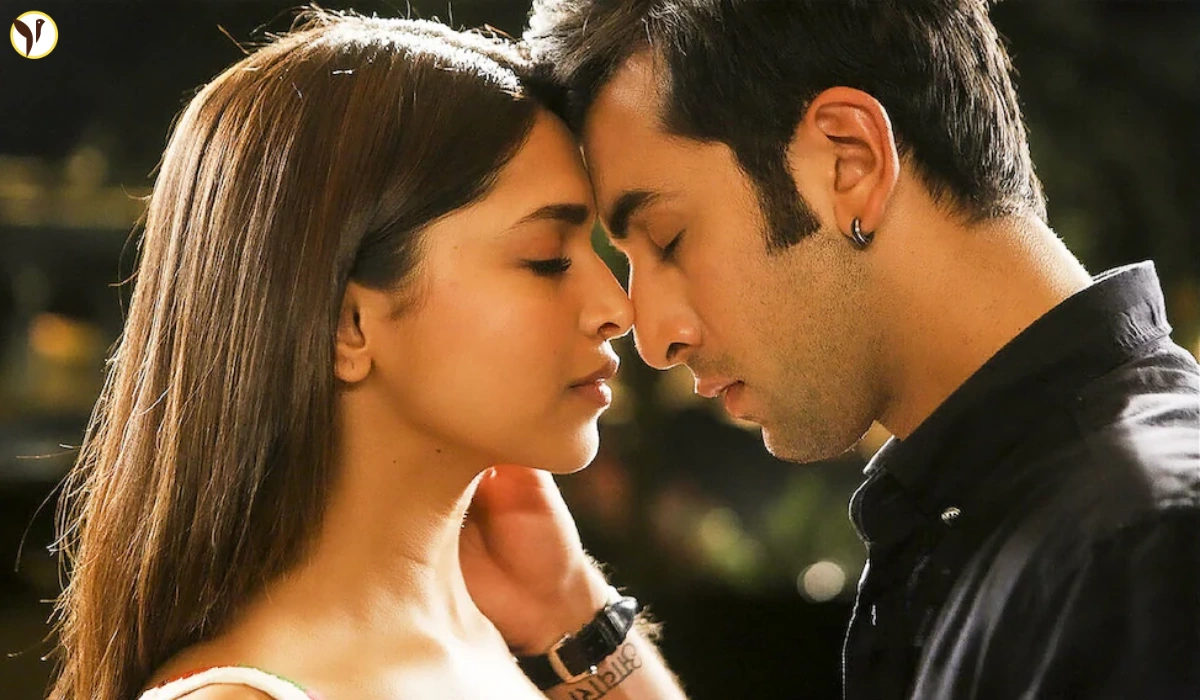


Casting two estranged real-life lovers as Bollywood's most beloved on-screen couple was either madness or genius. Twelve years later, there's no debate about which one it was.
There are bold casting decisions. And then there is Ayan Mukerji's choice to build his most personal film around two people who had broken up, messily and publicly, just four years before the cameras rolled. Ranbir Kapoor and Deepika Padukone — one of Bollywood's most talked-about real-life couples — were done with each other by 2009. By 2013, they were Bunny and Naina, and audiences were weeping at their reunion.
That transformation — from tabloid fodder to timeless cinema — is one of the most fascinating stories in modern Bollywood. And it begins with a director who trusted his instinct over conventional wisdom.
The relationship that became a headline
Ranbir Kapoor and Deepika Padukone met on the set of Bachna Ae Haseeno (2008), where their on-screen chemistry ignited an off-screen romance. They dated for roughly two years before separating in 2009 — a split that was the stuff of gossip columns for months. The reported reason: Ranbir's alleged relationship with Katrina Kaif, which began during the filming of Ajab Prem Ki Ghazab Kahani.
The fallout was raw and public. Deepika, in a rare moment of candour in later years, spoke openly about the heartbreak it caused her. Ranbir himself, in an interview on Simi Garewal's chat show, acknowledged: "It's not a happy emotion. You do feel a sense of vacuum inside. You spend so much quality time with someone, and suddenly that person is not there."
It was against this backdrop that Ayan Mukerji — a close friend of Ranbir's since their Wake Up Sid (2009) collaboration — chose to cast them together.
The gamble: casting exes who weren't speaking
Industry wisdom generally discourages putting estranged real-life couples in the same film. The risks are obvious: awkward silences on set, conflicting energies in front of the camera, or worse — an explosive fallout that derails production entirely.
"Like everyone else, we also thought a fight might break out at any time, and we were almost anticipating that if something happened, we'd witness it and have some gossip to talk about. But nothing like that happened."— Naveen Kaushik, actor who appeared in YJHD, speaking to Siddharth Kannan (January 2026)
The tension that the crew expected simply never materialised. Cast member Naveen Kaushik, who played Sumer in the film, later recalled how the entire unit was quietly bracing for conflict. Instead, what they got was two consummate professionals doing their jobs — and doing them brilliantly. Deepika Padukone, in particular, drew widespread praise from those on set. Kaushik described her as someone who "was always on time, knew her job, knew her lines, and greeted everyone with a smile. She never threw a tantrum, not even once."
Ranbir, too, later reflected on the experience with perspective. Speaking to a Dubai publication ahead of the film's release, he said: "You both have to reach the kind of understanding that what you shared was special and that you all have moved on. Once you have that, rest is easy."
Ayan's masterstroke: a road trip before the cameras
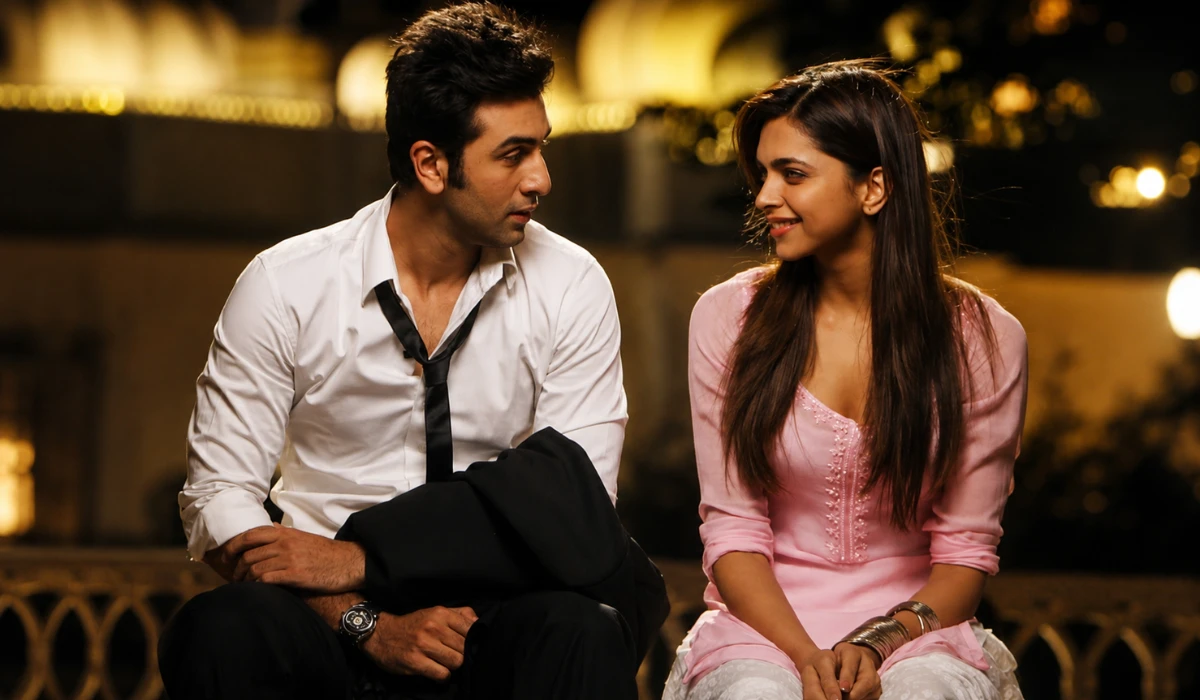
Beyond casting, Mukerji made one logistical decision that proved quietly decisive. Rather than flying the cast to their first major shoot location in Manali, he organised a road trip from Delhi — forcing the ensemble to spend hours together before a single frame was shot.
Kalki Koechlin, who played the vivacious Aditi, later explained this to ANI: since the cast members barely knew each other and rehearsal time was limited, the road trip became an informal boot camp for building the chemistry that the film so vitally needed. The trip, by all accounts, worked. The bond formed between Ranbir, Deepika, Aditya Roy Kapur, and Kalki on that journey became the engine of YJHD's emotional core.
What the film was really about — and why the casting mattered
YJHD is not, at its heart, a love story. It is a coming-of-age film about freedom, ambition, the fear of commitment, and the people we let go of before we're ready. Bunny (Ranbir) is a man running away from connection. Naina (Deepika) is a woman learning to run toward life. The tension between them is real because it maps onto something universal — not just a specific relationship.
But the casting of two people who had genuinely shared and lost something gave that tension a specific, lived-in quality that no amount of scripting can manufacture. When Naina watches Bunny choose adventure over her, it doesn't feel like movie logic. It feels like something that has actually happened to someone, somewhere — because it had.
By the numbers: a blockbuster that only grew bigger
The commercial verdict was immediate and overwhelming. Released on May 31, 2013, YJHD became the fourth highest-grossing Bollywood film of that year, delivering returns of ₹145 crore on a ₹45 crore budget — a 322% return on investment that made it one of 2013's most profitable films.
YJHD — Box Office Performance Summary
|
|
|
|
|
|
|
|
|
|
|
|
|
|
|
|
|
|
|
|
|
|
|
|
|
|
|
|
What makes those re-release numbers particularly striking is what they represent. Films that get a second theatrical run over a decade later are rare. Films that clock the second-biggest opening week for any Bollywood re-release in history — behind only Tumbbad — are something else entirely. YJHD's January 2025 return to cinemas grossed over ₹12.5 crore in its first week, bringing its all-time India net collection past the ₹200 crore mark.
The legacy: Bunny and Naina belong to everyone now
Here is the thing about genuinely great casting: eventually, the off-screen story stops mattering. Today, Ranbir Kapoor is married to Alia Bhatt; Deepika Padukone is married to Ranveer Singh. The version of them that existed in 2013 — two young people navigating the aftermath of heartbreak with professionalism and grace — produced something that outlasted both of them as a couple and as individuals in each other's orbit.
Bunny and Naina are no longer Ranbir and Deepika. They belong to everyone who watched this film at twenty-three and felt seen. Everyone who has ever been someone's Bunny, or someone's Naina — who has chosen adventure over love, or love over adventure, or who is still trying to figure out which one they're doing.
Ayan Mukerji's gamble, it turns out, was never really about the exes. It was about finding two people who understood — in their bones, not just on the page — what it feels like to want something and to let it go. And he found exactly that, in the most unexpected place possible.
That is why the gamble paid off. And that is why, twelve years later, the film still fills theatres.
Other Articles to Read:
- Hai Jawani Toh Ishq Hona Hai Trailer Out As Varun Dhawan Faces Double Pregnancy Drama
- Raveena Tandon Appeals to Bhagwant Mann Over Stray Dog Removal Drive
- Suriya’s Karuppu Crosses Rs 200 Crore Worldwide And Rewrites Tamil Box Office History
- Vashu Bhagnani Exposes David Dhawan: Paid Rs 70 Crore For Flop Coolie No. 1
- Tejasswi Prakash Reveals Why Her Mom Wanted Her To Live In With Karan Kundrra
- Who Is Rob Base's Wife? Family Revealed After Rapper Dies at 59
- Karan Kundrra Says He Is “Parenting” Tejasswi Prakash On Desi Bling