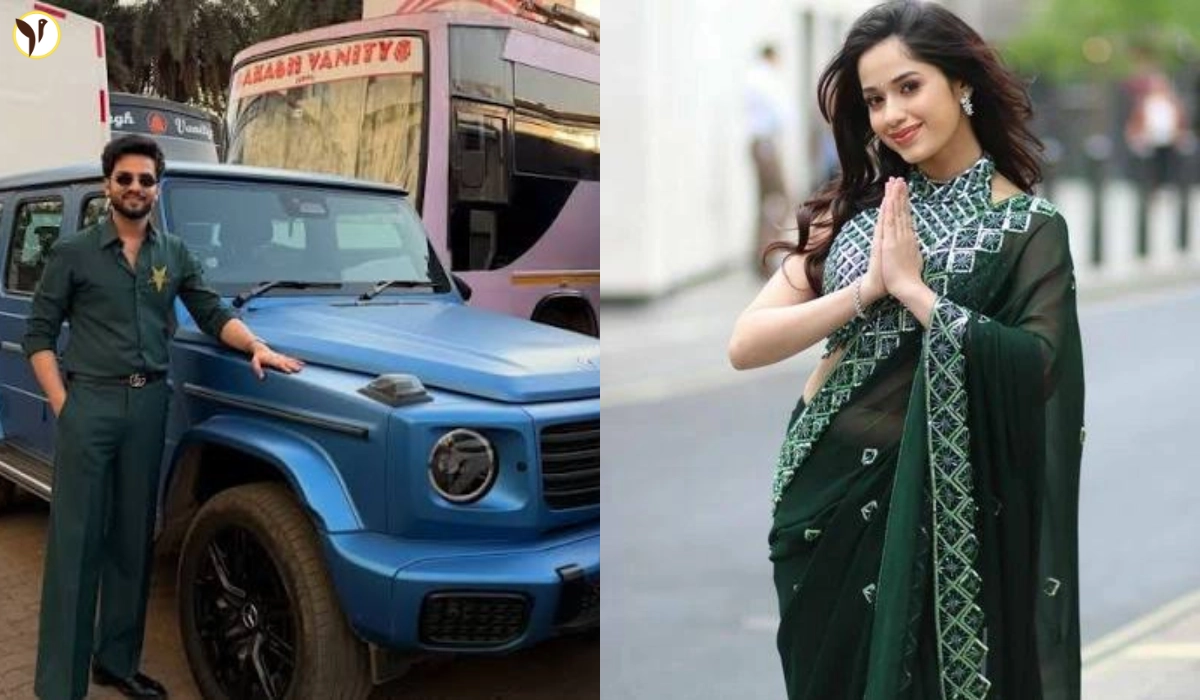


In the hyper-connected ecosystem of Indian digital entertainment, whispers of a romantic alliance can pivot a creator's entire public narrative overnight. Recently, the digital sphere was briefly set abuzz by murmurs of a potential link-up between two of the most prominent figures in the Indian content creation space: television actress and mega-influencer Jannat Zubair, and Bigg Boss OTT 2 winner Elvish Yadav.
The speculation was abruptly halted when Jannat Zubair addressed the rumors head-on, dismissing them with a notably sharp, three-word rebuke: "A little too much she."
On the surface, this is a standard celebrity rumor-mill moment. However, viewed through the lens of digital media strategy, brand equity, and the gendered dynamics of internet fame, Jannat’s response is a masterclass in boundary setting. It exposes the underlying mechanics of how rumors are manufactured, why they are weaponized, and the vastly different stakes involved for male and female creators in the Indian influencer economy.
Here is a deep dive into what actually happened, the asymmetric PR realities of both stars, and why Jannat Zubair’s dismissal was a necessary defensive maneuver rather than just a personal rebuke.
The Anatomy of the Rumor: What Actually Happened
The digital rumor mill rarely starts with a massive revelation; it usually begins with a whisper. In this case, speculative threads began appearing on platforms like X (formerly Twitter) and Reddit, with some fan accounts attempting to draw connections between the two creators.
The catalysts for such rumors are typically mundane—a mutual appearance at an event, a superficial social media interaction, or merely the algorithmic proximity of their target demographics. In this instance, the rumors lacked any substantive evidence. There were no leaked paparazzi photos, no collaborative projects announced, and no historical friendship to point to. It was, by all measurable standards, an artificial construct of overactive fan accounts and engagement-bait pages.

Two Different Digital Universes
To understand why this link-up rumor was fundamentally flawed from a business and logical standpoint, one must look at the digital footprints and brand positioning of both individuals. They operate in entirely different stratospheres of the content creation hierarchy.
Elvish Yadav rose to mainstream prominence through reality television. His brand is built on a raw, unfiltered, "street-smart" Haryanvi persona. His audience skews heavily toward young male demographics who resonate with his rebellious, often controversial public image. Recently, his PR strategy has been heavily reliant on staying in the news cycle through high-profile controversies, including his highly publicized legal issues regarding an alleged snake venom-rave party case, and various public feuds.
Jannat Zubair, conversely, represents a different trajectory entirely. She transitioned from a successful child television actress to becoming one of India’s most followed female influencers. Her brand equity is built on family-friendly content, fashion, lifestyle, and highly curated, premium brand endorsements. Her audience is broad, deeply engaged, and notably includes a massive female following that looks up to her as a fashion and lifestyle icon.
To suggest a romantic link-up between the two is to ignore the fundamental rules of digital brand alignment.
A Comparative Look at Digital Brand Positioning
The table below illustrates the stark contrast in their digital personas, explaining why a "link-up" makes zero strategic sense for either party, particularly Jannat.
|
|
|
|
|
|
|
|
|
|
|
|
|
|
|
|
|
|
|
|
|
|
|
|
|
|
|
|
|
|
|
|
Why It Matters: The Asymmetry of Internet Rumors
The most critical insight to draw from this episode is not the rumor itself, but the disproportionate risk it posed to Jannat Zubair compared to Elvish Yadav. This highlights a deeply entrenched gendered double standard in the Indian digital entertainment space.
For a male creator like Elvish, being linked to a successful, prominent female figure often carries a low-to-zero penalty. In the patriarchal framework of internet fandoms, it is frequently framed as a "conquest" or simply adds to his "swag" persona. It keeps him trending. Even if the rumor is false, the resulting engagement—likes, comments, outrage, memes—feeds the algorithm. Controversy is his currency.
For a female creator like Jannat, the math is entirely different. A romantic rumor, especially one tied to a figure embroiled in legal controversies, acts as a contaminant.
- Brand Endangerment: Jannat commands premium rates because she is a "safe" face for family-oriented brands (skincare, apparel, household goods). Associating her name with a controversial figure introduces "brand risk." Corporate PR departments are notoriously risk-averse; a whiff of controversy can lead to contracts being paused or canceled.
- Narrative Hijacking: Female creators spend years building their empires on their professional merits. A link-up rumor attempts to hijack that narrative, reducing a multi-million-dollar business entity (which is what top influencers are) to a subject of gossip.
- The "Character" Trap: In the Indian digital context, unverified rumors about women quickly escalate into character judgments. By shutting it down instantly with "a little too much she," Jannat refused to let the narrative graduate from a silly rumor to a debate about her personal life.
Therefore, her response was not an overreaction; it was a vital PR defense mechanism.
The Strategy Behind "A Little Too Much She"
From a crisis communication standpoint, Jannat’s reply was structurally perfect. When faced with baseless internet gossip, public figures generally make one of two mistakes: they either ignore it completely (allowing it to fester and become "truth" in the eyes of the public), or they issue long, paragraph-long denials (which lend credibility to the rumor and make them look defensive).
Jannat opted for the "quick kill" strategy.
By framing it as "a little too much," she positioned herself as the adult in the room, subtly calling out the immaturity of the rumor mill. It was condescending to the rumor, not aggressive toward the subject. She did not attack Elvish Yadav; she attacked the premise of the rumor. This prevents Elvish's massive, often aggressive fan base from mobilizing against her, while simultaneously drawing a hard line in the sand for her own fans. It was an exercise in assertive boundary setting without generating secondary controversy.
#JannatZubair BREAKS SILENCE on dating rumours with #ElvishYadav: 'It’s okay to love...'https://t.co/oxSKXXJ5De
— DNA (@dna) August 4, 2026
Parasocial Relationships and Fan Entitlement
This incident also serves as a microcosm of a growing issue in the creator economy: the toxicity of parasocial relationships. Fans feel an intense, one-sided connection with creators. When two creators cross paths digitally, fans often project their desires for a "power couple" onto them, disregarding the fact that these are independent business entities.
Fan pages and engagement-farming accounts deliberately manufacture these link-up rumors because they generate massive clicks. A simple speculative tweet with both names can garner millions of impressions. The creators become collateral damage in the pursuit of ad revenue by third-party gossip pages. Jannat’s refusal to play along is a rare moment of a creator refusing to be the product for gossip aggregators.
The Aftermath and Forward-Looking Insight
Going forward, this incident will likely fade from public memory quickly, precisely because Jannat gave it no oxygen to burn. However, the implications for the industry remain.
- For Jannat Zubair: Expect her to continue doubling down on her core content pillars—fashion, lifestyle, and premium collaborations. Her team will likely become even more aggressive in filtering Q&A sessions to prevent similar bait questions from gaining traction. Her brand equity remains entirely intact, arguably slightly strengthened by her display of agency.
- For Elvish Yadav: His camp has wisely remained completely silent on the matter. Engaging with Jannat’s denial would only drag the story out. Elvish’s focus remains squarely on his upcoming YouTube projects and navigating his ongoing legal battles, where public sympathy (or outrage) is his primary engagement driver.
- For the Digital Ecosystem: As the influencer economy in India matures—projected to be worth billions—we are likely to see more of these "brand protection" pushbacks. Creators are no longer just individuals with cameras; they are incorporated entities with boards, legal teams, and PR strategies. The wild west era of internet fame, where anything could be said without repercussion, is slowly giving way to a more corporatized, legally defended landscape.
The phrase "Jannat Zubair shuts down Elvish link-up" may read like standard tabloid fodder, but the underlying reality is a testament to the evolving maturity of India's digital creators. Jannat Zubair’s dismissal of the rumor was not just about protecting her personal peace; it was a calculated, necessary defense of her commercial viability.
In an industry where a misplaced word can cost millions in brand deals, her sharp, three-word retort was a reminder that while the internet may control the flow of information, creators still hold the power to dictate the boundaries of their own narratives. "A little too much" was entirely accurate—not just for the rumor, but for the entitlement of an audience that often forgets the people on their screens are running businesses, not just providing entertainment.