


The premise of Lock Upp has always relied on stripping contestants of their superficial comforts to reveal their rawest, most unfiltered selves. However, as the highly anticipated second season unfolds, the line between "raw authenticity" and "unacceptable toxicity" has been sharply drawn. In a recent, highly volatile episode, contestant Akanksha publicly called out fellow inmate Varun for what she explicitly labeled as sexist and misogynistic behavior.
While reality television thrives on conflict, this specific confrontation has transcended the usual fodder for fan wars. It has ignited a broader, much-needed conversation about the casual misogyny that is often excused as "strategy" or "banter" in high-pressure environments. Here is a detailed breakdown of what actually happened, why it matters beyond the confines of the show, and what it signals for the future of Indian reality TV.
The Incident: What Actually Happened Inside the Lock Upp?
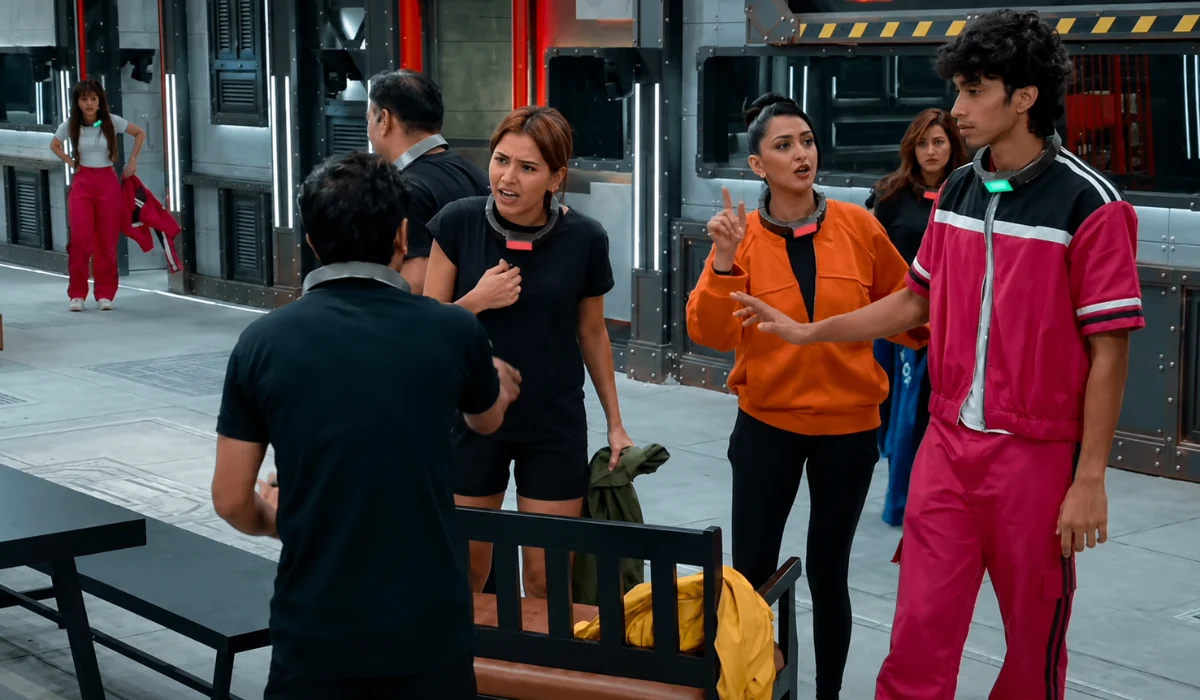
The friction between Akanksha and Varun had been simmering for days over basic jail duties and task allocations. However, the situation escalated during a heated argument when Varun resorted to dismissing Akanksha’s valid points not by countering her logic, but by attacking her demeanor, tone, and gender.
According to eyewitness accounts from the live feed and the edited episode, Varun utilized classic tone-policing—telling Akanksha she was "too aggressive" and "hysterical"—before making derogatory remarks implying that her assertiveness was unbecoming of a woman. Instead of retreating or internalizing the insult, Akanksha immediately identified the behavior for what it was.
"You cannot win an argument by calling me hysterical. That is a sexist trope, and I am not going to sit here and listen to your misogynistic nonsense," Akanksha stated, effectively shutting down the attempt to gaslight her on national television.
Decoding the "Banter": An Analysis of the Language Used
To understand why Akanksha’s call-out was necessary, one must dissect the specific language Varun used. In the context of reality TV, contestants often hide behind the shield of "I was just joking" or "It’s a high-pressure game." However, linguists and behavioral experts have long identified specific microaggressions that qualify as sexist behavior.
To provide clarity, here is an analytical breakdown of the verbal dynamics at play during this confrontation:
|
|
|
|
|
|
|
|
|
|
|
|
|
|
|
|
|
|
|
|
|
|
|
|
|
Why This Moment Matters: A Shift in Audience Tolerance
A decade ago, a male contestant speaking to a female contestant in this manner would have been edited into a dramatic "love-hate" storyline, or worse, the female contestant would be vilified as "difficult." Today, the landscape is fundamentally different.
Akanksha’s refusal to let the comment slide represents a microcosm of a larger societal shift. Viewers are no longer consuming reality TV passively. With active social media discourse and a growing understanding of mental health and gender dynamics, the audience is holding contestants—and by extension, the makers—accountable.
The "Strong Woman" Penalty in Reality TV
Historically, Indian reality shows like Bigg Boss and earlier seasons of Lock Upp have punished women who display agency. If a woman argues, she is labeled "vishwasghaati" (untrustworthy) or "negative." If a man argues with the exact same intensity, he is praised as a "mastermind" or a "strong player."
By calling out the misogyny in real-time, Akanksha disrupted this narrative loop. She refused to take on the "negative" label simply for defending her boundaries. This is a profound structural change in how female contestants are navigating these spaces.
The Kangana Factor: How Will the Host React?
One cannot discuss Lock Upp without factoring in its host, Kangana Ranaut. Known for her own fiercely unapologetic stance against what she perceives as industry sexism and nepotism, Ranaut’s reaction to this specific incident will be the ultimate litmus test for the show's integrity.
If the host sidelines Akanksha’s valid point to focus solely on the "entertainment value" of the fight, it will render the show's progressive branding hollow. Conversely, if Ranaut addresses the misogynistic language directly and reprimands Varun, it will set a powerful precedent for reality television in India. It would signal that hiding behind "game strategy" is no longer a valid defense for gendered abuse.
Akanksha vs Laila 💥
— Kitabi_kidda (@kitabi_kidda) July 30, 2026
Also Yogesh should have supported Akanksha have some spine man 🙄
Akanksha and Pam slipped Varun's mask and completely destroyed his fake image of good boy🔥🔥🔥#Akankshachoudhary #Varunyadav #lockupp2 #lockupp #yoganksha pic.twitter.com/8RuwRoyaG9
What Happens Next: The Aftermath and Strategic Implications
The immediate fallout inside the jail will likely be fascinating. Varun now faces two choices: double down on his defense, which will likely lead to public backlash and isolation within the house, or issue a performative apology, which Akanksha and the discerning audience will likely see through.
From a production standpoint, the makers of Lock Upp 2 are now tasked with a delicate balancing act. They must acknowledge the gravity of the sexist remarks without turning the season into a grim lecture.
Forward-Looking Insights:
- The End of "Boys' Club" Alliances: Expect other contestants to distance themselves from Varun, as aligning with someone publicly branded as a misogynist is now a PR liability.
- Akanksha’s Trajectory: Far from being eliminated for creating "controversy," this moment will likely cement Akanksha’s position as a strong finalist. Modern audiences vote for relatability and boundaries.
- Stricter Editing Guidelines: This incident might force the channel (ALTBalaji/JioCinema) to implement clearer disclaimers or editing choices that do not glorify microaggressions.
The Bigger Picture: Reality TV's Moral Responsibility
Lock Upp 2 is essentially a social experiment. When you lock human beings in a high-stress environment with cameras rolling 24/7, the id is exposed. While the producers cannot control what comes out of a contestant's mouth, they have absolute control over how it is presented to the audience.
Normalizing sexist behavior under the guise of "unfiltered reality" is a dangerous game. It validates the millions of viewers who consume this content that such behavior is an acceptable way to win arguments in the real world. Akanksha calling out Varun wasn't just a fight over jail duties; it was a real-time educational moment for a country still grappling with deep-seated patriarchal norms.
Conclusion
The confrontation between Akanksha and Varun in Lock Upp 2 will likely be remembered not for the volume of their voices, but for the specific words that were challenged. By identifying and naming the sexist and misogynistic undertones of Varun’s remarks, Akanksha did the heavy lifting that reality TV editors and hosts often avoid.
It remains to be seen how the game progresses, but the cultural milestone has already been achieved. The era of women silently absorbing gendered insults as part of a "reality show contract" is officially over.
Other Articles to Read: