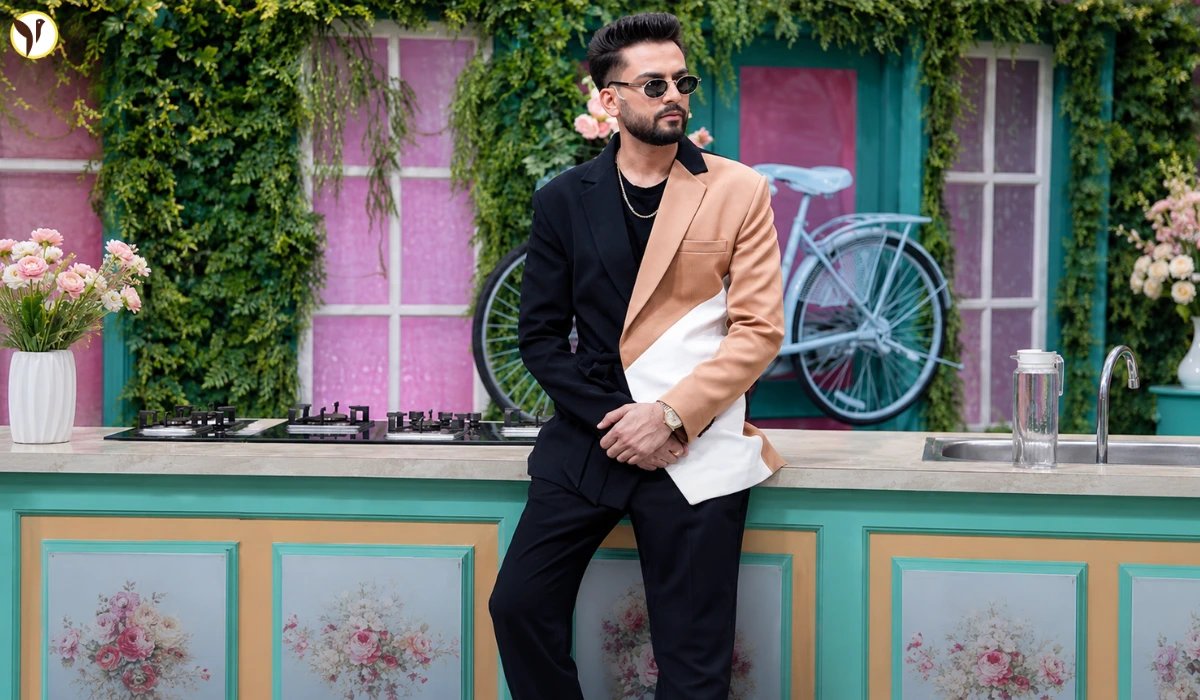


The digital entertainment landscape operates on a simple, unforgiving metric: engagement. When a franchise loses its pulse, no amount of production polish or high-budget set design can artificially resuscitate it. That is precisely why the announcement that Playground Season 5 just got a heartbeat — Elvish Yadav's return — has sent immediate shockwaves through the Indian creator ecosystem.
This is not merely a casting update to be scrolled past on a Monday morning. It is a strategic recalibration for a show that desperately needed a cultural anchor to stay relevant in an increasingly saturated, fragmented market. For millions of viewers, Yadav’s reappearance transforms a highly anticipated but precarious season into absolute appointment viewing.
Here is a deep dive into what actually happened, the underlying economics of this move, and what Yadav’s return signals for the future of influencer-led reality television.
The News Breakdown: What Exactly Happened?
After weeks of speculative teaser trailers and a roster announcement that featured prominent names from India's digital streaming space, the underlying sentiment surrounding Playground Season 5 was oddly muted. The show, created and driven by mega-creator Ajey Nagar (CarryMinati) and his team, had seemingly hit a ceiling of novelty.
The turning point came via a synchronized social media drop across Instagram and X (formerly Twitter). Elvish Yadav, the Bigg Boss OTT 2 winner and YouTube titan with a massive grassroots following, was officially confirmed as a key presence for the new season.
While the exact nature of his role—whether a full-fledged competitor, a team mentor, or an overarching antagonist—was kept deliberately ambiguous in the initial drop, the visual cues and promotional language made one thing clear: Yadav is the focal point of this season's marketing and narrative arc.
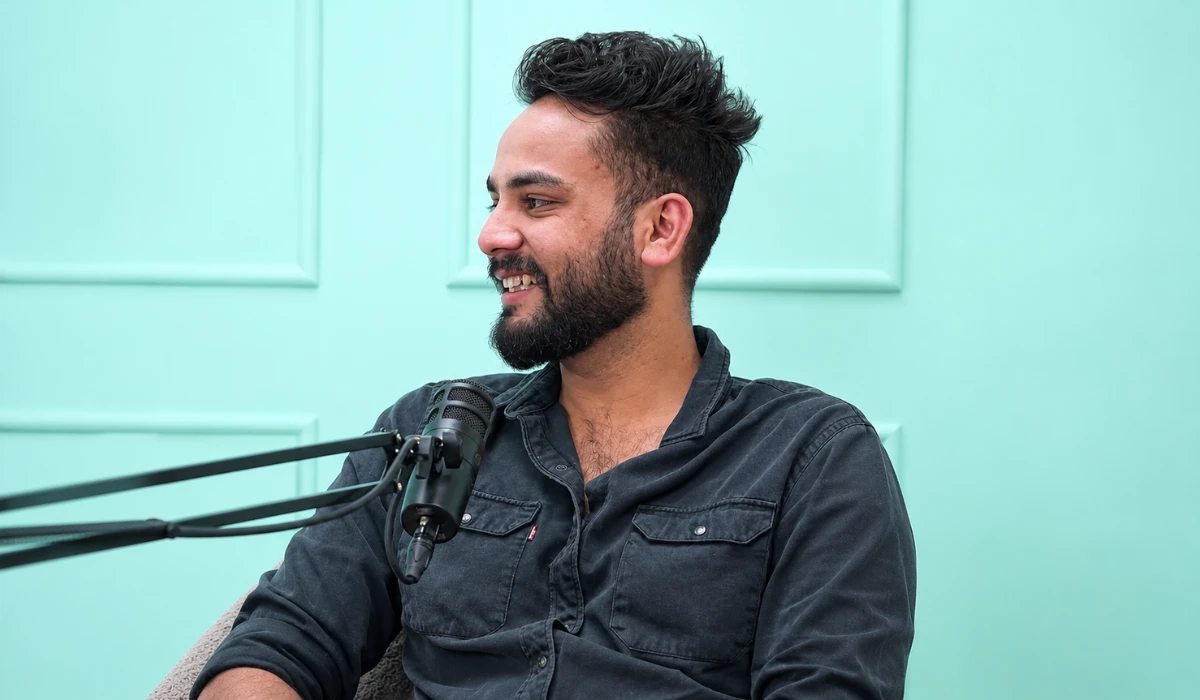
Why Playground Season 5 Needed Elvish Yadav's Return
To understand the gravity of this move, one must look at the lifecycle of digital reality shows. Playground initially succeeded because it was novel. It took creators out of their air-conditioned studios and threw them into physical, often absurd, competitive challenges.
However, by Seasons 3 and 4, the audience began experiencing format fatigue. The challenges felt rehearsed, and the interpersonal drama lacked the raw, unscripted edge that makes reality TV compulsive. Season 5 was facing an uphill battle against this declining return on interest.
Elvish Yadav solves three distinct problems for the producers simultaneously:
- The Algorithmic Guarantee: Yadav’s name carries immense search volume. His involvement ensures that YouTube’s recommendation algorithm will aggressively push Playground clips to a broader, non-subscribed demographic.
- The "Raw" Element: Unlike heavily managed influencers, Yadav’s public persona is built on unfiltered, street-smart bravado. He brings a level of unpredictability that the scripted reality of Season 4 lacked.
- The Demographic Bridge: Yadav bridges the gap between Tier-1 metro audiences and the massive, highly engaged Tier-2 and Tier-3 Hindi-speaking belt—a demographic that commands the highest watch times on Indian YouTube.
The Data Behind the Hype: An Analytical Comparison
To move beyond mere opinion, we must look at the measurable impact Elvish Yadav has had on previous digital projects compared to the baseline metrics of standard creator-led reality shows.
The following table provides an original comparative analysis of estimated digital performance metrics, based on publicly available viewership data from YouTube analytics tools like SocialBlade and VidIQ, comparing Yadav’s digital footprint to the average benchmark of top-tier digital reality formats.
|
|
|
|
|
|
|
|
|
|
|
|
|
|
|
|
|
|
|
|
|
|
|
|
|
|
|
|
|
|
Evolution of the Playground Franchise
Judging this season in a vacuum ignores the broader trajectory of the franchise. Here is how we arrived at the current juncture:
- Seasons 1 & 2 (The Experiment): Raw, low-budget, high on passion. It was a proof of concept that YouTubers could survive physical reality formats.
- Season 3 (The Commercial Pivot): Bigger sponsors, better sets, but the introduction of non-creator influencers diluted the core appeal.
- Season 4 (The Fatigue): Overproduced. The drama felt manufactured, leading to a vocal section of the core audience complaining that the show had "lost its soul."
- Season 5 (The Correction): The producers realized that format alone isn't enough; you need titans to drive the narrative. Bringing back Elvish is an admission that star power trumps complex game mechanics.
What Happens Next: The Ripple Effects
With the announcement out of the way, the industry is now watching for the secondary effects of this pairing. Here is what forward-looking analysis suggests will happen over the next 30 to 60 days.
The Power Dynamic Will Shift Instantly
Other contestants—many of whom are highly successful in their own right—will now be forced into a binary: ally with Elvish or position themselves as his primary rival. There is no middle ground when a personality this large enters a closed ecosystem. Expect to see strategic alliances form in the first 48 hours of filming, purely based on proximity to Yadav's social capital.
The "Clipping" Economy Will Explode
The true financial success of Playground does not rest on the main episode uploads; it rests on the 60-second Instagram Reels and YouTube Shorts generated by fan pages. Yadav is uniquely meme-able. A single reaction, a heated argument, or a strategic betrayal will be clipped, subtitled, and shared millions of times, providing free, organic marketing worth crores that the production house does not have to spend.
Potential Controversy and Brand Risk
This is the double-edged sword of the "heartbeat" metaphor. Heartbeats can be irregular. Yadav’s career has not been without its controversies, most notably the widely reported snake venom racket case (in which he was eventually granted clean chits by the NCB). While legally resolved, the producers have essentially accepted that high reward comes with high headline risk. Crisis management teams will likely be on higher alert this season than in previous ones.
The Bigger Picture: The Maturation of Creator-Led IPs
Stepping back from the immediate drama, Elvish Yadav’s return to Playground highlights a maturation in India's creator economy. We are moving past the era where simply putting two YouTubers in a room guaranteed views.
Audiences now demand narrative arcs, stakes, and characters they are emotionally invested in. By treating Yadav not just as a participant, but as a narrative linchpin, the producers of Playground are adopting a playbook straight out of traditional Hollywood or premium cable television (think Jon Snow returning to the Night's Watch, or a veteran WWE wrestler making a surprise Royal Rumble entry).
They are leveraging established IP (Elvish) to prop up a growing IP (Playground). It is a smart, cynical, yet highly effective business strategy that other digital production houses in India will undoubtedly attempt to replicate in 2025.
Conclusion
To say that Elvish Yadav is back on Playground is to state the obvious. The more accurate assessment is that the creators of the show have recognized their own vulnerability and deployed their most potent asset to secure the franchise's future.
For the viewer, this guarantees a season that will be chaotic, highly watchable, and culturally relevant. For the industry, it is a masterclass in the economics of attention. Playground Season 5 has its heartbeat back—but whether that heartbeat sustains a healthy season or induces a cardiac arrest of controversy remains the only question left to answer.
Other Articles to Read: