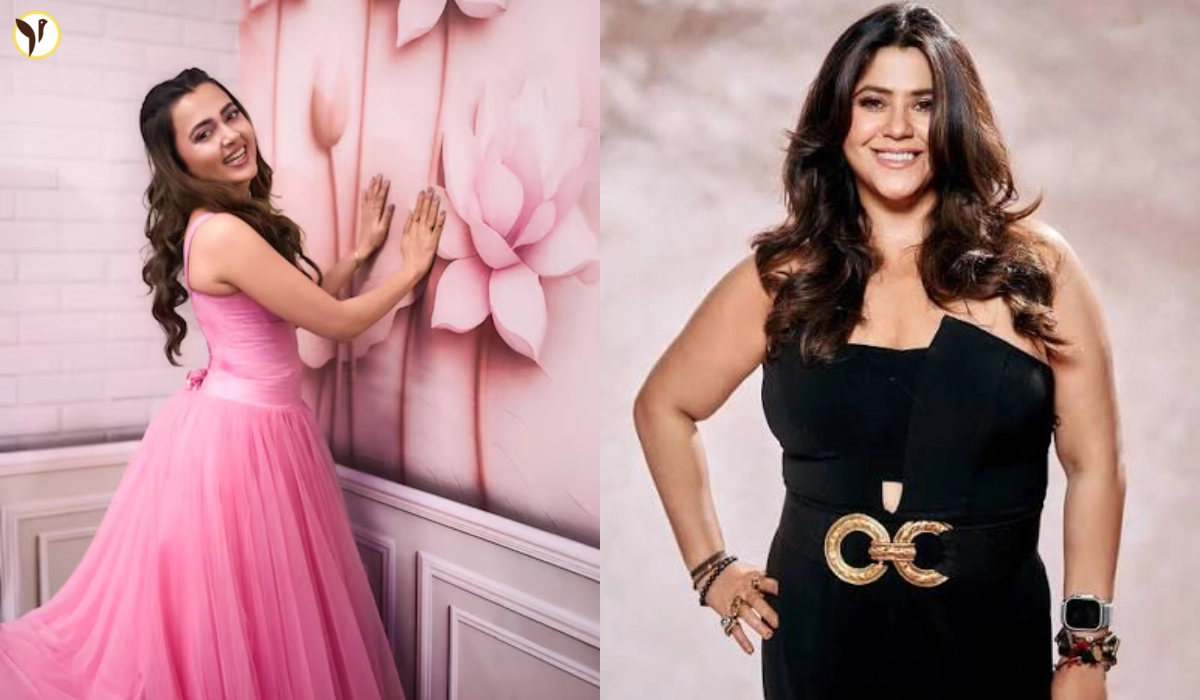


From a mid-pregnancy car accident to losing over a litre of blood on the operating table — Bigg Boss 14 winner Rubina Dilaik's journey to motherhood was a battle most fans never fully knew about.
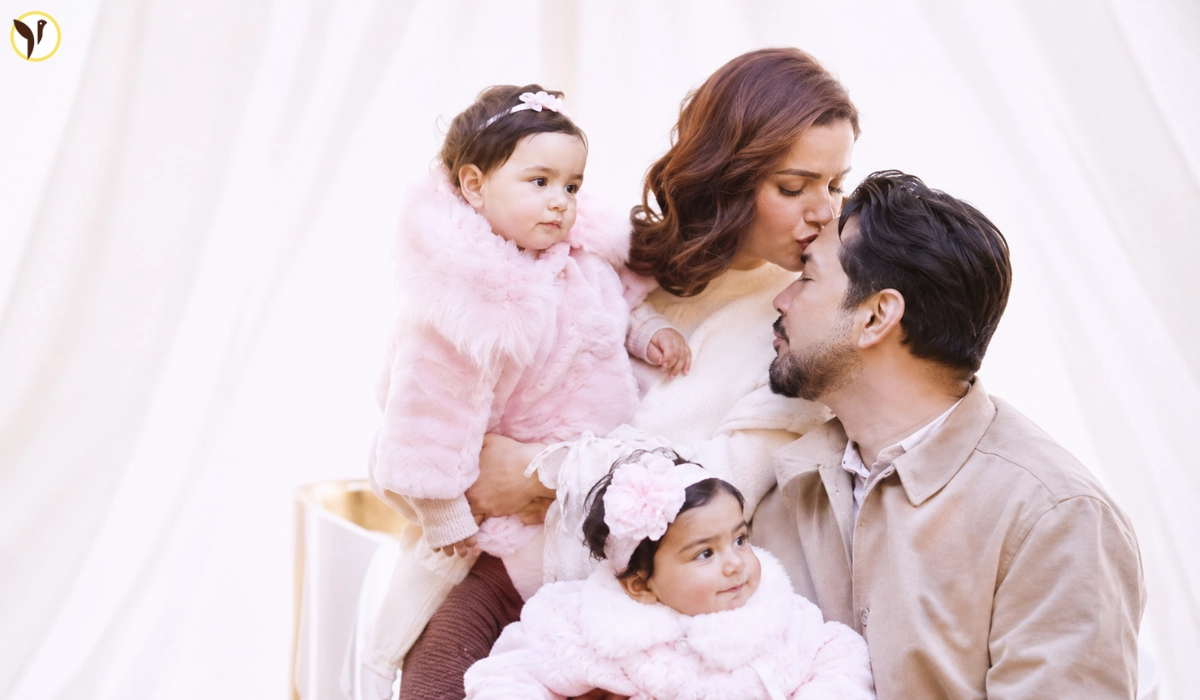
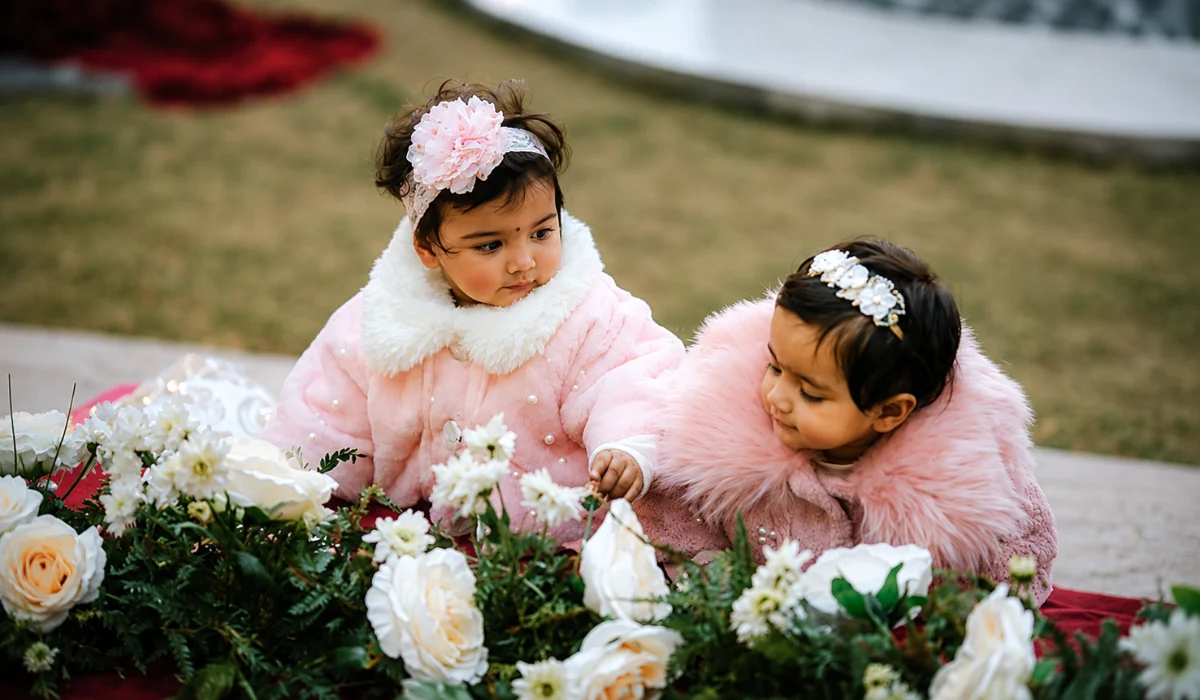
When television actress Rubina Dilaik stood smiling in her Instagram posts announcing the arrival of daughters Jeeva and Edhaa, most fans saw the joy. What they didn't see was the fear that preceded it — the anxious scans, a car accident that could have ended everything, and a delivery room where Rubina bled through layers of surgery, barely holding on to two new lives at once.
The Pregnancy That Began With Two Years of Trying
Before celebrating the twins' arrival, there was a quieter, harder chapter. Rubina and husband Abhinav Shukla had been trying to conceive naturally for nearly two years. They were, by her own account, on the verge of taking a pause from the process when the pregnancy was confirmed — and it turned out to be twins.
The revelation didn't land as pure celebration. In a conversation with comedian Bharti Singh and Haarsh Limbachiyaa, Rubina admitted that when she and Abhinav found out they were expecting twins, they sat in stunned silence for two hours — mentally calculating the logistics of two nannies, two feeding schedules, a cook, and the reality of still wanting to maintain their careers.
"When we came to know we were having twins, Abhinav and I didn't talk to each other for 2 hours. We started calculating how things would happen."— Rubina Dilaik, in conversation with Bharti Singh and Haarsh Limbachiyaa
A Car Accident, Preterm Fear, and a Body Under Siege
The pregnancy itself was far from smooth. In her YouTube podcast Kisine Bataya Nahi — a platform she created specifically to address topics no one tells expecting mothers — Rubina described the compounding anxieties of carrying two lives inside her.
Around the fourth and fifth months, she began experiencing significant back problems as the babies grew and her body struggled to keep pace. Her energy dropped sharply, her body temperature ran unusually high, and she was regularly soaking her feet in ice-cold water to cope.
Then came a moment that could have turned catastrophic. While returning from a scan appointment, a truck rammed into her car, sending her into the seat in front of her on impact.
"I was petrified — not for myself, but for these two lives growing inside of me."— Rubina Dilaik, on her mid-pregnancy car accident
She underwent an emergency scan immediately after the accident to check whether the babies were safe. Thankfully, both were. But the incident added to an already heavy mental load — the constant undercurrent of worry that she could lose one or both babies.
The fear she carried most persistently, however, was premature delivery. Twin pregnancies carry a statistically higher risk of preterm birth, and Rubina was aware of what that could mean medically.
Why Twin Pregnancies Carry Higher Risk
According to obstetric guidelines, twin pregnancies are classified as high-risk due to a significantly elevated chance of preterm labour (before 37 weeks), low birth weight, and underdeveloped organ systems in newborns. Mothers carrying multiples are also at greater risk for gestational hypertension, anaemia, and complications during delivery. C-sections are common in twin births, particularly when babies are in non-optimal positions or when maternal health indicators suggest surgical intervention is safer.
7 Layers Are Cut Deep" — The C-Section Nobody Told Her About
When the moment of delivery arrived, Rubina underwent a caesarean section. What she described in her viral video has since been shared widely — and for good reason. It dismantles one of the most persistent myths in maternal health: that a C-section is somehow easier, less painful, or less serious than a vaginal delivery.
"Seven layers are cut deep and then the child comes out. It only takes 10 minutes to take the child out and 45 minutes to stitch you back. You almost lose 1 to 1.5 litres of blood."— Rubina Dilaik, in a viral video, May 2026
The specificity of her account — layers of tissue, time on the table, blood loss — is exactly what makes it valuable. For a generation of women who have been culturally conditioned to dismiss C-sections as "not real labour," Rubina's account reframes the entire conversation.
C-Section vs. Vaginal Delivery: Key Medical Comparisons
|
|
|
|
|
|
|
|
|
|
|
|
|
|
|
|
|
|
|
|
|
|
|
|
|
|
|
|
|
|
|
|
After Delivery: A Breakdown Nobody Prepared Her For
Delivery was not the end of Rubina's ordeal — in some ways, it was the beginning of a new chapter of struggle. In a later episode of Kisine Bataya Nahi, she opened up about experiencing a complete emotional breakdown in the weeks following the birth.
One night, after a major breakdown, she lashed out at one of her newborns during a feed. She immediately recognised it as a sign that something was deeply wrong — not with the babies, but with her own mental state. Shortly after, she began professional counselling.
Postpartum depression and postpartum anxiety — while clinically well-documented — remain deeply stigmatised in Indian households, particularly for women who are expected to perform their maternal role with visible grace. Rubina's decision to name her experience, seek help, and discuss it publicly carries meaningful weight.
Her husband Abhinav Shukla also played a quiet but crucial role in her recovery. During one particularly difficult stretch, he proposed a simple but radical solution: he would take one baby to sleep separately, Rubina's mother would take the other, and Rubina would sleep alone in a room by herself — just to recover some sense of self.
Timeline: Rubina Dilaik's Twin Pregnancy and Motherhood Journey
- 2021 – 2023
Rubina and Abhinav try to conceive naturally for nearly two years; consider taking a break before the pregnancy is confirmed.
- September 2023
The couple officially announces the pregnancy on Instagram: "Welcoming the little traveller soon!" No mention of twins initially.
- November 2023 (Months 4–5)
Rubina is involved in a car accident when a truck rams into her vehicle. She undergoes an emergency scan immediately to check on the babies. Both are safe.
- November 27, 2023
Rubina delivers twin daughters Jeeva and Edhaa via C-section, losing approximately 1 to 1.5 litres of blood during the procedure.
- Late 2023 – Early 2024
Rubina experiences postpartum breakdown, lashes out at an infant during a feed, recognises the signs, and begins counselling with Abhinav's support.
- 2024 – 2025
Rubina continues her podcast, sharing candid motherhood stories. Advocates against unfair skin-tone comparisons between her daughters in public.
- May 2026
A video of Rubina describing C-section realities goes viral. She joins Khatron Ke Khiladi 15, calling leaving her twins her "biggest fear."
Addressing misconceptions around C-sections being an 'easy' alternative to natural delivery, #RubinaDilaik highlighted the pain, recovery, and emotional toll involved.
— THE WEEK (@TheWeekLive) May 12, 2026
(Rubina Dilaik, Bigg Boss, Khatron Ke Khiladi 15, C- section, pregnancy)https://t.co/tXgEvThEDG
What Rubina's Story Means — Beyond the Headlines
There is a particular kind of visibility that comes with celebrity narratives of motherhood. At their worst, they become curated displays of glowing skin and aesthetic nurseries. At their best — and Rubina's account falls squarely into this category — they become acts of public education.
Twin pregnancies in India, as elsewhere, carry risks that are not always explained clearly to expecting mothers at the time of their diagnosis. The fear of preterm delivery, the logistics of a high-risk C-section, and the very real probability of postpartum mental health challenges are conversations that happen too rarely outside clinical settings.
Rubina's willingness to say: "The doctor had initially scared us so much" — and to keep talking about it publicly through her podcast — fills a gap that mainstream media rarely does.
What Comes Next: Khatron Ke Khiladi and a New Chapter
As of May 2026, Rubina is preparing to fly to Cape Town, South Africa for her second stint on Khatron Ke Khiladi 15: Darr Ka Naya Daur — the stunt-based reality show hosted by Rohit Shetty. This will be her second appearance on the show, her first having aired four years earlier.
In her own words, leaving Jeeva and Edhaa behind is now her singular fear — not the physical stunts, not the competition. She spoke of daughters waiting up past their 9 pm bedtime just to see her when she returned from shoots at 10:30 pm. Of running on insufficient sleep and finding a maternal reservoir of energy that she hadn't known she had.
"God gives that strength to those who already have that strength instilled," she told DNA India recently.
And for a woman who survived a car accident mid-pregnancy, blood loss on the operating table, a postpartum breakdown, and the relentless labour of raising two infants simultaneously — that's not just a quote. It's a documented fact.
Other Articles to Read: