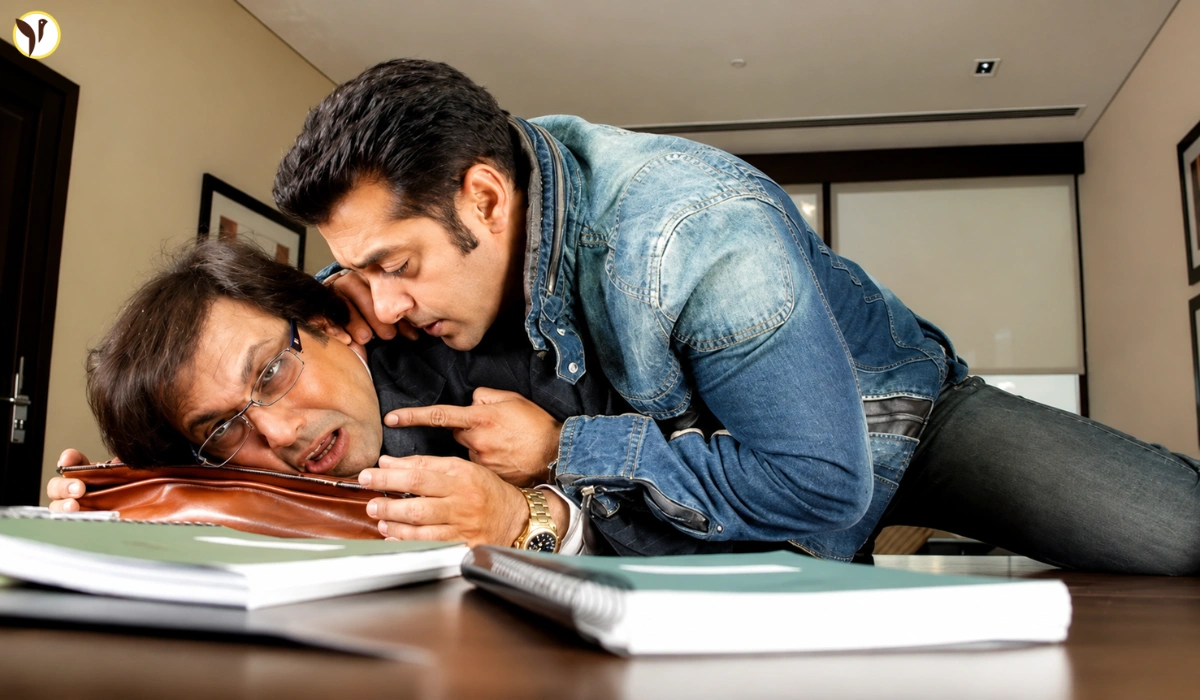



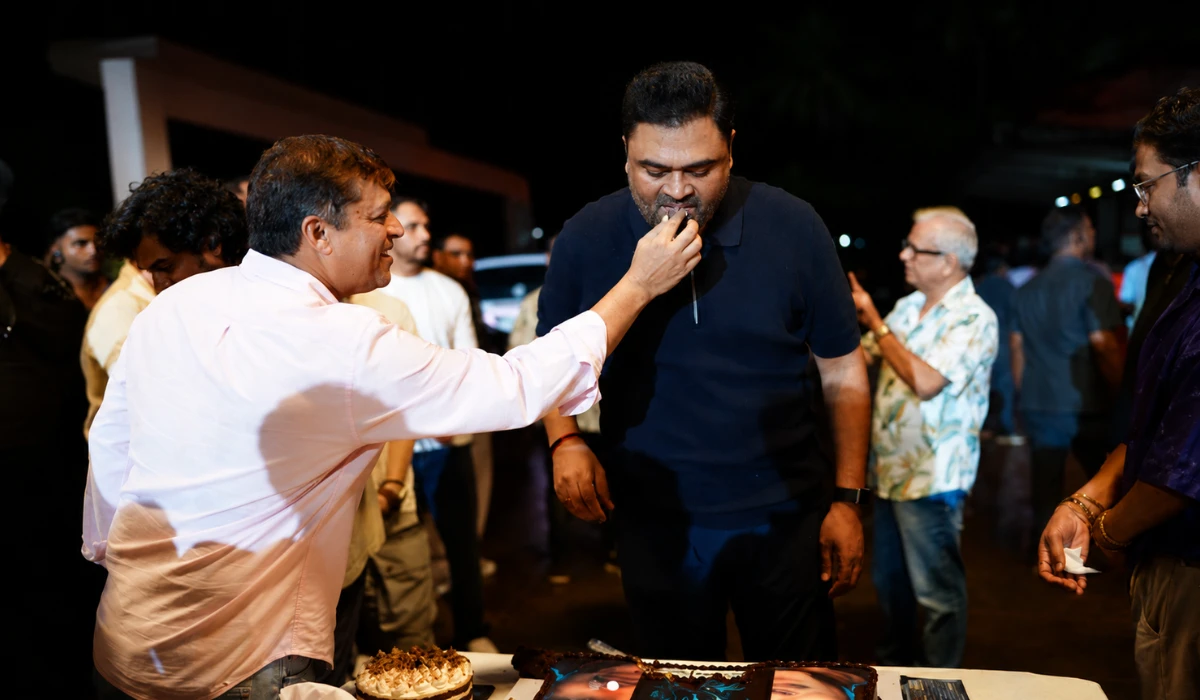
In the tightly knit ecosystem of Indian cinema, a single photograph can alter the trajectory of million-dollar projects. Recently, the internet captured a seemingly straightforward gesture: Salman Khan hugs Vamshi Paidipally at a high-profile industry gathering. Within hours, this moment transcended casual celebrity interaction, becoming the epicenter of intense speculation regarding SVC63—the upcoming, highly guarded venture from the powerhouse banner Sri Venkateswara Creations (SVC).
But beneath the surface-level excitement and viral hashtags lies a complex web of strategic business decisions, shifting box office dynamics, and the evolving architecture of Pan-Indian storytelling. This is not merely a story about two individuals greeting each other; it is a lens into how top-tier Bollywood stars are recalibrating their careers in the post-pandemic theatrical landscape.
Here is a deep dive into what this meeting means, the anatomy of the SVC63 project, and why this potential collaboration is a bellwether for the future of cross-industry filmmaking.
The Anatomy of the Meeting: Beyond the Photo Op
To understand the weight of the hug, one must understand the timing. Vamshi Paidipally, riding high on the commercial success of Maharshi and the multi-lingual Varisu, has been meticulously developing his next script. SVC63, backed by the prolific producer Dil Raju, is positioned as a massive scale endeavor designed to cater to a nationwide audience.
When Salman Khan and Vamshi Paidipally were seen engaging in an extended, warm conversation—culminating in the now-famous hug—it signaled a departure from standard courtesy. In film industry circles, this level of public warmth between a top-tier Bollywood star and a prominent Tollywood director usually indicates that formal boundaries have already been crossed in private. It suggests that discussions have moved past the "pitching" phase and into the realm of mutual agreement or advanced negotiation.
Decoding SVC63: The Scale of Ambition
SVC63 is not just another film; it is a critical milestone for Dil Raju’s banner. Sri Venkateswara Creations has been strategically expanding its footprint beyond the traditional Telugu-speaking markets.
To comprehend the stakes, we must look at the banner's recent trajectory and the scale at which they are currently operating.
|
|
|
|
|
|
|
|
|
|
|
|
|
|
|
|
|
|
|
|
|
|
|
|
|
|
|
|
|
|
|
|
|
|
|
Why Vamshi Paidipally is the Right Fit for Salman Khan
The speculation surrounding Salman Khan and Vamshi Paidipally is not born out of thin air; it is rooted in directorial compatibility.
Salman Khan’s recent box office trajectory has shown an interesting trend: while his hardcore fan base ensures massive opening weekends, sustaining momentum requires a strong emotional core. Vamshi Paidipally’s filmography is defined by exactly this—high-concept mass entertainers anchored in family dynamics, emotional resonance, and elevating the protagonist's "heroism" through grounded stakes rather than pure fantasy.
- The Maharshi Template: Paidipally proved with Maharshi that he can balance a star's larger-than-life persona with a socially relevant message without compromising commercial elements.
- The Varisu Accessibility: Despite mixed critical reviews in Tamil, Varisu performed exceptionally well in Telugu and secured decent satellite numbers, proving Paidipally knows how to cater to family audiences—a demographic crucial for Salman Khan’s films like Bajrangi Bhaijaan and Kisi Ka Bhai Kisi Ki Jaan.
If SVC63 materializes, expect it to be an action-drama that leverages Salman’s physical presence but roots his character in a relatable, emotional conflict, a departure from the recent, somewhat disjointed CGI-heavy spectacles.
The Strategic Pivot: Why Salman Khan Needs South India’s Blueprint
To fully grasp why the excitement around this potential pairing is burning so bright, one must look at the economics of Salman Khan’s recent theatrical runs. The Bollywood landscape has undergone a seismic shift. The audience is no longer rewarding mere star power; they demand high-concept, visually grand, and tightly edited narratives—the very traits that have become the hallmark of South Indian cinema.
|
|
|
|
|
|
|
|
|
|
|
|
|
|
|
|
|
|
|
|
|
|
|
|
By collaborating with Vamshi Paidipally and Dil Raju for SVC63, Salman is not just doing a film; he is absorbing the production discipline, writing rigor, and promotional machinery that currently dictates the Indian box office. It is a defensive and offensive strategy rolled into one—protecting his core audience while aggressively pursuing the wider Pan-India market.
What Happens Next: The Road to the Official Announcement
While the hug has set the internet ablaze, the practicalities of mounting a project of SVC63's scale require meticulous navigation. Here is what industry insiders expect to unfold over the next quarter:
- Script Locking: Vamshi Paidipally is known to be a meticulous writer (often co-writing with Hari Solomon and others). The script cannot be a standard Telugu template translated to Hindi; it must be conceived as a bilingual from the ground up to satisfy Salman's core demographic.
- Date Coordination: Salman Khan has a packed schedule, including commitments to Tiger vs Pathaan and other cameo/appearance obligations. SVC63 will likely be slotted for a late 2025 or early 2026 release, meaning principal photography would need to commence by mid-2024.
- The Financial Structure: Pan-India films of this scale operate on co-production models or advance distribution buyouts. It remains to be seen if Salman Khan will come on board as a salaried actor or if his production house (Salman Khan Films) will partner with SVC to share the risk and reward.
The Bigger Picture: The End of Regional Silos
The narrative surrounding Salman Khan hugging Vamshi Paidipally should not be dismissed as mere gossip. It is a tangible manifestation of a tectonic shift in Indian cinema. The silos between Bollywood, Tollywood, Kollywood, and Sandalwood are rapidly dissolving.
We are moving into an era where a director from Hyderabad can seamlessly helm a project starring a superstar from Mumbai, bankrolled by Chennai and Hyderabad-based producers, designed to resonate with a viewer in Indore as much as a viewer in Visakhapatnam.
If SVC63 officially materializes with this trio—Dil Raju’s financial muscle, Vamshi Paidipally’s emotional-action sensibility, and Salman Khan’s unparalleled mass appeal—it will not just be a movie; it will be a case study in the modern economics of Indian filmmaking.
Until the official press release drops, the industry will continue to read into every handshake and photograph. But one thing is certain: the excitement burning around SVC63 is entirely justified, not because of what we know, but because of the immense potential of what this collaboration represents.
Other Articles to Read: