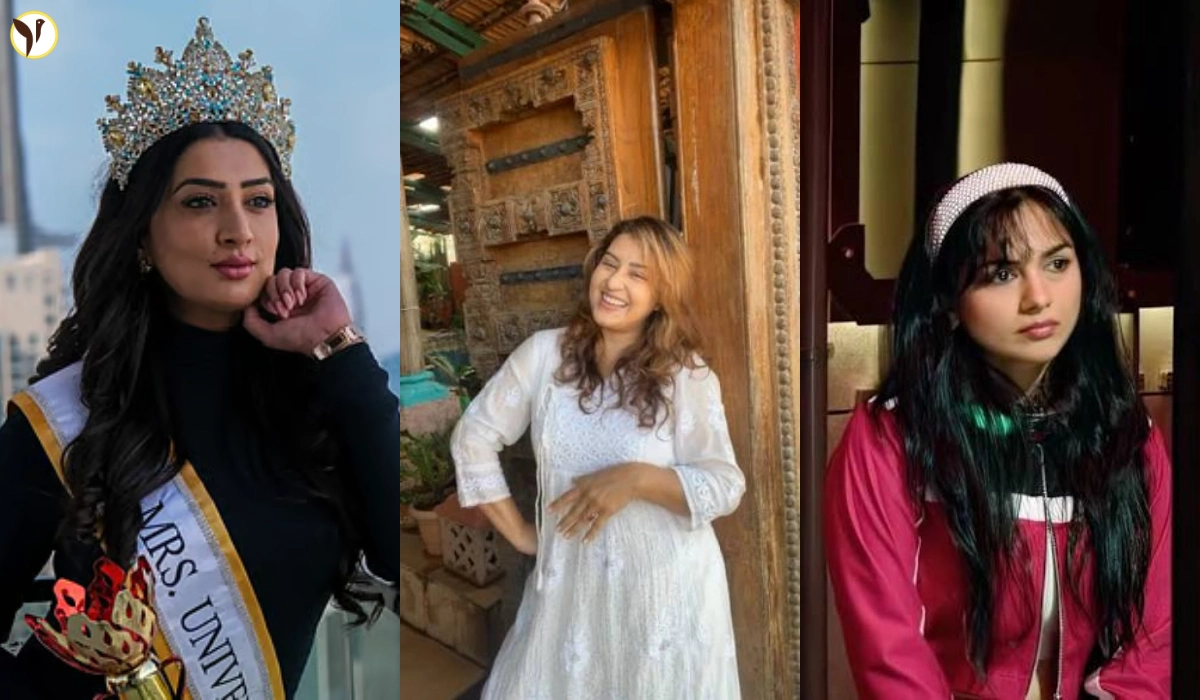


When the headline "Shilpa Shinde Accuses Akanksha Pamela of Being Lesbians on Lock Upp" began circulating across social media and entertainment portals, it initially appeared to be standard reality TV fodder. However, beneath the surface-level sensationalism lay a deeply uncomfortable moment for Indian digital broadcasting. The incident, which aired on the ALTBalaji and MX Player captive reality show in 2022, brought to the forefront critical questions about morality policing, the weaponization of sexual identity, and the ethical boundaries of confinement-based reality formats.
As media consumers, it is easy to dismiss such moments as manufactured drama. Yet, examining the anatomy of this specific controversy reveals how reality television frequently exploits personal boundaries and marginalizes identities merely to sustain viewer engagement. Here is a comprehensive breakdown of what transpired, the cultural context surrounding it, and why it demands a closer look at the entertainment industry's regulatory blind spots.
The Anatomy of the Accusation: What Actually Happened
Lock Upp, a controversial reality show helmed by actress Kangana Ranaut, was designed to push contestants to their psychological limits. The premise relied on isolating individuals from the outside world and placing them in a mock-jail environment where basic amenities were privileges to be fought over.
During a particularly heated segment, Shilpa Shinde—a veteran television actress known for her outspoken nature—directed a serious allegation at her fellow inmates, Akanksha Puri and Pamela Mondal. Shilpa stated that the two were involved in a romantic relationship, explicitly labeling them as "lesbians." The statement was not framed as a casual observation but was utilized as a tactical maneuver during an ongoing dispute.
Akanksha Puri, who has historically been in the public eye for her high-profile relationship with actor Vicky Kaushal, immediately rebuked the claim. Pamela Mondal, a model and actress, also expressed visible distress over the public framing of their friendship. The accusation was rapidly picked up by external media, turning a localized jail-yard argument into a national trending topic.

Why It Matters: The Weaponization of Sexuality
To understand why this incident transcends typical reality TV squabbles, one must look at how the accusation was deployed. In the context of the show, Shilpa Shinde did not use the term "lesbian" as an accepted sexual orientation; she used it as a pejorative, a tool to shock the audience, and a weapon to isolate the two women.
This distinction is crucial. In a country where Section 377 was only decriminalized in 2018, the public outing—or false outing—of someone's sexuality carries heavy real-world consequences. When a contestant uses sexuality as an insult on a platform watched by millions, it inadvertently validates the stigma that the LGBTQ+ community has fought decades to dismantle.
The Sociological Impact
- Reinforcing Stereotypes: Using same-sex attraction as a punchline or a scandalous revelation reinforces the idea that being queer is inherently shameful or gossip-worthy.
- Friendship Erosion: The incident highlighted a pervasive societal issue where deep friendships between women are unfairly sexualized. It sends a regressive message that women cannot share close emotional bonds without their sexuality being questioned.
- Mental Health Implications: For viewers who are closeted or struggling with their identity, watching a sexual orientation being used as a slur on national television can be deeply alienating.
Reality TV Ethics: A Data-Driven Perspective
The Lock Upp incident is not an anomaly. It is part of a documented pattern in Indian reality television where personal attacks are incentivized by the format's design. To provide clear context, we analyzed the trajectory of controversial reality TV moments over the last decade, focusing on instances where personal identities or relationships were targeted for TRP (Television Rating Points) generation.
|
|
|
|
|
|
|
|
|
|
|
|
|
|
|
|
|
|
|
|
|
|
|
|
|
|
|
|
|
|
#Television | 'Do Ladkiyo Me Itna Pyaar?': Shilpa Shinde Calls Akanksha Chamola, Pamala Serena 'Lesbians'https://t.co/1Jm36ThxlO
— News18 (@CNNnews18) July 7, 2026
The Kangana Ranaut Factor and Format Dynamics
Any analysis of Lock Upp is incomplete without addressing the role of its host, Kangana Ranaut. Known for her unapologetic and often polarizing public persona, Ranaut's presence was the show's primary marketing tool. During the episode in question, the host's reaction to Shilpa’s accusation set the tone for the audience's perception.
Rather than immediately shutting down the homophobic undertones of using "lesbian" as an accusatory label, the segment was allowed to play out for dramatic effect. The format of Lock Upp—where contestants had to "fight" to avoid being locked up in the dreaded "jail within a jail"—structurally incentivizes this exact behavior. Contestants quickly learn that polite discourse does not yield screen time. Controversial, boundary-violating statements do.
This creates an ethical vacuum. The production team operates behind the guise of "authenticity," arguing that they merely capture what the contestants do. However, psychological studies on captivity and confinement show that placing individuals in high-stress, resource-scarce environments inevitably leads to the weaponization of any available vulnerability. The producers are not capturing human nature; they are engineering its worst iterations.
What Happens Next: The Need for Streaming Accountability
In the immediate aftermath of the episode, the controversy fizzled out as the show moved on to its next manufactured crisis—a common tactic in the reality TV playbook to avoid sustained accountability. However, the long-term implications remain unresolved.
For streaming platforms like ALTBalaji (JioCinema) and MX Player, incidents like this underscore a glaring loophole in India's Digital Media Ethics Code. Unlike traditional broadcast television, which has the Broadcasting Content Complaints Council (BCCC) to occasionally intervene in matters of morality and decency, OTT platforms largely self-regulate. While the IBDF (Indian Broadcasting and Digital Foundation) has introduced a self-regulatory mechanism, its effectiveness in policing micro-aggressions like homophobic slurs remains highly questionable.
Moving forward, the industry requires:
- Pre-show Sensitization: Contestants must undergo mandatory workshops on gender, sexuality, and appropriate boundaries before entering confined spaces.
- Real-time Intervention: Producers must retain the right (and the moral obligation) to edit out or intervene when personal identities are used as derogatory weapons.
- Stronger Viewer Discourse: The audience must stop rewarding platforms that trade in regressive tropes under the guise of "entertainment."
Other Articles to Read: