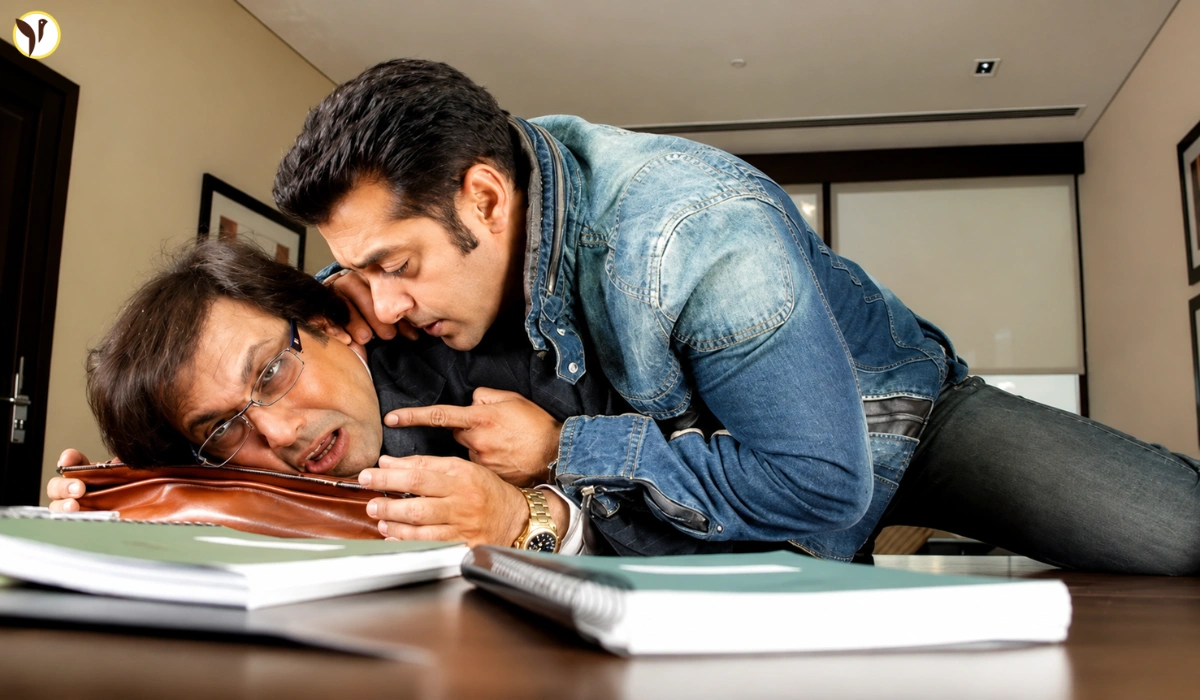



Ageism in the Indian entertainment industry has long been an open secret, but the conversation around it has recently shifted from hushed whispers to pointed public discourse. The latest entry into this critical dialogue comes from actor Shilpa Shinde, who recently made a striking assertion regarding her former Bigg Boss host, Salman Khan. According to Shinde, if any instance of age-shaming were to occur in front of the Bollywood superstar, he would unequivocally take a stand against it.
For a reader navigating the often-confusing landscape of celebrity statements, this comment requires unpacking. It is not merely a compliment paid to a powerful colleague; it is a revealing lens through which to examine the culture of reality television, the specific burden placed on show hosts, and the evolving standards of public discourse in India. Here is a deep dive into why Shilpa Shinde’s statement matters, the reality of ageism behind the scenes, and what this means for the future of Indian prime-time television.
The Context Behind the Comment
Shilpa Shinde is no stranger to the mechanics of reality television. Having won Bigg Boss 11 in 2018, she experienced firsthand the high-pressure environment of the show, where contestants are often pushed to their psychological limits. Her recent comment about Salman Khan stems from a broader discussion on how older women in the industry are frequently subjected to derogatory remarks about their age, either subtly through casting choices or overtly through dialogue and gossip.
When Shinde stated that Salman Khan would intervene in cases of age-shaming, she was drawing a line between standard industry toxicity and the specific moral boundaries maintained on the sets she has worked on. To understand the weight of this, one must look at how age-shaming typically manifests in the industry and why a host's intervention is so critical.

The Reality of Ageism in Indian Entertainment
To dismiss age-shaming as a few isolated jokes is to misunderstand the structural inequality of Indian entertainment. The industry has historically operated on a skewed metric where a male actor's "peak" extends into his 50s and 60s, while a female actor's relevance is often artificially curtailed after her mid-30s.
Consider the casting dynamics in both fiction and non-fiction television. The disparity is not just anecdotal; it is reflected in the data.
Age Demographics in Indian Prime-Time Television
|
|
|
|
|
|
|
|
|
|
|
|
|
|
|
|
|
|
|
|
Shilpa Shinde on Age-Shaming and Salman Khan's Influence
The assertion that Shilpa Shinde on age-shaming believes Salman Khan would intervene is significant because of Khan's unique position in the Indian television ecosystem. As the host of Bigg Boss for over a decade, Salman Khan functions as more than just a presenter; he is the show's moral arbiter, its disciplinarian, and its ultimate protector.
When Khan speaks on the weekend Weekend Ka Vaar episodes, his word effectively becomes the narrative arc for the upcoming week. If he condemns a behavior—whether it is sexism, bullying, or physical intimidation—the audience and the contestants immediately adjust their moral compasses accordingly.
However, Khan’s track record is complex. While he has famously shut down instances of misogyny and bullying in past seasons, critics have occasionally pointed out inconsistencies in his interventions. Therefore, Shinde’s defense of Khan is not just a blanket endorsement; it is an insight into the off-camera dynamics. She is suggesting that Khan’s personal moral baseline rejects the degradation of women based on their age, even if the script or the editors might briefly lean into it for drama.
By putting this on record, Shinde effectively challenges the show's future editorial choices. If the perception is that the host abhors age-shaming, producers face increased pressure to ensure that such narratives are not artificially manufactured.
Why Shilpa Shinde’s Voice Carries Specific Weight
It is easy for a newcomer or an outsider to make idealistic statements about industry ethics. It is entirely different when those statements come from someone like Shilpa Shinde.
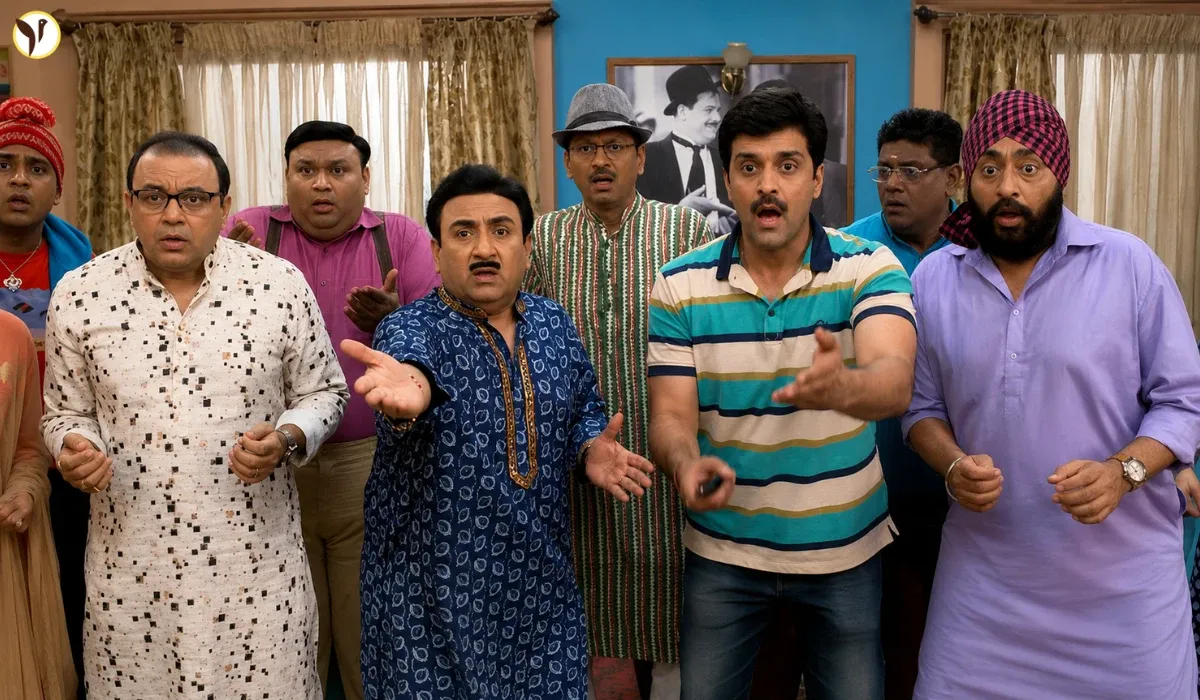
Before her Bigg Boss victory, Shinde was the powerhouse lead of Bhabhi Ji Ghar Par Hain, one of the most successful comedy shows in Indian television history. She left the show amid highly publicized contractual disputes, facing immense industry backlash and a temporary ban from the Cine & TV Artistes’ Association (CINTAA). She fought legal battles, faced isolation, and was written off by many as a "difficult" older actress.
When she entered Bigg Boss 11, she was not a naive participant. She was a seasoned professional who had seen the ugly underbelly of the industry. Her eventual victory was largely attributed to her refusal to conform to the stereotypical behaviors expected of women her age on reality TV. She did not try to play the "young, naive" card, nor did she allow herself to be pigeonholed as an "aging veteran."
Therefore, when she analyzes Salman Khan’s likely reaction to age-shaming, she is speaking from a place of profound institutional knowledge. She understands the difference between manufactured controversy and genuine human decency within the confines of a soundstage.
The "TRP Dilemma": Why Producers Rely on Regressive Tropes
If top hosts like Salman Khan and respected actors like Shilpa Shinde ostensibly stand against ageism, why does it still persist on television? The answer lies in the economics of broadcasting.
Creating compelling reality television is incredibly difficult. Over 100 days of live footage must be distilled into daily hour-long episodes that keep millions engaged. The easiest shortcut to engagement is the activation of primal societal biases.
- Youth vs. Experience: Pitting a 22-year-old against a 42-year-old and framing it as a clash of "fresh energy" versus "outdated tactics."
- The "Desperate" Narrative: Suggesting that older female contestants are "desperate" for screen time or affection, whereas older male contestants are "strategic."
- Appearance Policing: Focusing heavily on the physical signs of aging in women (gray hair, wrinkles) while ignoring the same in men.
These tropes are cheap to produce and historically reliable in generating social media outrage, which directly correlates to higher viewership. Changing this requires not just a host's intervention, but a fundamental shift in what the audience rewards with their viewership.
What Happens Next? The Shifting Paradigm
Shilpa Shinde’s comments arrive at a pivotal moment. The Indian audience is undergoing a noticeable evolution. The rise of OTT platforms has democratized content consumption. Viewers who have been exposed to nuanced, age-appropriate writing in shows like Four More Shots Please!, Delhi Crime, or Masaba Masaba are increasingly intolerant of the regressive tropes that dominate free-to-air television.
The expected industry shifts include:
- Increased Accountability on Social Media: When age-shaming occurs on a reality show now, it is immediately clipped, shared, and dissected on platforms like X (formerly Twitter) and Reddit. The backlash is swift, forcing producers to issue clarifications or edit out offensive content.
- The "Influencer" Factor: Modern reality show contestants are often social media influencers who understand personal branding. They are less likely to engage in age-shaming on camera, knowing it will permanently damage their off-screen marketability.
- Host Proactivity: Statements like Shilpa Shinde’s create a public expectation. If an incident of age-shaming occurs in a future season and goes unaddressed by the host, the omission will be loudly called out, citing the very standards that actors like Shinde have publicly set for them.
Conclusion
Shilpa Shinde’s assertion that Salman Khan would take a stand against age-shaming is far more than a quotable soundbite for a slow news day. It is a calculated observation made by a veteran who understands the power dynamics of Indian television. It highlights the ongoing tension between the regressive editorial choices driven by TRP anxieties and the progressive standards demanded by a modernizing audience.
Age-shaming in the entertainment industry will not be eradicated by a single statement or a single host's intervention. However, when prominent figures like Shinde normalize the expectation of dignity—making it clear that mocking a woman's age is not "good television" but rather a failure of creativity—it chips away at the systemic immunity that has protected this behavior for decades. The audience is watching, and increasingly, they are refusing to laugh at the expense of women simply for aging.
Other Articles to Read: