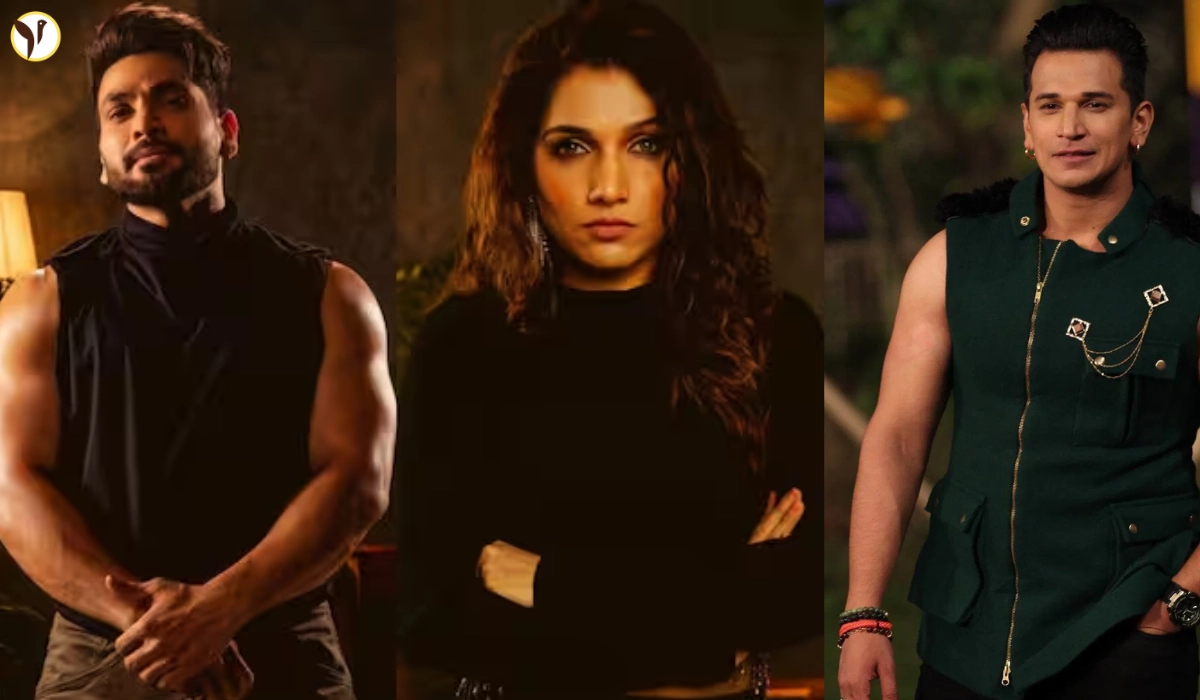


Reality television thrives on rivalry, but this week The 50 crossed into a far more sensitive zone. After her elimination from the show, Jahnavi Killekar publicly criticised Prince Narula and Shiv Thakare over remarks directed at Nikki Tamboli that she described as body shaming.
The fallout has been swift. Social media timelines filled with debate, fan camps hardened their positions, and #WeSupportNikki began trending widely. At a time when audiences are increasingly sensitive to language and representation, the clash has expanded into a larger conversation about accountability inside high-voltage reality formats.
Jahnavi’s Post-Eviction Stand
In a post-eviction interaction, Jahnavi did not mince words. She labelled Prince’s comments “extremely inappropriate,” arguing that personalities with massive followings must recognise the impact of their words.
Her criticism went beyond gameplay. She framed the issue through a broader lens, saying public figures are seen as role models not just by fans but also by families who watch them as sons, husbands and fathers. According to her, dismissing such remarks as casual banter sends a harmful message to young viewers.
She also questioned Shiv’s reaction during the moment, stating that laughter in such contexts reinforces the problem rather than diffusing it.
The tone of her response suggested this was not a strategic move to regain relevance after elimination. It was positioned as a values-based objection.
The Clip That Sparked Debate
The controversy traces back to a segment where comments about Nikki’s appearance were made during an intense exchange. A separate clip circulating online has also drawn attention, with viewers claiming past mockery about physical features resurfaced in discussion.
Nikki’s supporters argue that the pattern reflects a recurring issue in competitive reality shows where personal attributes become ammunition during conflicts. Critics of that view say the show’s format encourages provocation and that context matters.
The absence of a detailed public clarification from the accused contestants has kept the narrative fluid.
Palace Strategy and Elimination Politics
The 50 operates on shifting alliances, a fan-influenced prize and minimal structural rules. Contestants compete not only in tasks but also in social manoeuvring.
Jahnavi has alleged that rival players strategically orchestrated her exit as part of a larger power play. Earlier eliminations of other contestants had already exposed cracks within alliance groups, and this incident appears to have deepened those fractures.
The body-shaming allegation now overlaps with tactical rivalry, making it difficult for viewers to separate ethics from strategy.
A Pattern Viewers Recognise
Indian reality television has seen similar controversies in the past. Sharp comments about appearance have periodically sparked backlash across formats.
This time, however, the reaction appears more organised. A significant section of viewers has openly expressed solidarity with Nikki and Jahnavi, framing the issue as part of a broader body-positivity movement rather than a one-off argument.
The debate is not only about one remark. It is about whether reality television is evolving in step with social expectations.
Prince Narula Under Role Model Spotlight
Prince Narula’s career includes wins across competitive shows and a carefully built public image that includes family life and motivational positioning. That reputation brings influence and scrutiny.
Supporters argue that Prince is known for aggressive gameplay and that competitive environments often produce blunt exchanges. Critics counter that influence demands restraint, especially when comments target personal appearance.
The lack of a detailed, direct clarification so far has left fans reading between the lines through social media activity rather than formal statements.
Other Articles to Read:
- T20 World Cup 2026 — Canada vs UAE: Early Blows Shift Momentum
- Allison Holker Engaged to Adam Edmunds in Romantic Surprise: Heartfelt Proposal Details
- Another Threat to Ranveer Singh & Rohit Shetty? What Does the Viral Voice Note Reveal
- Winter Olympics 2026 Hockey Live: Strong Victories for USA and Canada
- PlayStation Breaks the Internet With Major PS5 Game Announcements
- My Romeo, Time to Shine’: Mira Rajput Cheers Shahid’s O’Romeo
- Spider-Noir Teaser Out Now: Is This Marvel’s Darkest Live-Action Project?
- Sangamarmar Teaser Released: Sourabh Raaj Jain and Sheen Dass Headline Cast
Shiv Thakare’s Silence Examined
Shiv Thakare, who built strong regional support through previous reality appearances, has also faced criticism for not distancing himself clearly from the remarks during the moment.
Some fans view silence as neutrality. Others see it as tacit approval. That difference in interpretation highlights how reality contestants are increasingly judged not just on performance but on public values.
Women Contestants and Emerging Solidarity
Several women contestants have expressed visible support for Nikki. Observers note that the episode appears to have strengthened bonds among certain female participants who view appearance-based remarks as a line that should not be crossed.
This dynamic could alter alliance patterns within the show. When emotional solidarity intersects with strategic gameplay, outcomes shift unpredictably.
Where the Narrative Heads Next
The palace alliances inside The 50 appear increasingly fractured. Emotional loyalties, strategic positioning and public opinion are now tightly intertwined.
If contestants address the controversy openly in future episodes, it may stabilise the narrative. If silence continues, speculation will likely persist.
Reality shows move quickly, but reputations last longer than episodes. That reality may shape how participants respond going forward.