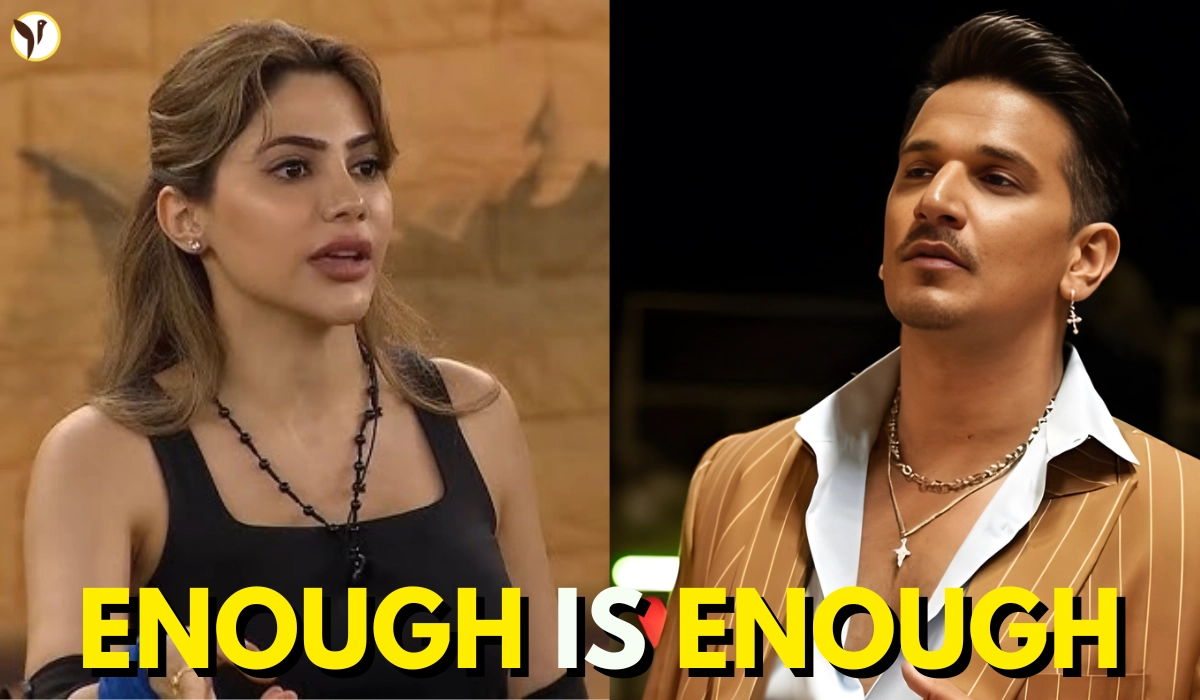


The situation between Prince Narula and Nikki Tamboli has received tremendous amounts of attention after a heated argument on "The 50" this past week between these two reality TV personalities. Tamboli decided to voice her dissatisfaction with the remarks made by Narula regarding her body, which also highlighted how many of the audience interpreted them as body-shaming comments. The incident led many individuals to show their support of Tamboli by creating their own personal hashtags to support her, resulting in these hashtags being trending within a matter of hours and triggering a wider discussion about responsibility in relation to reality television and how it should be treated in regards to discussions about women's bodies.
Additionally, this episode brings attention not only to the opinions of fans of particular reality TV contestants but also to the way that women are portrayed on mainstream media platforms as well as how the various formats of reality TV deal with personal boundaries in the middle of reality TV show seasons.
Episode Clip Triggers Swift Reaction
The flashpoint came during a recent task inside the palace-style setup of The 50, a high-stakes reality show streaming on JioHotstar and airing on Colors. In the middle of competitive banter, Narula made a comment about Tamboli’s appearance. While the show thrives on strategy and verbal sparring, many viewers felt the remark moved from gameplay into personal territory.
A short clip from the episode quickly circulated on Instagram and X. Fan accounts amplified it, and within a day, the video had gathered millions of views across platforms. Comment sections reflected sharp divisions, but the dominant tone leaned in Tamboli’s favour.
Nikki Tamboli’s Response: Direct and Public
Tamboli did not confine her reaction to the show floor. She shared a detailed post and video clip addressing the issue. In her message, she questioned how a public figure known for projecting a family-man image could make comments perceived as belittling. She framed her response not as outrage, but as a matter of principle.
She also turned the conversation toward responsibility. As someone who has built her career through high-visibility reality formats, Tamboli stressed that words carry weight, especially when broadcast to millions.
Her tone struck many as firm but measured. Rather than escalate the fight theatrically, she focused on the broader implication of body-related comments.
Prince Narula’s Public Image and Fan Divide
Prince Narula is no stranger to competitive reality television. He has won multiple formats including Roadies, Splitsvilla, Bigg Boss, and Nach Baliye. Over the years, he has cultivated a strong fan base and a public persona rooted in resilience and family values alongside wife Yuvika Chaudhary.
Supporters argue that competitive shows often magnify tension and that editing can intensify exchanges. Some fans insist the remark was part of strategy-driven banter rather than personal attack.
However, critics counter that even in high-pressure environments, remarks about appearance cannot be brushed aside as gameplay.
As of now, there has been no detailed public apology. The absence of a formal clarification has kept the debate active online.
A Pattern of Personal Remarks?
The incident also revived discussion around a previous exchange involving Aarya Jadhao. In an earlier episode, Tamboli had been subjected to remarks referencing cosmetic procedures. That moment had already sparked minor backlash.
Viewers now see the latest controversy as part of a pattern rather than an isolated slip.
Reality television often tests emotional endurance, but repeated appearance-focused comments can shift audience perception from dramatic to disrespectful.
How The 50 Format Amplifies Tensions
The 50 places contestants inside a palace environment with limited restrictions and constantly shifting alliances. With 50 participants competing for a lion-themed grand prize twist involving audience participation, strategy becomes intense.
Such formats are designed to create friction. Contestants form temporary alliances and break them quickly. Verbal exchanges are common.
Yet this design also means personal lines can blur. Producers typically rely on editing to shape narrative arcs, but viral clips now escape controlled storytelling. Once a moment trends independently, the show loses narrative control.
Body Positivity and Viewer Expectations
India’s entertainment audience has evolved rapidly. Younger viewers are vocal about representation and dignity. Social media acts as both amplifier and accountability mechanism.
Body positivity campaigns over the past decade have reshaped conversations around beauty standards. Influencers, mental health advocates, and celebrities increasingly challenge casual comments about weight or appearance.
When a high-profile reality show becomes the setting for perceived body-shaming, the reaction is immediate.
It also reflects shifting tolerance levels. What may have once been dismissed as humour now faces scrutiny.
Industry Response and Silence
So far, the show’s producers and broadcasters have not issued a formal statement. This is not unusual. Networks often avoid escalating controversies unless legal or sponsor pressure builds.
Historically, reality formats have weathered similar storms. Past seasons of Bigg Boss and other shows have faced backlash over insensitive remarks, only to see ratings rise due to heightened attention.
Short-term spikes in viewership often accompany controversy. Long-term impact depends on how contestants handle fallout and whether patterns repeat.
Women Contestants Rallying
Several fellow contestants and industry figures have indirectly expressed support for respectful conduct. Though not all have issued formal statements, the online sisterhood narrative has gained traction.
This support highlights a broader industry shift. Female participants today are more willing to publicly address perceived disrespect rather than treat it as part of the game.
Mental Health in Competitive Shows
Reality shows increasingly provide post-show counselling, especially after criticism over mental health pressures in earlier formats. While competitive tension drives engagement, networks are aware of reputational risks.
Experts in media psychology note that public shaming moments can affect both participants and viewers. Young audiences, particularly women, may internalize televised commentary.
The Tamboli-Narula episode underscores why conversations around responsible entertainment are ongoing.
Final Thoughts
As The 50 moves deeper into its season, alliances are likely to shift. Tamboli’s assertive stance may reshape her image within the game, possibly strengthening her as a lone but resilient contender.
For Narula, the episode places his veteran status under renewed scrutiny. How he addresses the controversy, if at all, will influence public sentiment.
For the show itself, this moment reinforces a clear reality. Audiences today demand more than drama. They expect accountability.