



Today, Netflix released a new six-episode limited series, Vladimir, starring Academy Award winner Rachel Weisz. The show tackles university politics, ambition, and obsession with emotion, portraying how easily one's life can fall apart when a scandal occurs (in this case, involving the main character's husband). The show will depict the professor as she tries to maintain her reputation and career, while an unforeseen source of inspiration comes in the form of Vladimir, a mysterious young writer. In the beginning, the relationship between the two begins as intellectual admiration/development, but is soon turned into more than that, and is followed by a series of events that will ultimately lead to the culmination of emotions/complications, and culminate in an extraordinary fire creating a devastatingly complete end result.
Netflix Brings a Dark Academic Drama to Global Viewers
The series launched worldwide on Netflix on March 6. Unlike long multi-season dramas, Vladimir arrives as a tightly written limited series with six episodes.
Each episode runs between 45 and 50 minutes, which means the entire story unfolds over roughly five hours. That makes it an easy weekend binge for viewers who enjoy character-driven storytelling.
The show blends several genres at once:
-
Psychological drama
-
Dark comedy
-
Academic satire
-
Relationship thriller
Instead of focusing on action or mystery, the story explores emotional tension inside an elite academic environment.
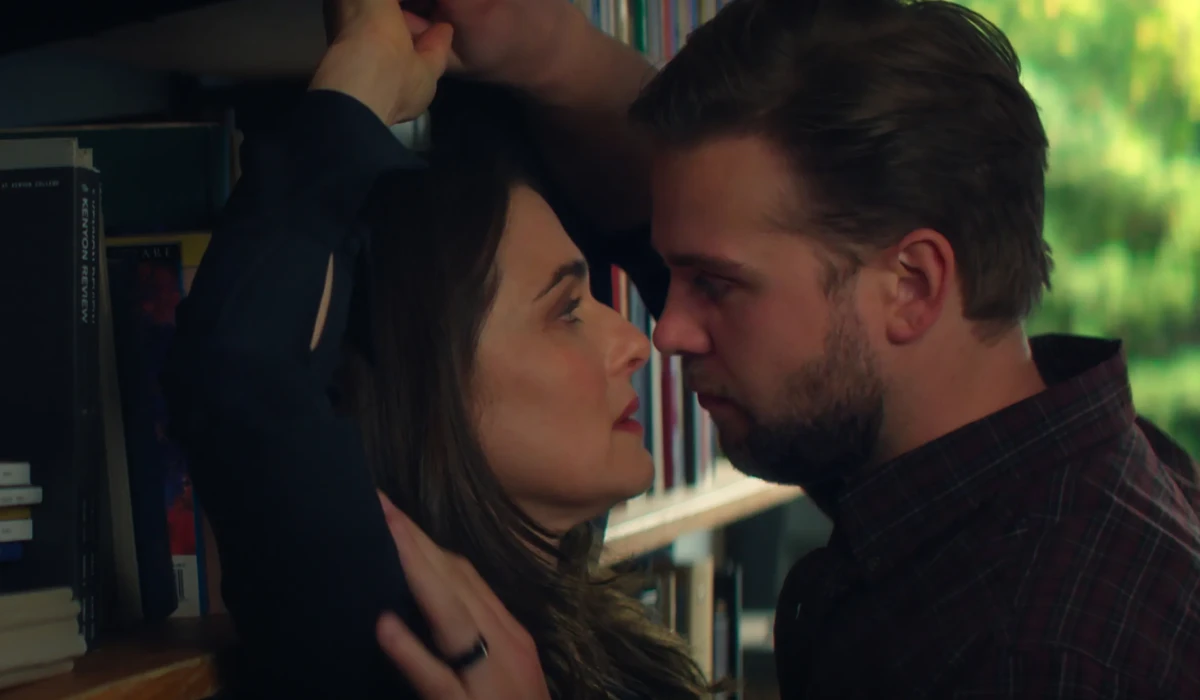
Rachel Weisz Delivers One of the Show’s Strongest Elements
The focus of the story is Julia (Rachel Weisz), an accomplished English professor and respected within the literary world.
Things become difficult for Julia when her husband (who also is an employee of the same university) has accusations made against him regarding inappropriate conduct with female students, which causes controversy throughout the entire campus.
Tension builds during faculty meetings and students question the leadership of the university. Julia is faced with having to choose between being loyal to her husband and protecting her own career.
The overall premise of this series is based on the stress that comes from this experience.
The Arrival of Vladimir Changes Everything
Just as Julia struggles with the growing scandal, a new figure appears in her academic world.
Vladimir, a young writer and lecturer, joins the department. He is intelligent, confident, and somewhat mysterious. His presence immediately sparks curiosity among faculty members.
For Julia, the attraction is not simply romantic. She admires his talent and ambition as a writer. Their early conversations revolve around literature, creativity, and academic life.
But as the story progresses, the dynamic becomes more personal.
What started as professional admiration begins turning into emotional fascination.
A Lunch Meeting That Sparks the Turning Point
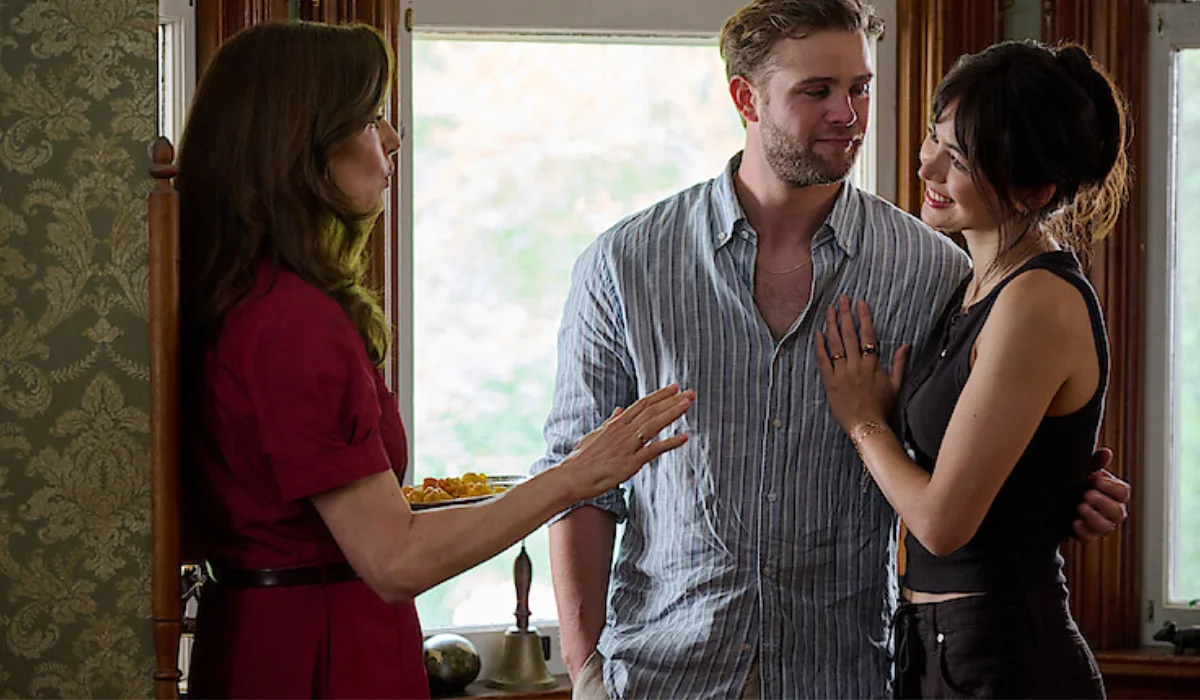
One of the most important scenes in the series takes place during a lunch meeting between Julia and Vladimir.
Initially the meeting appears harmless. Julia invites him to discuss writing and academic ideas. However, the conversation gradually shifts into more personal territory.
During the lunch scene:
-
Julia begins discussing frustrations about her marriage
-
Vladimir listens but reveals little about himself
-
Their professional boundary starts to blur
This moment becomes the emotional trigger that drives the rest of the story forward.
From this point, Julia’s interest in Vladimir begins to deepen.
Rumors of a Professor–Student Relationship Begin
As the two characters spend more time together, people around campus begin to notice.
Students talk about the unusual closeness between the professor and the young writer. Faculty members exchange suspicious glances in department meetings.
The series cleverly avoids giving viewers a clear answer about whether the relationship crosses into an affair.
Instead, it presents a series of moments that raise questions:
-
Private academic discussions late at night
-
Messages exchanged outside professional settings
-
Increasing emotional tension between the characters
This ambiguity keeps viewers engaged because the show never fully confirms or denies the speculation.

Oxford-Style Academic Culture Adds Realism
Another strength of Vladimir is its portrayal of elite university culture.
The fictional campus setting mirrors the atmosphere of prestigious British universities. The series highlights how reputation, academic hierarchy, and public perception influence every decision professors make.
Key themes explored in the show include:
-
Academic ambition and competition
-
Power dynamics between professors and students
-
Public scandals damaging institutional credibility
-
Midlife identity crises among intellectuals
These elements give the story a grounded realism that goes beyond simple entertainment.
Other Articles to Read:
- Janhvi Kapoor Turns 29! From Star Kid to Superstar Her Amazing Journey
- Emma Watson Shares Romantic Moment With Gonzalo Hevia Bailleres — Photos Go Viral
- Avika Gor Pregnant? Viral Video Shows Her Vomiting Near Paps
- Anurag Dobhal’s Last Vlog: What He Confessed About His Suicide Attempt
- Arjun Tendulkar Weds Saaniya: First Look at the Groom & Bride
- Subedaar Review: Anil Kapoor Shines, But One Scene Will Make You Look Twice
Vladimir Netflix Cast and Characters
The performances from the supporting cast strengthen the story and help create the tense academic environment.
|
|
|
|
|
|
|
|
|
|
|
|
|
|
|
|
|
|
|
|
|
|
|
|
|
|
|
|
|
|
|
|
|
|
|
|
|
|
|
|
|
|
|
|
|
A Dramatic Finale Built Around a Shocking Fire
In the lead-up to the concluding episode, Julia becomes subject to increasing pressure.
The investigation into her husband continues. Rumours fly about her relationship with Vladimir at the university. Hostility grows at faculty meetings.
Then comes the climactic moment.
After a tense confrontation regarding the scandal erupting, a fire breaks out on the scene of action. This fire serves as one of the most dramatic scenes in the series.
In addition to the visual impact, the fire represents a larger collapse of everything Julia had controlled in her academic life.
There are now damaged reputations and uncertain careers due to this investigation. There are also altered relationships because of it.
The ending does not yield the viewer an answer; rather, they are given an opportunity to reflect on their own responsibility, ambition, and the emotional toll of obsession.