



The Avatar franchise created by James Cameron has consistently pushed the limits of what is possible in film. By combining visual effects that were nothing less than revolutionary back when they were first introduced with an incredibly developed and immersive world of Pandora, Avatar has appealed to audiences across the globe. Now, with the release of Avatar: Fire and Ash, James Cameron has once again taken his creativity to new heights, producing a new installment of the franchise that reignites the love that everyone has for Pandora. It’s not just another sequel, but rather an innovative exploration of new emotional dimensions, an improvement of the technology used to create immersive environments, as well as increasing the amount of ways people can create a personal bond with the world they fell in love with through Avatar. Here’s a look at how Avatar: Fire and Ash has captured the hearts of so many people around the globe.
Pandora's World Expands – New Biomes, New Adventures
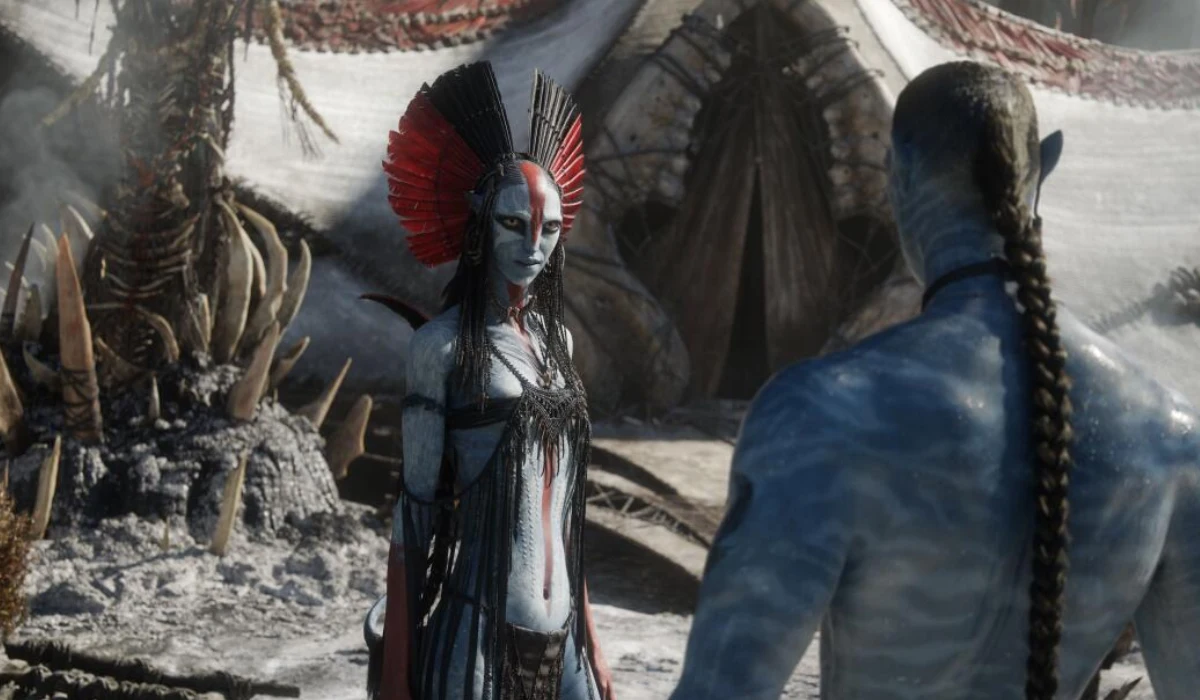
For those who thought they had seen everything Pandora had to offer, think again. Avatar: Fire and Ash is stepping into uncharted territory, introducing new biomes that go beyond the lush jungles and majestic oceans. This time, the world of Pandora is shaped by fire, ash, and volcanic destruction — a far cry from the serenity fans have come to associate with the original film.
The new landscapes promise not only stunning visuals but also thematic depth. These fire-drenched lands represent change, destruction, and the fight for survival, introducing a rawness that’s never been seen in the franchise before. The move away from the familiar forested landscapes to fiery terrains signals a fresh take that taps into universal themes of survival, conflict, and rebirth.
-
Exploration of the fire clans: This new territory introduces ideological conflicts among different Na’vi clans, some of which may not be so heroic after all.
-
Darker, more emotional tones: This chapter focuses on real-world emotions like anger, loss, and irreversible change, giving audiences an emotional connection that goes beyond the visuals.
-
More complex narratives: With morally grey areas explored, Fire and Ash brings deeper storytelling, inviting viewers to question good vs. evil in a more nuanced manner.
These changes ensure that Avatar: Fire and Ash doesn’t feel like a typical sequel. It promises something new, something intense, and something that viewers can’t wait to experience.

Emotional Complexity – Why the Film Feels More Intense
While Avatar: The Way of Water was known for its themes of beauty, harmony, and the importance of family, Fire and Ash promises to delve into a more complicated emotional landscape. In this new chapter, fire isn’t just a visual effect — it’s symbolic. Fire represents anger, loss, and irreversible change, tapping into deep emotional triggers that resonate with audiences on a more visceral level.
James Cameron has hinted that Fire and Ash will explore the grey areas of morality, with some Na’vi clans potentially taking on roles that are not traditionally heroic. This adds a layer of intrigue that fans can’t help but gravitate toward.
-
Moral dilemmas: The characters must make choices that have consequences, blurring the lines between right and wrong.
-
Characters with flaws: Fans will be exposed to Na’vi clans that are far from perfect, creating more complex characters to root for (or against).
-
A Pandora that isn’t “safe”: The once peaceful world is now marked by destruction, making it feel unpredictable and exciting.
This emotional complexity makes Fire and Ash more appealing to adult audiences, not just those who enjoy spectacle. It’s a story about the challenges of life, the fight for survival, and the consequences of our choices.

Behind the Camera – The Magic of Filming Fire and Ash
One of the main reasons the Avatar films continue to captivate audiences is the innovative filming techniques used by James Cameron and his team. For Avatar: Fire and Ash, Cameron continues to break new ground with next-level camera technology and motion-capture techniques that enhance the immersive experience.
Unlike other films where fire and smoke often detract from the visual experience, Cameron’s team has designed custom lenses and advanced motion-capture rigs to ensure that the intensity of fire, smoke, and volcanic lighting doesn’t lose detail or realism. This meticulous attention to detail ensures that audiences experience the full power of Pandora’s new landscapes.
-
High-frame-rate action sequences: Expect fast-paced, high-energy action that draws viewers into the thick of the action.
-
Volcanic lighting simulations: Fire and ash lighting techniques will highlight the molten landscapes of Pandora in ways we’ve never seen before.
-
Immersive 3D experience: With advanced 3D technology, the film promises to deliver depth and clarity that can only be appreciated in theaters.
These technological innovations are not just gimmicks. They’re crucial to making Avatar: Fire and Ash a cinematic experience that demands to be seen on the big screen. It’s this attention to detail that makes Avatar a visually stunning and immersive experience unlike anything else in Hollywood.
Why Avatar: Fire and Ash Still Feels Like Fun, Not a Chore
One of the reasons Avatar remains so beloved is its ability to avoid the exhausting lore that often plagues big franchises. While other sequels and reboots demand viewers to remember countless details from previous films, Fire and Ash remains easy to follow. Cameron is a master of pacing, structuring the narrative like an emotional rollercoaster — simple at first, then building to powerful emotional and visual payoffs.
The fun comes from the clarity of the story, not from trying to connect every dot from previous films. The characters’ emotional arcs are easy to follow, and while the film doesn’t shy away from serious themes, it does so in a way that’s accessible to a wide range of audiences.
-
Simple yet engaging emotional arcs: Viewers can quickly connect with the story, whether they’re casual moviegoers or die-hard fans.
-
Visual storytelling: Instead of relying heavily on dialogue, the film uses stunning visuals to tell the story, allowing viewers to get lost in the world of Pandora.
-
Shared cinematic moments: Fire and Ash has been designed to give audiences those “wow” moments that are best experienced collectively, whether in theaters or at home.
This is why the Avatar franchise remains so accessible — it’s fun without feeling like homework.