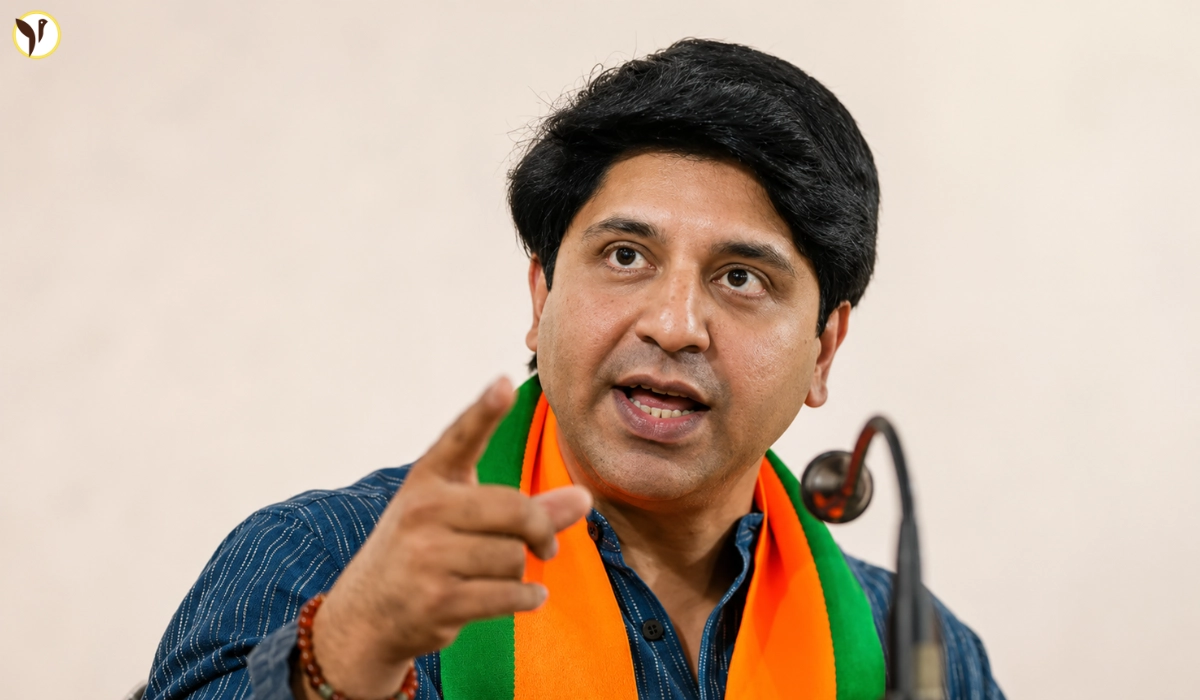
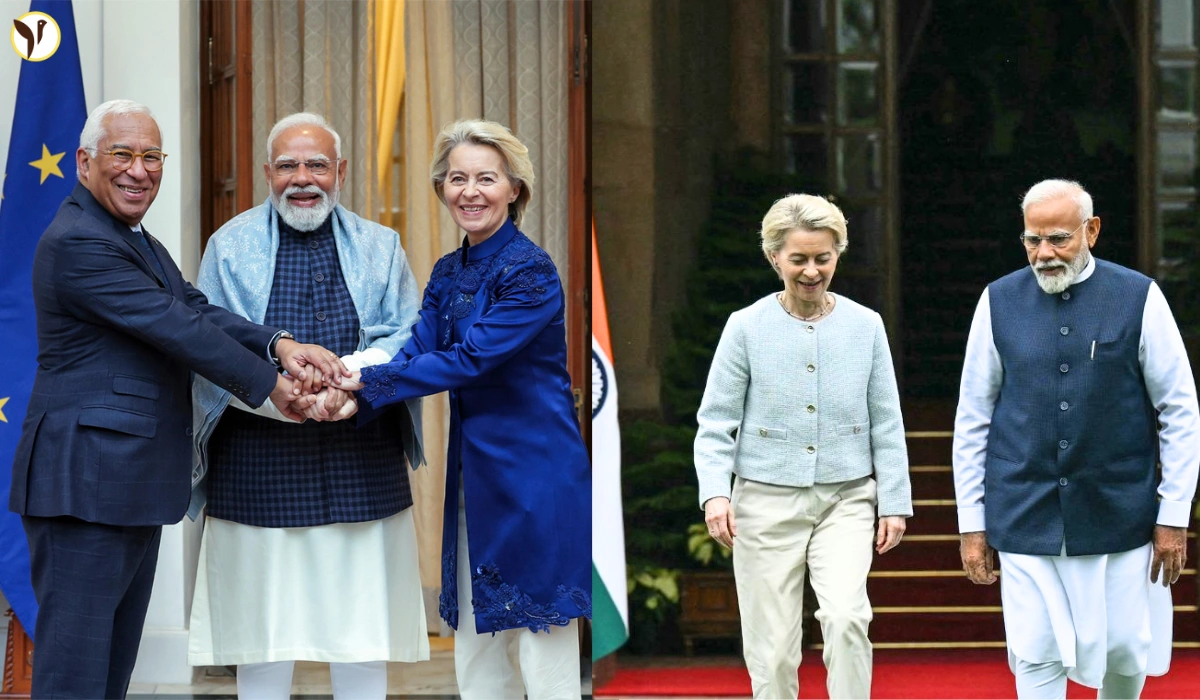


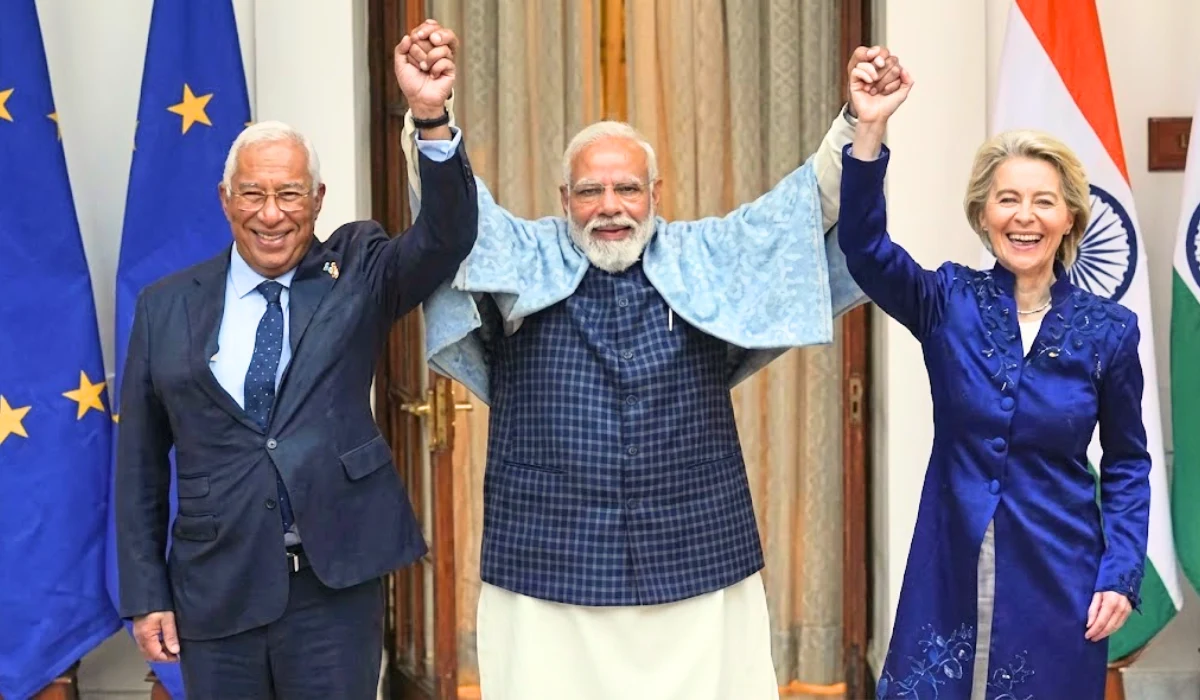
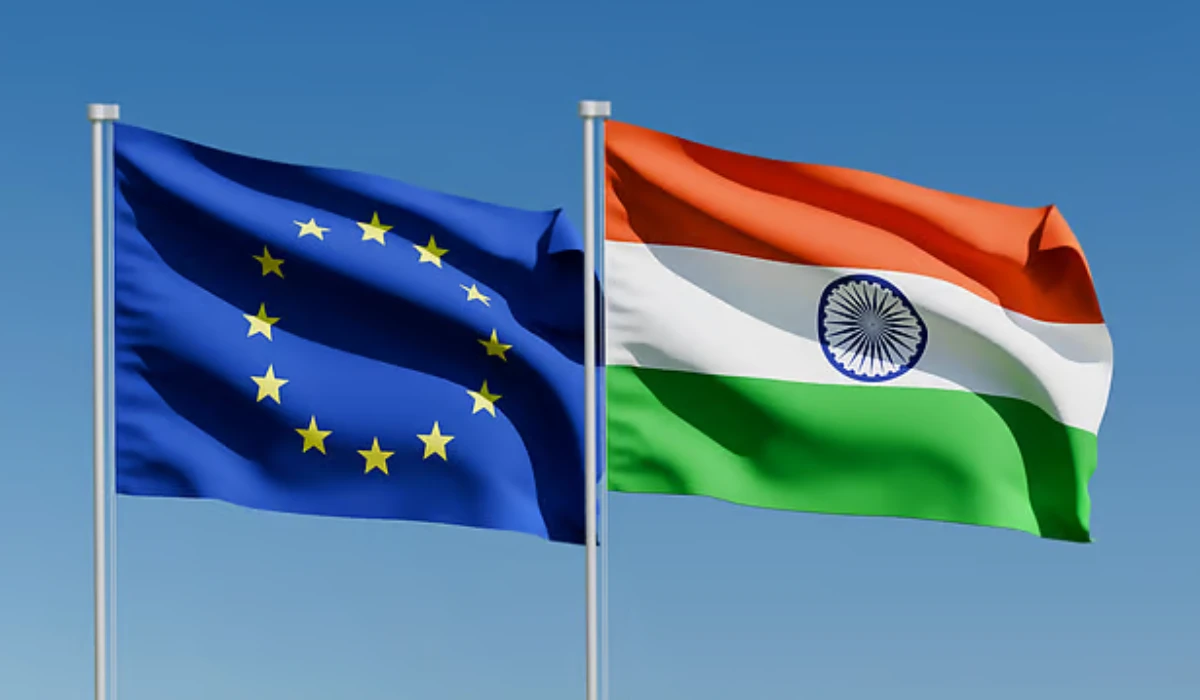
The India-EU FTA will open up Indian exports to the EU at zero rates of customs duty and dramatically change how these two countries conduct trade with each other. This new agreement will make it much easier for Indian businesses to gain access to one of the biggest and wealthiest consumer markets in the world; it also creates opportunities for Indian manufacturers and creates new jobs in India by enhancing the competitiveness of Indian-manufactured goods in Europe. The FTA is scheduled to come into force for 90 per cent of all products traded between India and the EU at the start, and will expand coverage to close to 97% of all tariff lines by 2027, as goods are phased in according to the duty reduction schedule outlined in the agreement and as appropriate Quota-Based Access increases. The FTA is expected to create new opportunities for long-term growth in India's export-driven industries through the phased-in tariff reductions and increase in Quota-Based Access.
India-EU FTA Explained: How the Trade Deal Works
Under the new agreement, Indian products entering Europe will no longer face custom's duty charges from the EU as of the day the accord comes into effect or limited period of time, depending on the type of product. The elimination of custom's duties will provide Indian exporters with a significant price advantage on products that had been subject to EU custom's duties of up to 26%. The new agreement will also provide for greater cooperation and collaboration on issues related to trade in services, digital trade including e-commerce, sustainable development, and the resolution of disputes establishing a 'new standard' for trade relations between India and the EU.
5 Indian Sectors That Gain Zero EU Duties Under India‑EU FTA
Textiles and Clothing
The removal of custom's duty from Indian garments, textiles and finished clothing will provide Indian exporters with a price advantage of around 11-12% over and above existing tariffs. Export hubs such as Tiruppur, Surat and Ludhiana should see a significant increase in the number of export orders leading to the creation of jobs in the areas of weaving and sewing, as well as some processing.
Leather and Footwear
Indian leather and footwear products will be allowed import into the EU without custom's duties, which averaged approximately 17% prior to this new agreement. High-volume export hubs, such as those in Vellore/Ambur, Kanpur, and Agra Regions, will have a distinct competitive advantage and could see an increase in demand for goods from these Regions on the international marketplace.
Marine Products
All Indian shrimp, prawn, and fish products exported to the relationships with the European Union (EU) will now not incur any customs duty, versus a previous maximum duty rate of 26%; this will result in a large increase in income for fishing communities and fish processing industries in India's coastal regions states such as Andhra Pradesh, Gujarat, Kerala, and West Bengal.
Gems and Jewelry
Indian producers of all gem and jewelry products will now be able to sell their goods into the EU duty-free (with no tariffs). This will enable significant growth for manufacturers of gems and jewelry in cities like Surat, Mumbai, and Jaipur, and will provide opportunities for employment as skilled artisans throughout India.
Chemicals, Plastics, Rubber Products, and Related Products
The EU has removed its tariffs on imports of industrial chemicals, plastics, rubber products, and other related industrial goods; previously, Indian exporters of such goods paid tariffs of approximately 12-12.8%. India’s micro, small and medium enterprises (MSMEs) and other manufacturers of such products will be more competitive in the EU marketplace if they begin exporting to EU countries (and take advantage of the now existing free trade agreement between India and the EU).
Economic Impact of India-EU FTA and Employment Growth
A new trade agreement may create international export opportunities in India that total ₹6.4 lakh crore or approximately $75 billion across several states including Gujarat, Maharashtra, Tamil Nadu, Uttar Pradesh and Karnataka. Labour-intensive industries such as textiles and leather are anticipated to be substantial job creators, with several Million new jobs expected to be available over the next 10 years. Industry groups believe that products produced in the above-mentioned sectors that have no import duties will help India increase its global presence via robust trade relations and compete successfully against other exporters from Asia.
OTHER ARTICLES TO READ:
- Border 2 Box Office: Sunny Deol Film Hits ₹270 Cr Worldwide ?
- Nothing Phone 4a Pro Moves Closer After New Certifications
- What Is ChatGPT Prism? OpenAI’s New Free AI Tool Explained & Its Impact
- Ajit Pawar Plane Crash: The Morning Baramati Will Not Forget
- Varun Dhawan Mumbai Metro Video Goes Viral: Truth Behind ₹500 Fine Claim Revealed
- Why Did Arijit Singh Say ‘I Am Calling It Off’—Is He Quitting Playback Singing?
- Welcome to the Jungle Expands the Welcome Universe
- Hemi V8 Comeback: Stellantis Plans 100K Engines for 2026
What the India-EU FTA Means for India’s Global Trade Position
The India-EU FTA strengthens India’s position in global trade by giving preferential access to one of the world’s largest markets. It helps India compete better with countries like Vietnam, Bangladesh, and China, which already have strong trade ties with the EU. The deal supports export diversification and reduces dependence on limited markets. It is also expected to attract foreign investment into Indian manufacturing. In the long run, the FTA supports economic growth and reinforces India’s role in global supply chains.