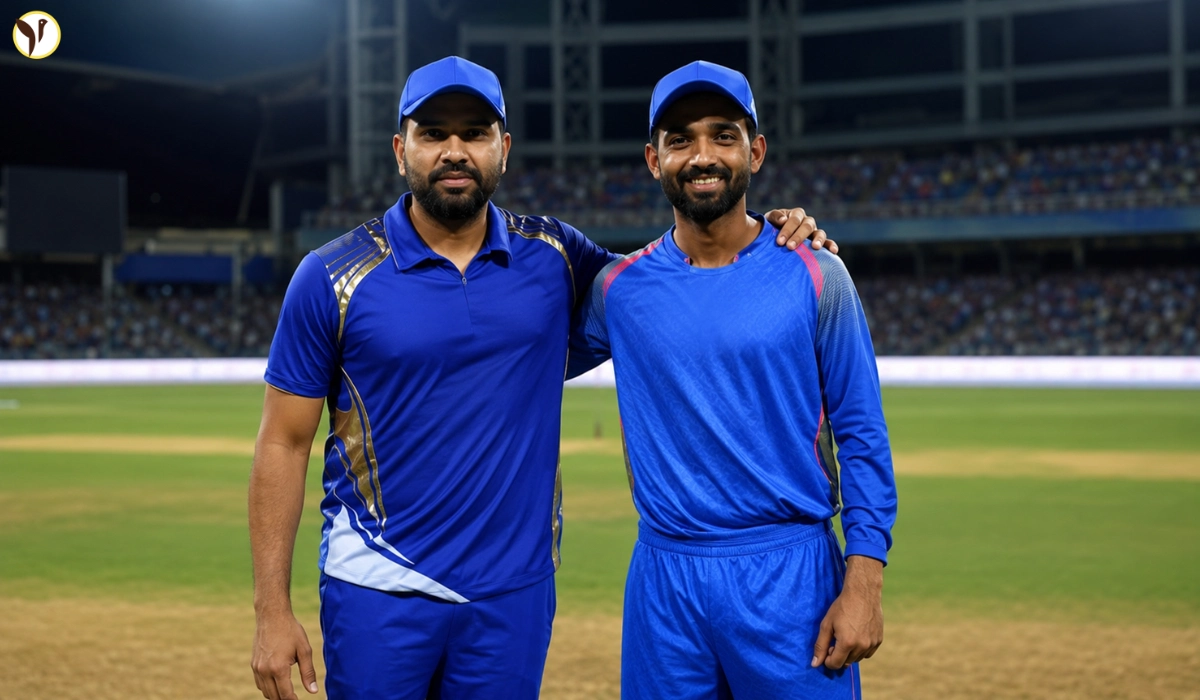



Delhi Capitals captain Axar Patel has been handed a ₹12 lakh fine by the BCCI for a slow over‑rate offence during DC’s thrilling three‑wicket win over Punjab Kings in IPL 2026, underscoring the league’s strict stance on time‑management discipline even in high‑pressure encounters. The punishment came hours after Patel’s own 56 in the chase helped keep Delhi’s slim playoff hopes alive, creating a stark contrast between on‑field heroics and off‑field penalty.
The Win That Came at a Price
Delhi Capitals did what they needed to do at Dharamshala on Monday night — survive. A stunning three-wicket chase of 211 runs against Punjab Kings in Match 55 of IPL 2026 kept their playoff hopes alive, and Axar Patel, finally firing with the bat after a dismal personal run this season, led from the front with a blazing 56 off 30 balls.
But within hours of the final over's last ball, the IPL handed Axar Patel a ₹12 lakh fine — the standard punishment for a first-time slow over-rate offence under Article 2.22 of the IPL's Code of Conduct. It was the bittersweet end to an otherwise memorable night in the hills.
What the IPL Said — The Official Statement
The Board of Control for Cricket in India (BCCI) released a crisp, unambiguous statement:
"Delhi Capitals (DC) captain Axar Patel has been fined after his team maintained a slow over rate during Match No. 55 of the TATA Indian Premier League (IPL) 2026 against Punjab Kings (PBKS) at the Himachal Pradesh Cricket Association Stadium, Dharamshala. As this was his team's first offence of the season under Article 2.22 of the IPL's Code of Conduct, which pertains to minimum over-rate offences, Axar Patel was fined INR 12 lakhs."
The penalty is automatic and non-negotiable under the current IPL framework. There is no appeal pathway against a standard over-rate fine.
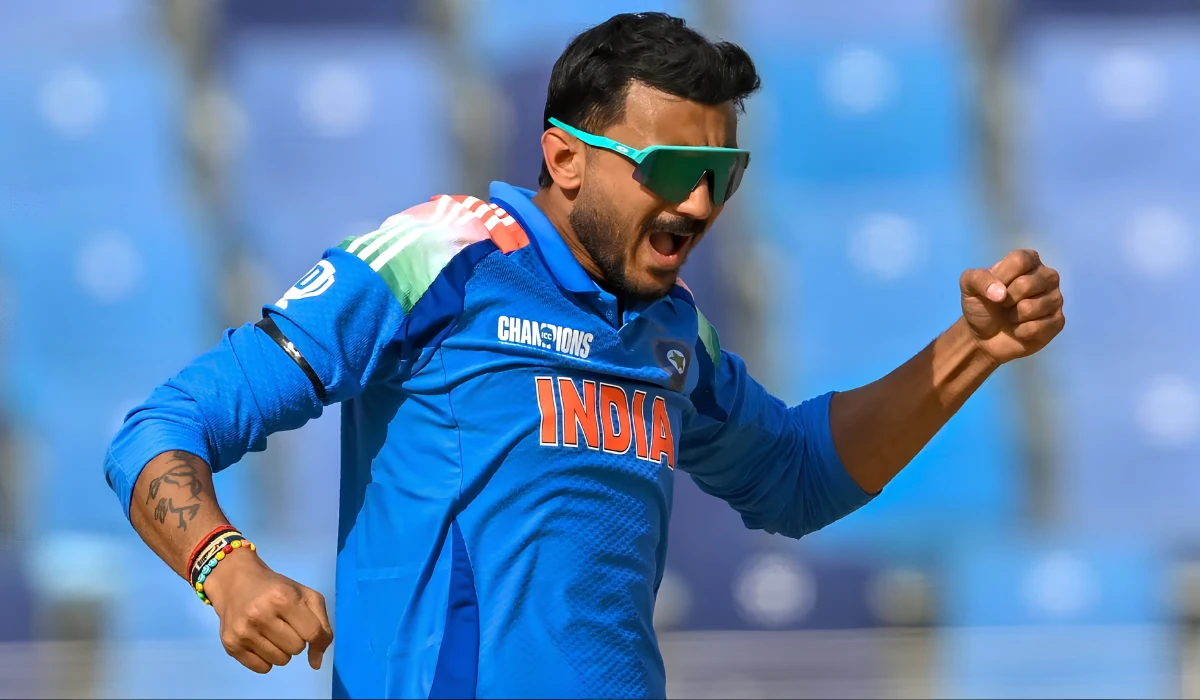
Understanding the Rule — Why Slow Over-Rate Is a Big Deal
IPL's over-rate regulations exist for a reason that goes beyond cricket's traditional boundaries: broadcasting schedules, stadium operations, and fan experience all hinge on matches finishing within a predictable window.
Under Clause 12.6 of the IPL Playing Conditions, a bowling team must complete its 20 overs within 90 minutes of on-field playing time (which includes two 2.5-minute strategic time-outs, but excludes DRS reviews, injury breaks, and umpire consultations). That translates to a minimum pace of 14.11 overs per hour.
If a team falls behind the required pace after the 17th over, they are immediately penalised in-match: an extra fielder must come inside the 30-yard circle for the remaining overs. This in-match restriction — effectively giving the batting side a defensive field against a heavy scoring moment — is widely considered more damaging than the monetary fine itself.
"The real deterrent is the in-match circle penalty — losing a deep midwicket hurts far more than a 12 lakh rupee fine to a franchise captain." — CricJosh Analysis
The Penalty Framework: First Offence vs Repeat
|
|
|
|
|
|
|
|
|
|
|
|
|
|
|
|
For DC and Axar, this was a first offence, meaning only the captain pays. The rest of the squad is untouched — for now. But a second violation at any point in the remainder of IPL 2026 would see the entire playing XI share the pain financially.
The Match That Made It Worth It
To fully appreciate the fine, you need the context of the match. Punjab Kings posted 210/5 in 20 overs, aided by an incendiary powerplay that yielded 70 runs in the first five overs — largely off Mitchell Starc and company. Priyansh Arya's quickfire 56 off 33 balls set the tone, while captain Shreyas Iyer and Cooper Connolly added substance in the middle.
Delhi's chase was a mess early on. Wickets fell at regular intervals. But then Axar — who had scored a shocking 44 runs across 8 innings entering this match at an average of 6.28 — walked in and transformed entirely. His 56 off 30 balls, combined with David Miller's composed 51, rebuilt the innings through a 64-run fifth-wicket stand off just 34 balls.
When Marcus Stoinis and Ben Dwarshuis threatened to snatch it back for Punjab, youngsters Madhav Tiwari (18* off 8) and Ashutosh Sharma (24 off 10) sealed the deal. DC crossed the line at 216/7 — with an over to spare — completing the highest successful chase at the HPCA Stadium in IPL history.
"Since last time I have been saying we are losing the crucial moments. We are a good team, playing good cricket but not winning those crucial moments. Really happy with the way we played," Axar said after the match.
DC's Position: Alive, But on the Edge
|
|
|
|
|
|
|
|
|
|
|
|
|
|
|
|
|
|
|
|
|
defeat against PBKS would have made Delhi Capitals the third team eliminated from IPL 2026. The win does not make them comfortable — it makes them relevant. They trail the playoff pack and carry a negative NRR, meaning every remaining game must be a strong performance, not just a win.
Their next fixture, against Rajasthan Royals at Arun Jaitley Stadium on May 17, is effectively a must-win scenario.
A League-Wide Pattern: Slow Over-Rate Fines in IPL 2026
Axar is far from alone. The slow over-rate issue has been a consistent headache for the IPL this season.
|
|
|
|
|
|
|
|
|
|
|
|
|
|
|
|
|
|
|
|
The pattern is clear: even the most experienced captains are struggling to keep their teams on pace, particularly in high-pressure death-over situations where changing field settings, conferring with bowlers, and managing DRS reviews all eat into the clock.
The Broader Debate: Is the Fine a Real Deterrent?
There is a legitimate question here that cricket administrators and analysts have been raising for years: does a ₹12 lakh fine actually deter anything?
In the context of IPL franchise economics — where player salaries, broadcast revenues, and sponsorship deals run into hundreds of crores — ₹12 lakh is functionally a rounding error. For Axar Patel, it likely represents a fraction of a single match fee.
The in-game fielding restriction is the rule with real bite. Forcing a fourth fielder inside the 30-yard circle in the death overs — when teams are defending totals or trying to protect a run chase — fundamentally alters match strategy. It's the part of the rule that captains actually fear.
Critics have argued the BCCI should escalate fines faster or introduce a system where repeat team-level violations in a season carry harsher consequences. Supporters of the current system note that the in-game penalty already creates on-field accountability where it matters most.
Delhi Capitals kept their playoff hopes alive with a narrow win over Punjab Kings, but skipper Axar Patel was fined Rs 12 lakh for maintaining a slow over rate during the IPL clash in Dharamsala#IPL #DC #DelhiNews https://t.co/jrVoipbboX
— The Patriot (@Patriot_Delhi) May 12, 2026
What Happens Next for Axar and DC
For Axar personally, the fine is a footnote to what was the best individual performance of his IPL 2026 campaign. His batting renaissance against PBKS will matter far more than the ₹12 lakh deduction when the season is assessed.
However, DC cannot afford another slow over-rate violation. A second offence would mean:
- Axar fined ₹24 lakh
- Every player in the playing XI fined ₹6 lakh or 25% of their match fee
With the playoff run-in intensifying and every match now a pressure cooker, over-rate discipline becomes as much a strategic concern as batting order or bowling plans.
Other Articles to Read:
- Alia Bhatt Makes A Dreamy Princess Entrance At Cannes 2026 In Elegant Pastel Gown
- Tamannaah Bhatia Breaks Down in Tears at Mahakaleshwar Bhasma Aarti!
- Ranveer Singh To Lead India’s Biggest Mythology Franchise Immortals Of Meluha
- Mouni Roy & Suraj Nambiar Unfollow Each Other: Are Separation Rumours Real?
- Prajakta Koli Says Goodbye to Mismatched After 7 Years as Dimple