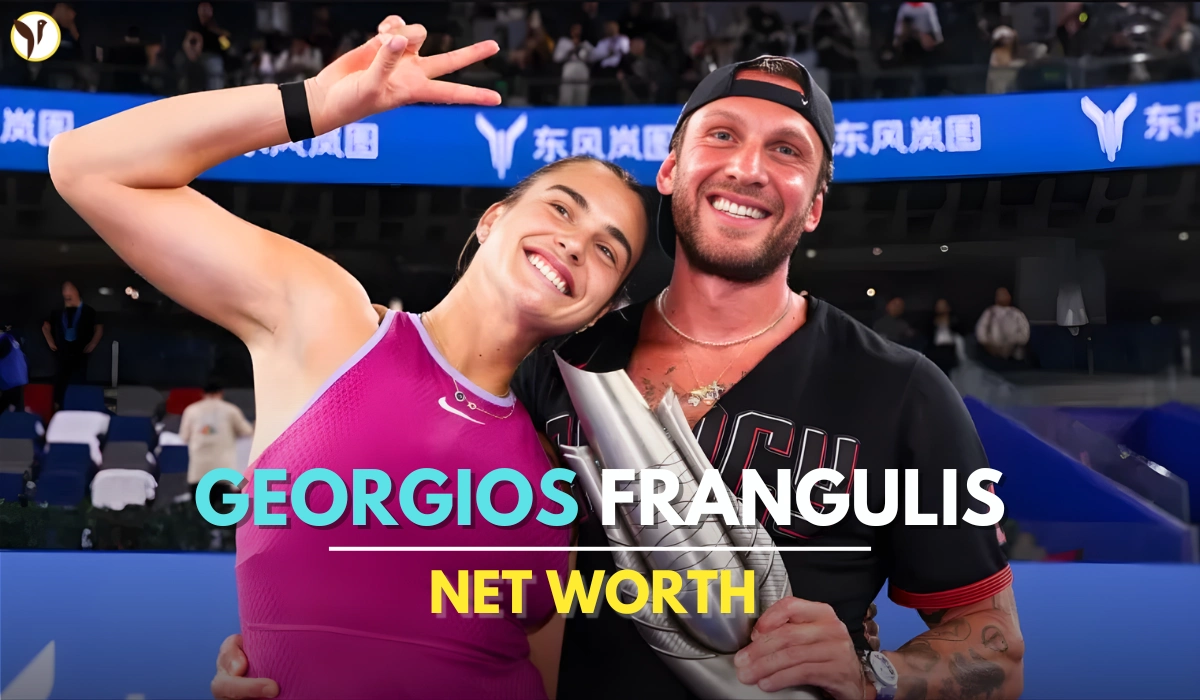


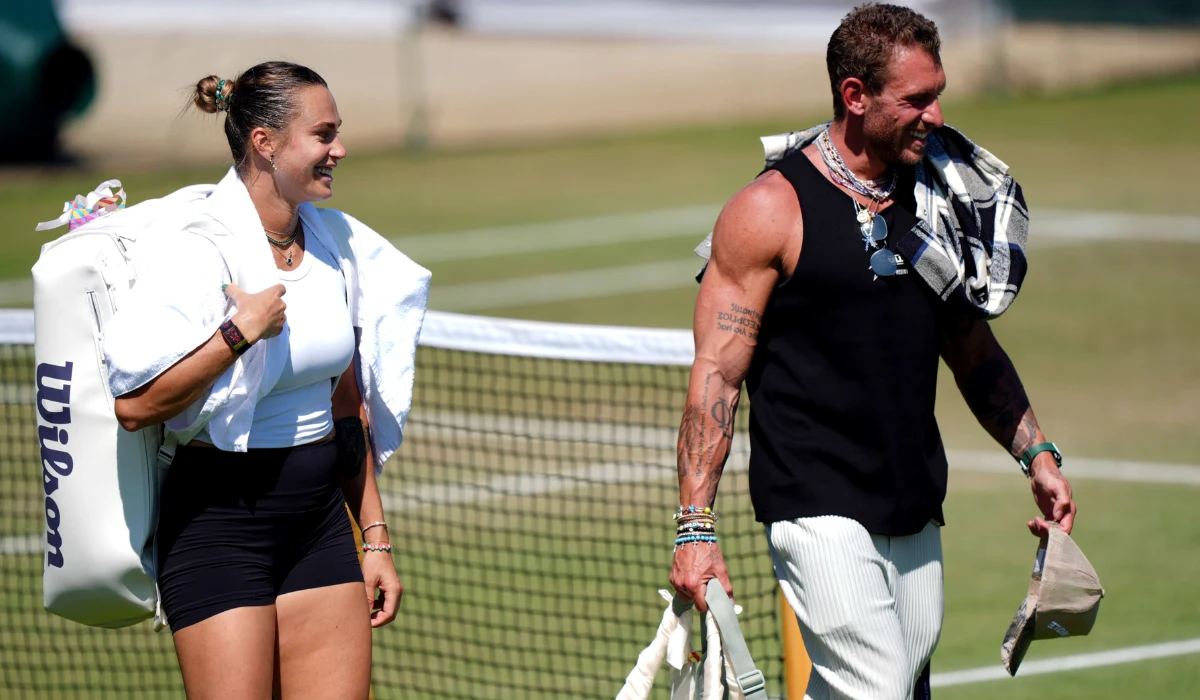
When Aryna Sabalenka bursts through the gates of Grand Slam tournaments, cameras will quickly focus on her player box; and increasingly there seems to be a focus on Georgios Frangulis—an entrepreneur who has built one of the world’s fastest-growing wellness food brands.
Many have likely wondered about how Frangulis fits into the "horse" and "butt" scene of that player box. Arguably, this is not the case at all as Frangulis represents something much bigger—a new breed of modern self-made global entrepreneurs whose wealth has been created by means of execution, and not by inheritance or hype.
As of June 30, 2026, Georgios Frangulis is being valued at about $75 million, which he has created almost entirely through the proliferation of Oakberry (a premium AÇAÍ bowl brand) from a single pop-up to a 900-location global business. For Indian readers interested in the wellness space; the intersections of celebrity and business; or founder-led brands, the journey of Georgios Frangulis contains a very unique combination of discipline, risk, and long-term
Please continue reading to understand the origins of how Georgios stood out from his contemporaries; and how they ultimately represented some of the best examples of healthy kitchens in a variety of countries.
The Businessman in the Australian Open Spotlight
The Australian Open is more than a tennis tournament—it is a global stage for performance, fitness, recovery, and endurance. That context explains why Georgios Frangulis’ presence alongside Sabalenka has drawn attention.
Oakberry, the company he founded, is deeply tied to sports nutrition and recovery culture. Açaí bowls are positioned not as desserts, but as functional food—rich in antioxidants, energy-supporting nutrients, and clean ingredients. These are precisely the values elite athletes prioritise during Grand Slams, where recovery between matches is critical.
For fans watching Sabalenka’s Australian Open campaigns, Frangulis’ visibility feels organic rather than promotional. His business operates in the same ecosystem as professional tennis: high-performance bodies, disciplined routines, and global travel.
The Oakberry Story That Built the Fortune
Oakberry was launched in São Paulo in 2016, when Frangulis was just 28. At the time, açaí was popular in Brazil but still niche elsewhere. Instead of treating it as a dessert or fad food, Frangulis positioned Oakberry as functional nutrition—clean ingredients, no artificial syrups, and a strong link to fitness culture.
The timing worked. Global consumers were beginning to shift away from sugar-heavy fast food toward superfoods, plant-based bowls, and post-workout meals. Oakberry expanded rapidly through franchising, hitting 100 stores within two years, and then accelerating across the US, Europe, the Middle East, and Australia.
By the early 2020s, Oakberry outlets were common sights in Dubai malls, Miami gyms, Australian beach towns, and European city centres—all without compromising brand consistency. This operational discipline is central to Frangulis’ personal wealth.
Georgios Frangulis Net Worth in 2026: How $75 Million Was Built
Frangulis’ estimated $75 million net worth is anchored in his equity stake in Oakberry, rather than cash exits or stock market listings. The biggest inflection point came in 2023, when Oakberry raised $67 million in external funding, valuing the company at several hundred million dollars.
That funding round did two things:
-
Validated Oakberry as a global-scale business
-
Cemented Frangulis’ position as a high-equity founder-CEO
Because Oakberry remains privately held, exact ownership percentages are undisclosed. However, industry analysts widely attribute the bulk of Frangulis’ wealth to long-term founder equity, not short-term monetisation.
Early Life: From Law School to Entrepreneurship
Born on September 9, 1988, in São Paulo to Greek parents, Frangulis initially pursued law at FAAP (Fundação Armando Alvares Penteado). He has since acknowledged that legal training sharpened his contract and negotiation skills—but business, not courtrooms, held his attention.
Time spent in Miami and Venice Beach exposed him to fitness-driven food culture, where smoothies, bowls, and clean-label nutrition were already mainstream. That exposure shaped Oakberry’s future identity long before it became a brand.
His pivot reflects a broader reality: many modern founders don’t discard formal education—they repurpose it.
Motorsport Influence: Branding Beyond Food
Unlike most food founders, Frangulis has a parallel identity in motorsport. Between 2021 and 2022, he competed in 128 Porsche GT3 races, developing a deep connection with racing culture.
Oakberry later became a sponsor of the BWT Alpine Formula 1 team, placing the brand in one of the most premium visibility environments in global sport. For Frangulis, motorsport mirrors entrepreneurship—high risk, tight margins, and relentless execution.
While racing is expensive, the branding return has amplified Oakberry’s global recognition, especially among younger, fitness-focused consumers.
Media Spotlight and Aryna Sabalenka Connection
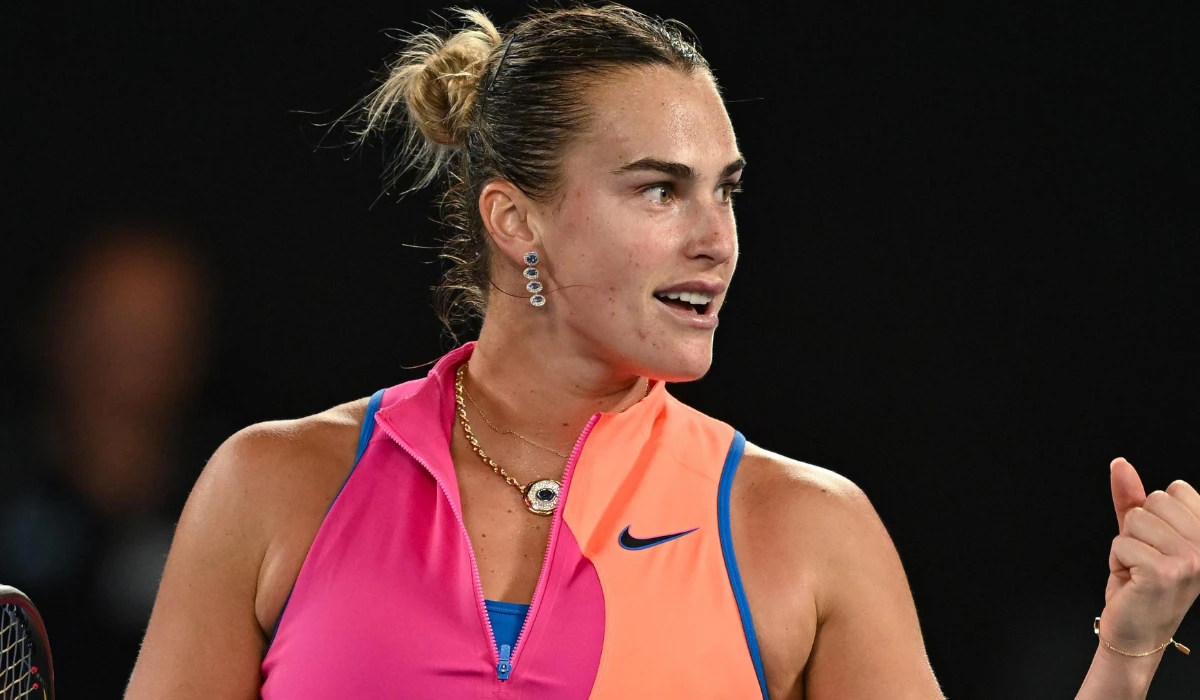
Public attention around Frangulis surged after reports confirmed his relationship with Aryna Sabalenka, the world No.1 tennis player. The two have been linked since 2024, with Frangulis frequently seen supporting her during major tournaments, including the US Open and Australian Open.
It is important to separate finances from fascination:
-
There are no shared business assets
-
Sabalenka’s estimated $40M+ career earnings are independent
-
Frangulis’ wealth predates the relationship
What the pairing does highlight is the growing overlap between elite sport, wellness branding, and lifestyle entrepreneurship.
Revenue Engine: Why Oakberry Scales Profitably
Açaí is not an easy product to scale. It has a short shelf life, requires cold-chain logistics, and depends on consistent sourcing from Brazil. Oakberry solved this through centralised supply agreements and strict franchise standards.
Industry benchmarks suggest:
-
Franchise-level margins of 20–30%
-
Estimated system-wide annual sales exceeding $200 million
This disciplined model explains why Frangulis’ net worth is viewed as structurally durable, not trend-driven.
Personal Setback That Shaped Leadership
During Oakberry’s early years, Frangulis was diagnosed with cancer, a chapter he has spoken about in podcasts and interviews. His recovery coincided with Oakberry’s global breakout, shaping what he calls a “spiritual but disciplined” approach to business.
Rather than slowing expansion, the experience reinforced his long-term mindset—build systems that survive founders, cycles, and crises.