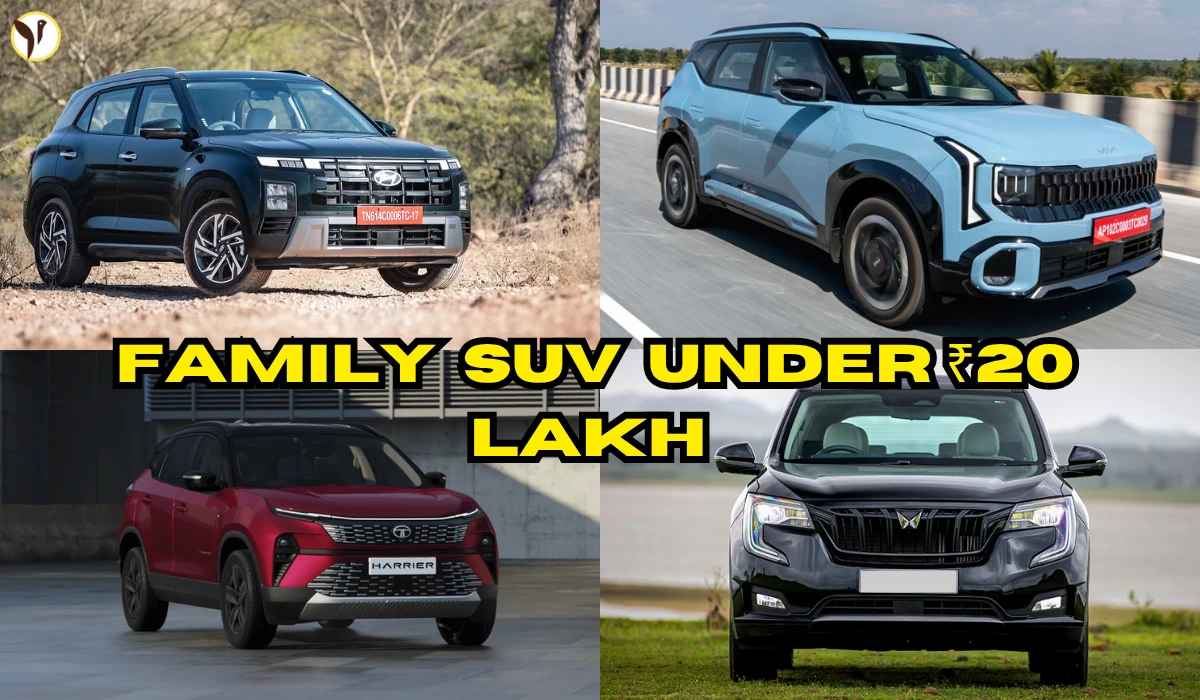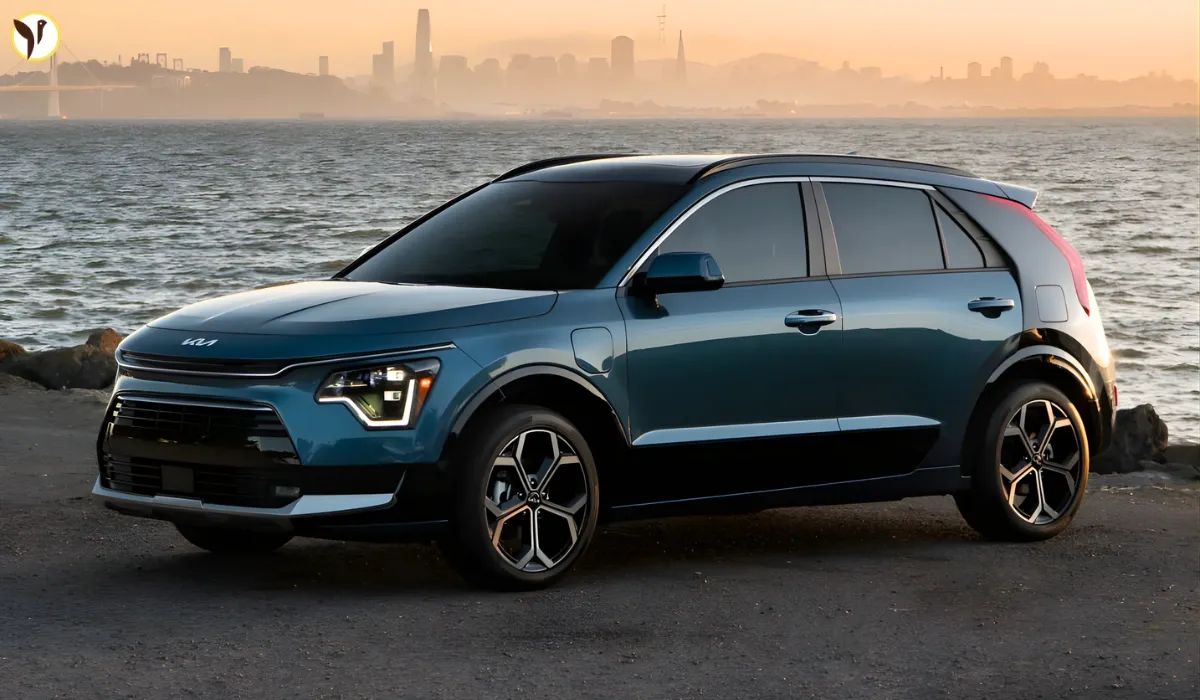


India's car market in 2025 was nothing short of spectacular, with SUVs dominating the scene and EVs leading the charge toward a cleaner future. A game-changing GST 2.0 policy overhaul, which slashed tax rates on small cars, made some of the most popular models more affordable, fueling an already surging demand. Tata Nexon and Hyundai Creta continued to rule the roost, while fresh entries like the revamped Tata Sierra and Mahindra's rise to No.2 in sales redefined the market landscape. Maruti's Victoris won Indian Car of the Year (ICOTY) accolades amid the festive frenzy, underscoring the nation's growing appetite for innovation in the automotive space. Let's take a look at the top 10 cars of 2025, the best-sellers, and the breakout stars that are shaping the future of India's car market.
Tata Nexon: The Reigning Champion
Tata Nexon continued its reign as India's best-selling car in 2025, clinching the top spot in November for the third consecutive month. The car’s appeal grew with the new GST reforms that made sub-compact SUVs more accessible. With options ranging from petrol, diesel, to CNG, the Nexon (priced from Rs 8.10 lakh) is a fuel-efficient and safety-first SUV. Its 5-star Bharat NCAP rating, features like a 360-degree camera, JBL audio system, and an EV variant positioned the Nexon as a prime choice for urban buyers. With over 20% of sales coming from the electric variant, Tata is positioning the Nexon as the perfect blend of style, safety, and sustainability.
Sales Edge: Topped November charts due to GST changes.
Standouts: CNG option and ADAS features.
Rivals: Beats Hyundai Venue and Kia Sonet on safety.
Hyundai Creta: The Mid-Size SUV King
Hyundai Creta remained one of the most beloved mid-size SUVs in India, consistently ranking among the top five. With 17,344 units sold in November alone, this SUV has become a benchmark in the segment. Prices starting at Rs 11.11 lakh for the base model offer diesel and petrol engine options. The festive season saw an updated version with improved interiors, including a panoramic sunroof, upgraded infotainment system, and Level-2 ADAS, which appealed to family-oriented buyers looking for luxury, space, and safety.
Sales Edge: Consistent top-seller, even as competition intensifies.
Standouts: Strong torque from the diesel variant, new-gen features.
Rivals: Tata Harrier and Mahindra XUV700.
Maruti Suzuki Dzire: The Compact Sedan Leader
Maruti Suzuki Dzire has long been a staple in the Indian compact sedan category, and 2025 was no different. With the addition of CNG and enhanced features like 6 airbags, a heads-up display, and superb mileage (up to 33 km/kg CNG), Dzire dominated the sub-4m sedan segment. Priced from Rs 6.51 lakh, it continued to be the car of choice for both families and fleet operators.
Sales Edge: High resale value and superior fuel economy.
Standouts: Best-in-class CNG efficiency.
Rivals: Honda Amaze and Hyundai Aura.
Maruti Suzuki Brezza: The Compact SUV Workhorse
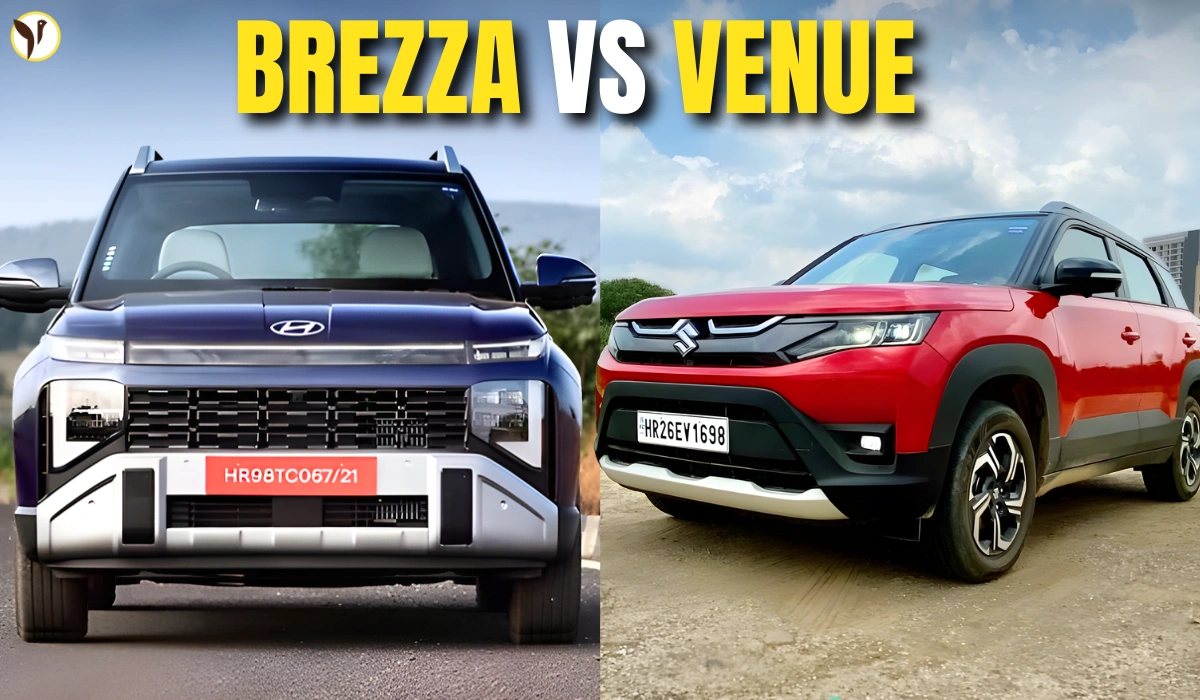
Despite stiff competition, the Maruti Suzuki Brezza (Rs 8.29 lakh) held strong in the top 5, thanks to its rugged design and reliable performance. The addition of ventilated seats, a 360-degree camera, and a 5-star NCAP safety rating ensured its continued popularity. Loved for its mild-hybrid technology and premium interior features, the Brezza proved its worth as a go-to compact SUV.
Sales Edge: Consistently in the top 5, perfect for city and highway drives.
Standouts: Excellent fuel efficiency, mild-hybrid system.
Rivals: Hyundai Venue, Tata Nexon.
Tata Sierra: A Nostalgic Comeback
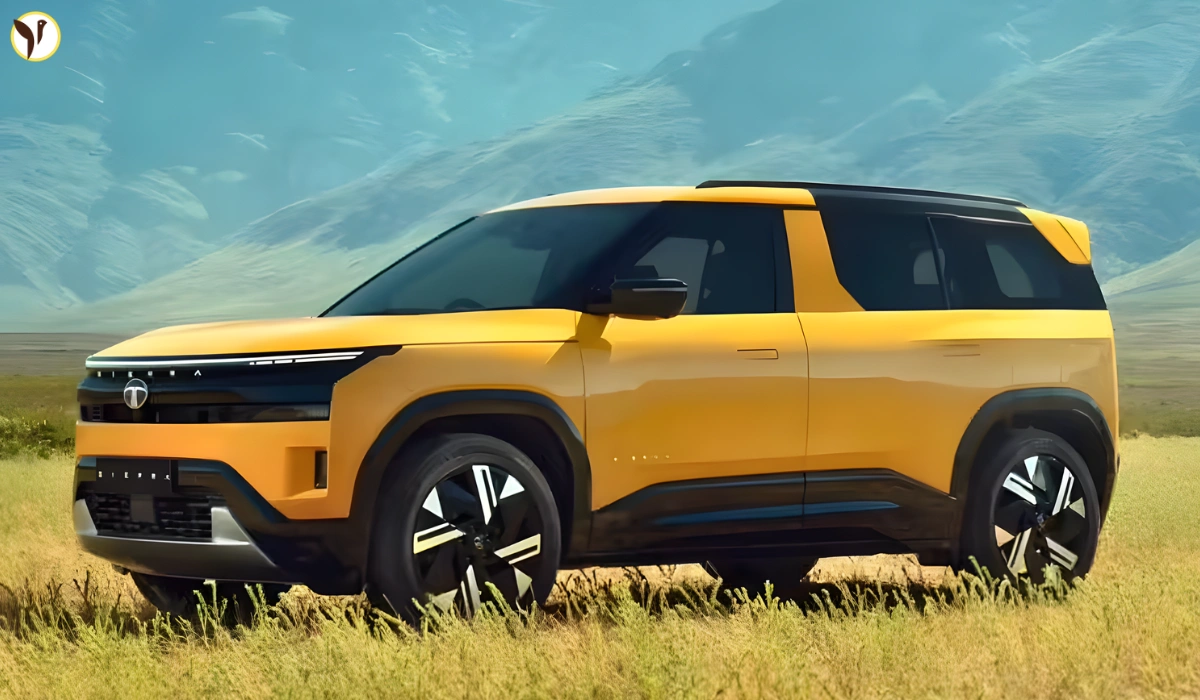
The Tata Sierra made an explosive comeback in 2025, with 70,000 bookings within 24 hours of its launch. This SUV, priced from Rs 11.49 lakh, evoked nostalgia with its retro design, while simultaneously offering cutting-edge technology. The Sierra features a 1.5L TGDi petrol engine, 2730mm wheelbase, and three large displays inside. Its impressive rear legroom, a first in its class, made it a hit with families looking for comfort and style.
Sales Edge: Record bookings upon launch.
Standouts: Retro-futuristic design, class-leading rear legroom.
Rivals: Hyundai Creta, Mahindra XUV700.
Maruti Suzuki Victoris: ICOTY Winner
Maruti’s Victoris made history by winning the prestigious Indian Car of the Year (ICOTY) award in 2025, edging out competitors like the XEV 9e and Hyundai Venue. The Victoris impressed with its innovative underbody CNG, strong-hybrid engine (28 kmpl), and ADAS features, making it a standout in the eco-conscious family segment. Priced from Rs 10.5 lakh, this car provides an AWD option and high-quality sound system, making it perfect for long drives.
Sales Edge: Winner of ICOTY 2025.
Standouts: Underbody CNG technology, hybrid efficiency.
Rivals: Tata Nexon, Mahindra XUV300.
Mahindra XUV 3XO: The Value King
The Mahindra XUV 3XO (Rs 7.99 lakh) was a big hit in the sub-4m SUV segment, climbing charts with its rich feature set and affordable pricing. The panoramic sunroof, dual-zone AC, and ADAS were among its standout features, offering premium experiences at a budget-friendly price point. The XUV 3XO quickly became a favorite among value-conscious buyers looking for a powerful and safe compact SUV.
Sales Edge: Best-in-class features for its price.
Standouts: ADAS and panoramic roof.
Rivals: Kia Sonet, Tata Nexon.
Hyundai Venue: The Festive Facelift
Hyundai’s Venue saw a significant uptick in sales post its festive facelift. Priced from Rs 7.94 lakh, the updated Venue offered better cabin quality, a more premium feel, and excellent fuel efficiency (23 kmpl). With its compact design, it remains a top choice for urban families seeking a versatile car with plenty of features, like ventilated seats and wireless charging.
Sales Edge: Festive updates boosted popularity.
Standouts: Premium cabin, excellent fuel efficiency.
Rivals: Tata Nexon, Kia Sonet.
Kia Seltos: The Premium SUV
The second-gen Kia Seltos impressed with its lengthened 4.5m body and luxurious cabin upgrades. This mid-size SUV, priced around Rs 11 lakh, now features a refined turbo-petrol engine and ADAS for better safety and performance. With its new design, it captured the attention of those looking for a premium SUV without the hefty price tag.
Sales Edge: Premium design and spacious cabin.
Standouts: Long wheelbase, turbo-petrol engine.
Rivals: Hyundai Creta, Toyota Urban Cruiser Hyryder.
Mahindra XEV 9S: The Family EV
The Mahindra XEV 9S 7-seater EV (Rs 19.95 lakh) made waves as one of the most affordable electric SUVs in India. Based on the INGLO platform, the XEV 9S combines sustainability with practicality, offering a spacious 7-seater cabin and impressive electric range, making it a great choice for family road trips.
Sales Edge: Aggressive pricing for a 7-seater EV.
Standouts: Electric powertrain, family-friendly design.
Rivals: Tata Nexon EV, MG ZS EV.
EV & Policy Boost: The Bigger Picture
The electric vehicle (EV) market in India saw significant growth in 2025, with companies like Mahindra, Tata, and Tesla making major strides. The introduction of GST 2.0, which slashed taxes on smaller cars, further fueled the surge in demand, making these vehicles more affordable for a wider range of buyers. Tesla’s Model Y, priced at Rs 59.89 lakh, and Mahindra’s XEV 9S were notable highlights in the EV boom.
EV Surge: 20% market share for EVs.
GST Win: 18% tax for small cars, fueling top-seller growth.
Sales Edge: Mahindra’s 5.81 lakh sales set a new SUV benchmark.
As 2025 wraps up, the Indian automotive landscape is poised for more evolution in 2026, with hybrid and electric vehicles playing a bigger role in shaping the future. The upcoming year promises even more competition and innovation as car manufacturers focus on offering consumers more choice, better features, and greener options.