

Something interesting is happening quietly at Volkswagen, and most people didn’t notice it at first. No big launch event, no loud announcement, just a single teaser image and a name that slowly started getting attention. A new pickup truck is coming, and it’s called the Volkswagen Tukan.
The name sounds light, almost fun, but the idea behind it is serious. This pickup is part of Volkswagen’s long-term plan for South America. It’s being designed, engineered, and built locally, and it will arrive with modern tech, including a hybrid option. The more details come out, the more clear it becomes that this truck is not just another side project.
What Makes Volkswagen’s Tukan Pickup So Different From Others
The Volkswagen Tukan pickup is a brand-new compact truck that will sit below the Amarok in VW’s lineup. It is being developed mainly for South American markets, where compact pickups are hugely popular for work, family use, and daily driving.
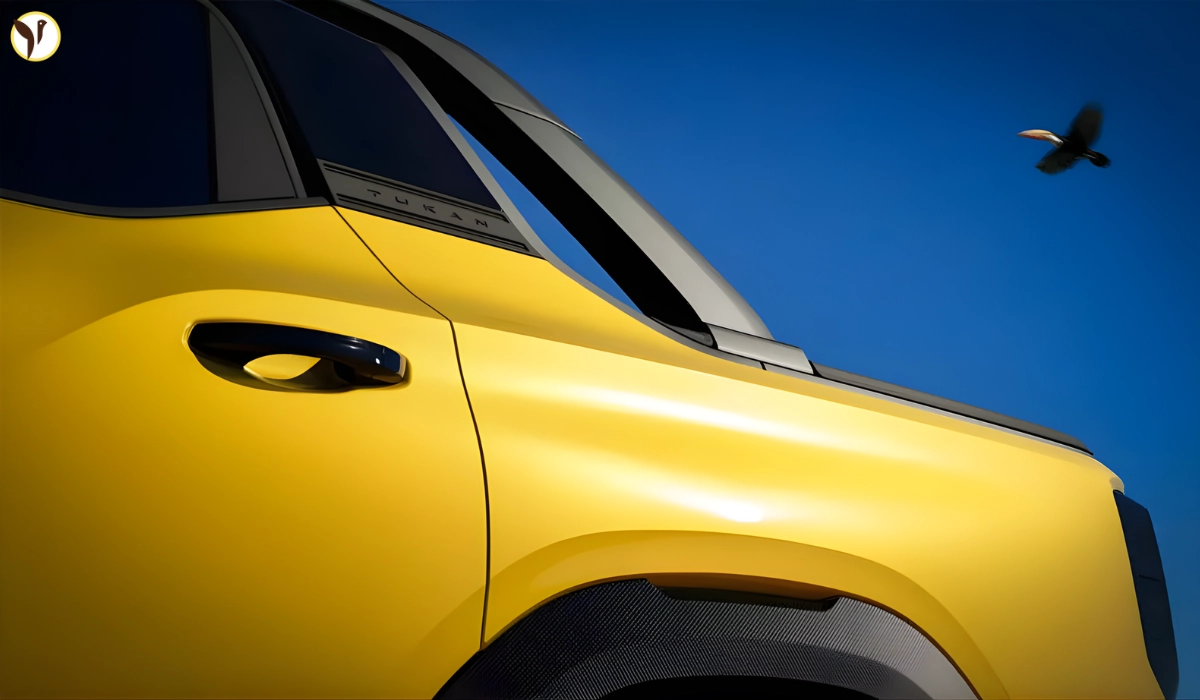
Volkswagen has officially confirmed the Tukan name and recently released its first teaser image, giving us an early look at the truck’s shape. The design looks modern and confident, not old-school or boxy. This is clearly a pickup meant to live in cities as much as on rough roads.
What makes the Tukan special is that it blends utility with newer ideas like hybrid tech and lifestyle design, something buyers in this segment are starting to ask for.
Behind this decision is pure market reality. Pickups now account for nearly one out of every five vehicles sold in Brazil. Volkswagen sees this category growing fast, driven by agribusiness, rural expansion, and the simple fact that many roads in Brazil and Argentina still demand tough, durable vehicles. For VW, not being present here would mean missing a massive opportunity.
Why Volkswagen Trusted Brazil to Build the New Tukan Pickup
One thing Volkswagen is stressing is that the Tukan is not a global copy-paste model. The truck is designed and developed in Brazil, with local engineers leading the project.
Production will take place at Volkswagen’s São José dos Pinhais plant, located in the state of Paraná. This same facility already builds several important VW models, and it’s now being prepared for the Tukan’s arrival starting in 2027.
Volkswagen has backed this project with a massive investment of around €570 million. This funding is part of a much larger plan, where Volkswagen is committing roughly 20 billion reais across South America through 2028. The goal is to expand its lineup, modernize factories, and strengthen its position in high-demand segments like pickups.
Company leadership has made it clear that Brazil is no longer just a production base, but a strategic center for future products.
First Teaser Image Reveals More Than You Think
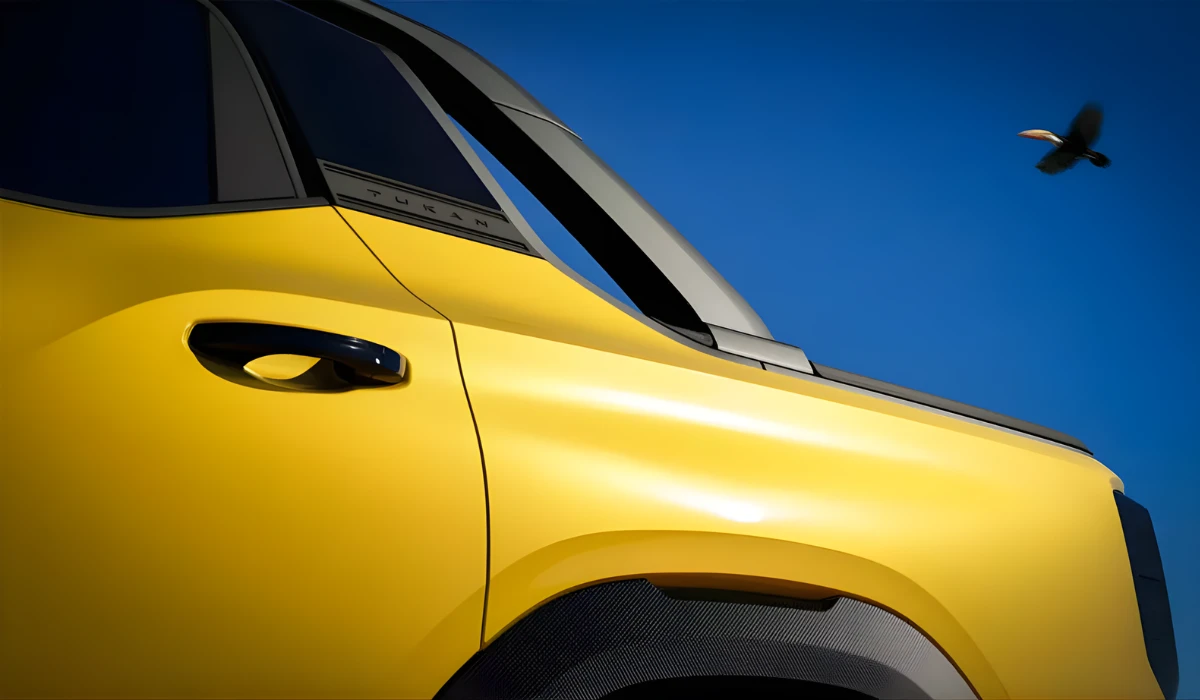
Even though Volkswagen is keeping details limited, the teaser image of the Volkswagen Tukan pickup exterior actually tells us quite a lot if you look closely.
The truck appears to have a short cargo bed, suggesting it’s aimed more at lifestyle and daily use than heavy-duty hauling. There are plastic bars that visually flow into what looks like a roof rack, hinting at outdoor and adventure use.
Other small details stand out too:
-
A blacked-out rear pillar with Tukan badging
-
Angular shoulder lines along the body
-
Chunky plastic fender flares
-
Black door handles
-
Stylized rear doors and a rising beltline
Overall, the design looks tough but modern, with no unnecessary drama.
The Color That Separates Volkswagen Tukan from Rivals
One surprising detail Volkswagen openly shared is the focus on color. One of the launch colors for the Tukan will be Canary Yellow, and the company seems genuinely proud of it.
Volkswagen says the color was chosen to reflect energy, confidence, and the bold personality of the truck. It also connects nicely with the toucan inspiration, known for its bright and eye-catching look.
In simple terms, VW wants the Tukan to stand out on the road, not blend in. Canary Yellow helps do exactly that, especially in markets where colorful vehicles are popular.
How Volkswagen Came Up With the Tukan Name
Naming a vehicle sounds easy, but Volkswagen says it was anything but. The company wanted a name that felt short, strong, and universal, while still connecting to the region where the truck will be sold.
According to Volkswagen’s Brazil leadership, dozens of names were tested and discussed across teams like marketing, engineering, and legal. Each option was checked for pronunciation, memorability, and how it would work across different cultures.
In the end, the name Tukan was chosen because it reflects a bird native to South America that is instantly recognizable, confident, and colorful. For Volkswagen, it also represents a shift toward vehicles with strong regional identity but global appeal.
Did Volkswagen Just Rewrite the Rules With the Tukan Hybrid
One of the most important confirmations around the Volkswagen Tukan pickup specifications is that a hybrid version is planned.
Volkswagen hasn’t released technical numbers yet, but the decision is very strategic. Hybrid power can help reduce fuel use, improve low-speed torque, and meet future emissions rules without sacrificing toughness.
This matters even more as Volkswagen prepares for expected market growth. Company executives have already expressed confidence that the Brazilian auto market will strengthen in 2026, supported by expected interest rate cuts. Volkswagen believes its sales can grow much faster than the overall market, helped by strong performers like the Polo, T-Cross, Taos, Tiguan, and the recently launched Tera.
The Tukan is expected to ride that momentum.
Inside the Volkswagen Tukan Pickup Interior
While the Volkswagen Tukan pickup interior has not been shown yet, expectations are clear based on VW’s recent vehicles.
The cabin is expected to focus on:
-
Simple, clean layout
-
Digital displays
-
Smartphone connectivity
-
Practical storage spaces
-
Strong build quality
This pickup is meant to handle daily work, long drives, and rough roads, so ease of use and durability will matter more than fancy features.
2027 Volkswagen Tukan Specifications
|
|
|
|
|
|
|
|
|
|
|
|
|
|
|
|
|
|
|
|
|
|
|
|
|
|
|
|
|
|
Is the Volkswagen Tukan the Start of VW’s Pickup Takeover
The Tukan is not launching alone. Volkswagen has confirmed that it is one of 21 new product launches planned for South America by 2028.
This confirms how serious the company is about the region. Leadership has described the pickup as a strategic turning point, highlighting trust in local engineering teams and Brazil’s growing role inside the global Volkswagen Group.
Recent gains in market share have only strengthened that confidence, with Volkswagen aiming to grow at several times the market average in the coming years.
ALSO READ:
- Capricorn 01 Zagato: The €2.95M Beast That Hates Screens
- California Mileage Tax: AB 1421 and the Future of Driving
- Lucid Just Built the Prototype That Will Save the Company
- IM LS9 Hyper: This Massive SUV Turns Like a Mini Cooper!
- Porsche’s New Era: Tobias Sühlmann Replaces Taycan Godfather
- Russo-Balt F200: First Look at the World’s Toughest EV Van
- Genesis X Skorpio Concept: 1,100-HP Off-Road Beast Unveiled
- 2027 Hyundai Santa Fe Facelift Spy Shots Reveal Big Updates
Source(Image / Thumbnail): www.carscoops.com