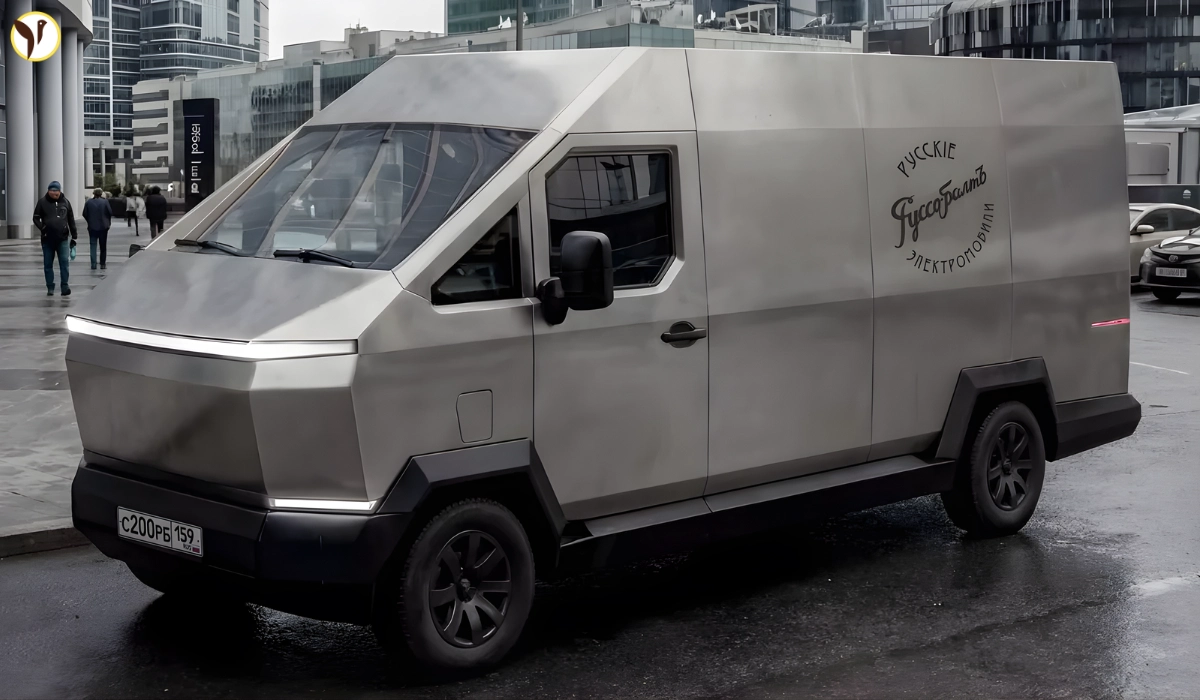


At first glance, the Russo-Balt F200 does not look like a normal van at all. It looks more like something pulled out of a sci-fi movie, and that’s probably why people started talking about it so fast. Russo-Balt, a small Russian automaker using a very old historic name, has shown its new electric van concept and it already feels bold, risky, and very different.
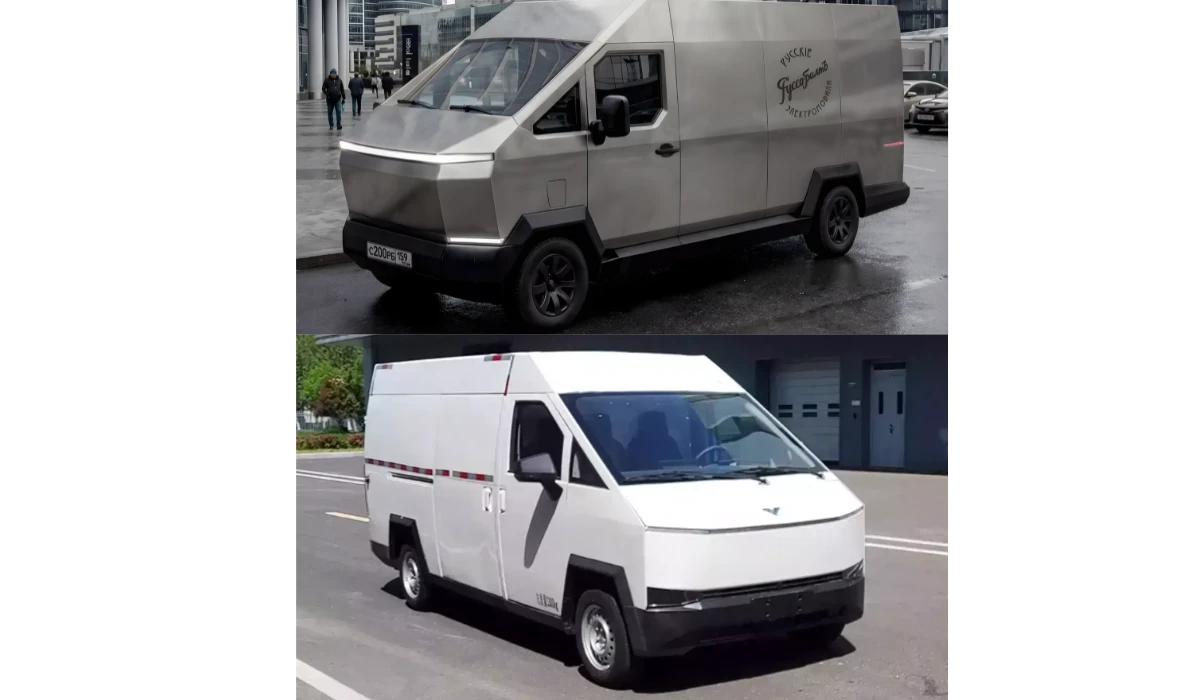
The company is clearly trying to stand out in a crowded EV world. Instead of smooth curves and soft lines, this van uses sharp edges and flat metal panels. Many people online are comparing it to Tesla’s Cybertruck, even though Tesla never made a Cybervan. Russo-Balt says this design is fully original, and not copied from anyone. Whether people agree or not, one thing is clear — this van gets attention quickly.
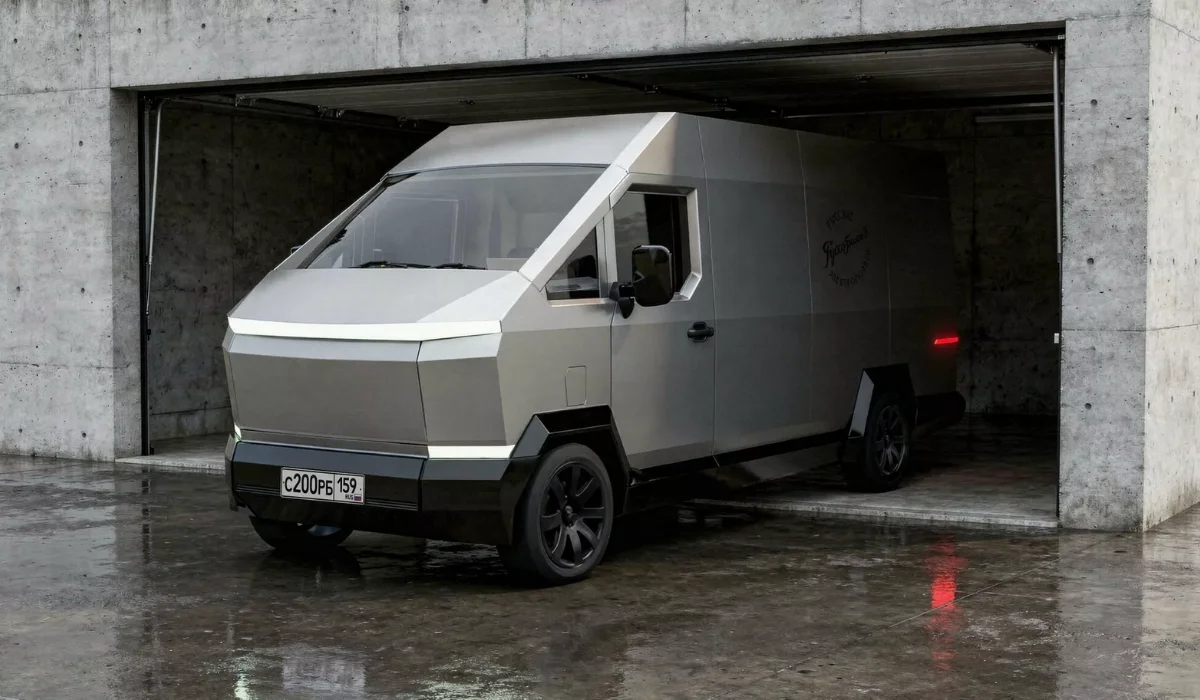
Russo-Balt F200 Exterior Feels Tough and Industrial
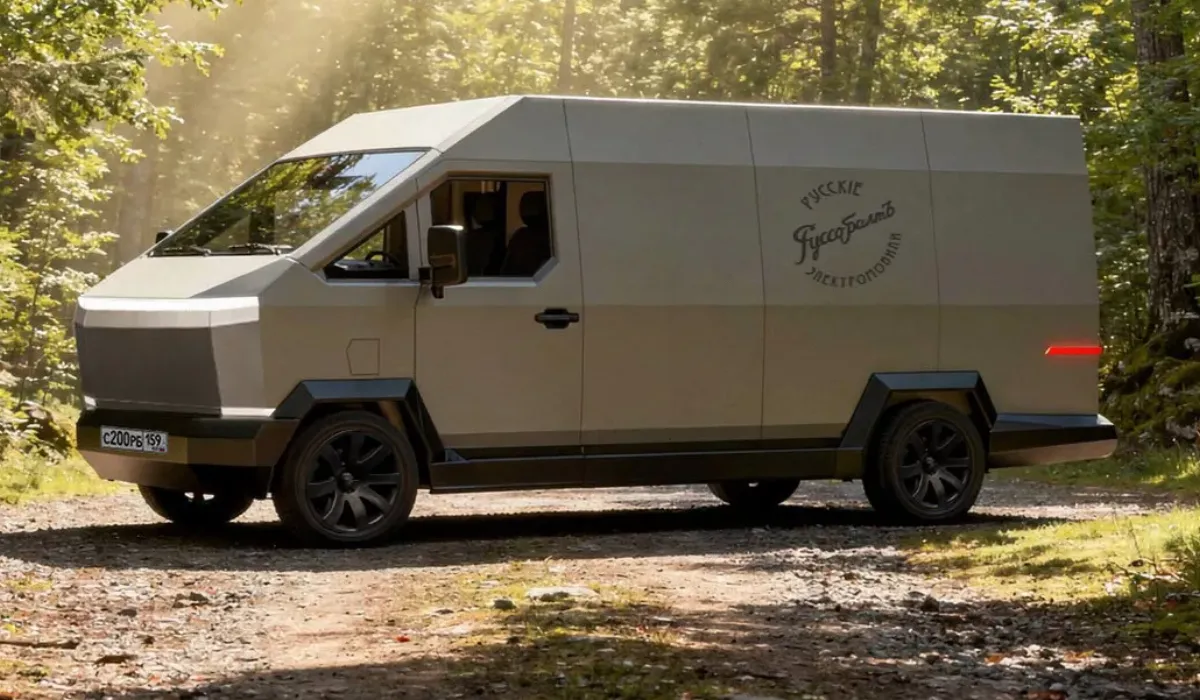
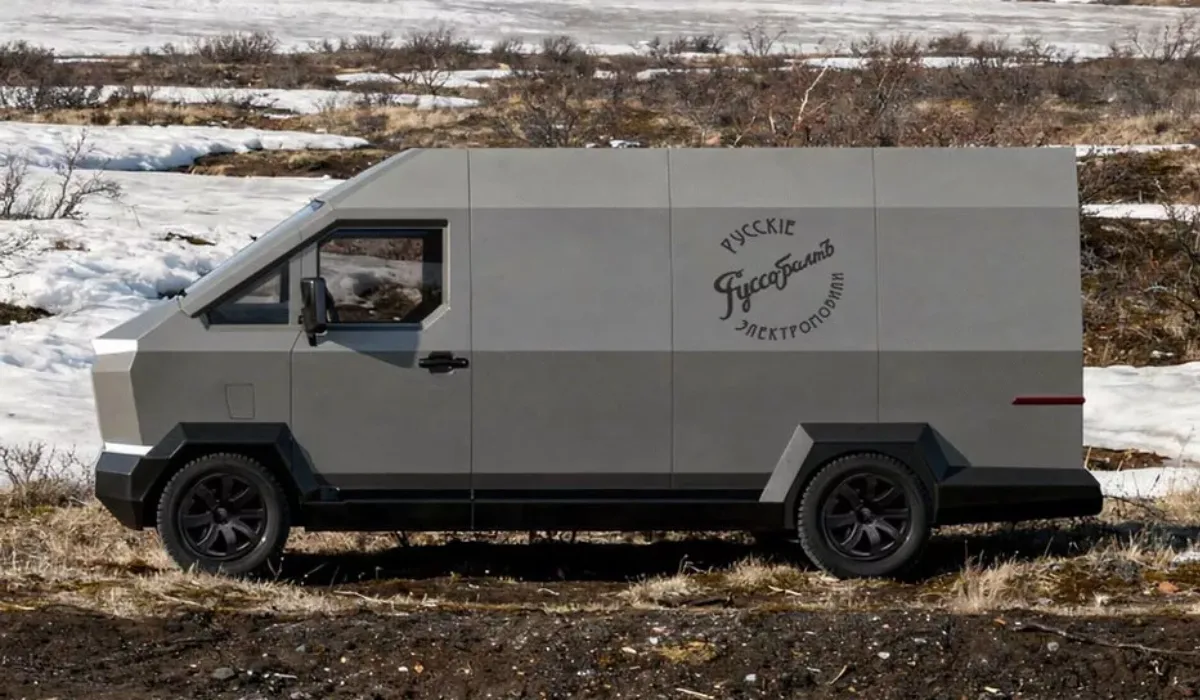
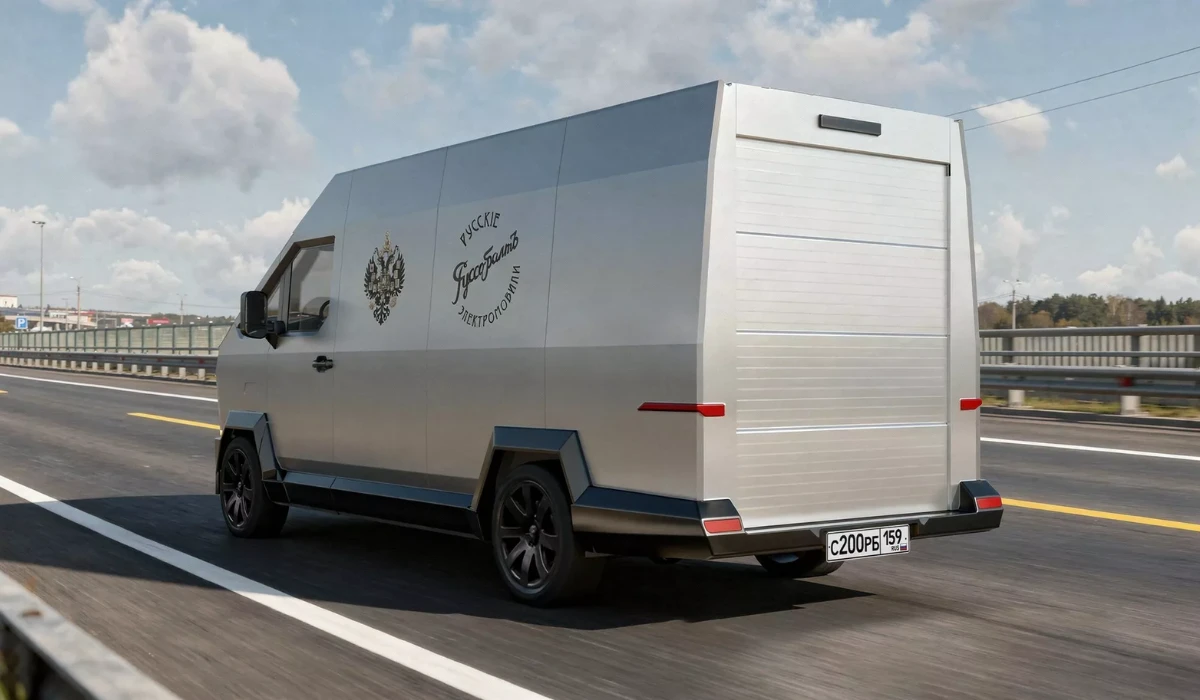
The Russo-Balt F200 exterior is where most of the drama is happening. The entire body is made from hand-welded stainless steel, which is not common for vans at all. This material gives it a raw, industrial feel, almost like a moving metal box. The sharp lines, flat doors, squared wheel arches, and simple light design all push the same idea — strength over beauty.
Russo-Balt claims this stainless steel body is so durable that it comes with a 100-year body warranty, which honestly sounds wild. The company says the material resists corrosion and damage better than painted steel. It’s also designed to handle rough weather and tough roads. From the outside, it doesn’t try to look friendly or soft. It looks serious, almost stubborn, like it doesn’t care if you like it or not.
Inside the Russo-Balt F200 Interior Is Simple but Thoughtful
Step inside, and the Russo-Balt F200 interior feels much calmer compared to the outside. It is not luxury, but it is practical. The dashboard is clean and centered around a large 14-inch touchscreen, which controls most vehicle functions. The system includes local media platforms and basic connectivity features, focused more on use than fancy looks.
Because this van is built for cold regions, heating is taken seriously. The seats, steering wheel, mirrors, windshield, and even the wipers are heated. That’s something many vans don’t offer as standard. The seating position is upright and van-like, giving a clear view of the road. It feels designed for long work days, not short city trips. It’s simple, but you can tell it was planned with real use in mind.
Russo-Balt F200 Performance Is Built for Daily Work
When it comes to Russo-Balt F200 performance, this van is not trying to be fast or sporty. It uses a single electric motor producing around 200 horsepower, which is enough for daily driving and carrying loads. Power goes to the front wheels, keeping the setup simple and efficient.
The van is built on a monocoque structure, which means the body itself helps support the vehicle. This allows it to carry a payload of up to 1,000 kg, making it suitable for deliveries, service work, or small business use. It’s not designed for racing or heavy off-road use, but for steady, reliable work. Acceleration is smooth like most EVs, and noise is very low, which can be helpful during long city drives.
Russo-Balt F200 Range and Charging Details
The Russo-Balt F200 range is claimed to be around 400 km (about 249 miles) on a full charge. This comes from a large 115 kWh battery pack, which is quite big for a van. This range should be enough for a full day of city driving or delivery work without charging in between.
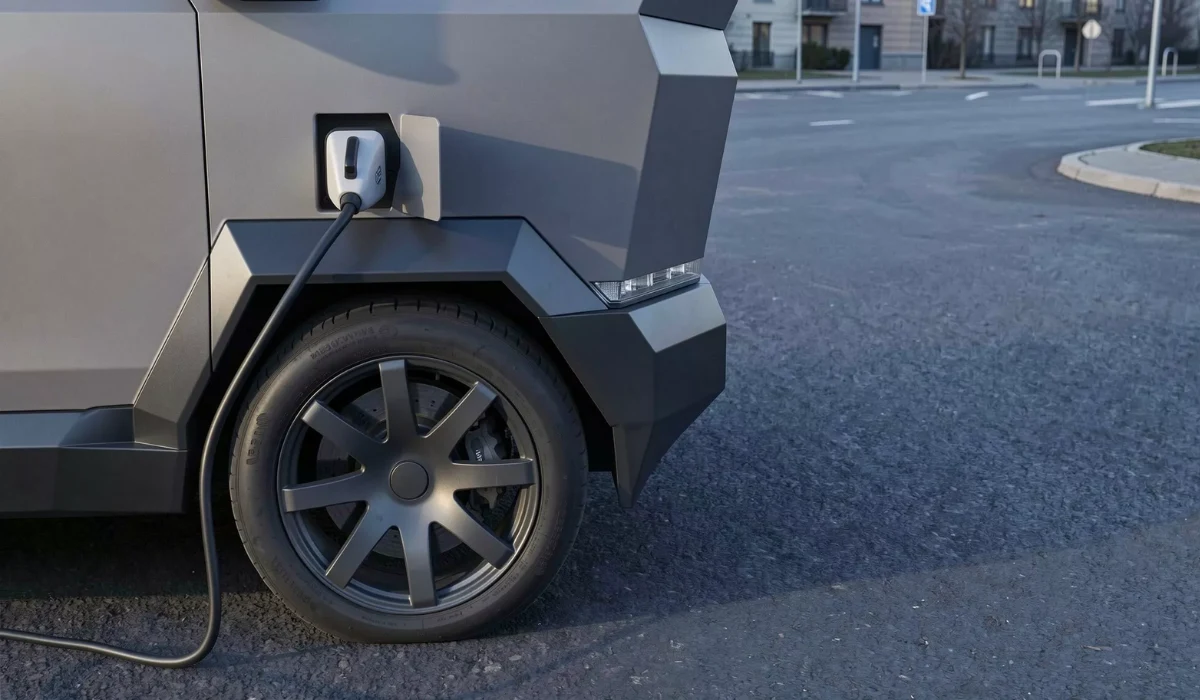
Charging is supported through DC fast charging, with the port placed on the front fender. While exact charging speeds are not shared yet, fast charging means it can recover a good amount of range during short stops. Russo-Balt has not shared full efficiency numbers, but the focus seems to be on usability rather than chasing record figures. For businesses, predictable range is more important than headline numbers.
Russo-Balt F200 Price and Production Plan
Now comes the big question — Russo-Balt F200 price. The company says the van will start at around 6.5 million rubles, which converts to roughly $85,000. That is expensive for a van, no doubt. But Russo-Balt explains this by saying the F200 is built on a made-to-order basis, not mass-produced in huge numbers.
Customers can reserve one with a small refundable deposit, and deliveries are expected to begin in 2027. Production will be limited, and buyers may be able to customize some details. This van is clearly not meant to compete with cheap delivery vans. It feels more like a statement product, aimed at buyers who want something unique, strong, and electric.
2027 Russo-Balt F200 Specifications
|
|
|
|
|
|
|
|
|
|
|
|
|
|
|
|
|
|
|
|
|
|
|
|
|
|
|
|
|
|
|
|
|
|
|
|
|
|
|
|
|
|
|
|
|
Conclusion
The Russo-Balt F200 is not just another electric van. It shows how smaller companies are trying bold ideas instead of playing safe. In a market full of smooth, similar-looking EVs, this van takes a hard turn in the opposite direction.
It may not be for everyone, and some people will dislike the design. But that’s kind of the point. Russo-Balt is trying to build something memorable. If the build quality matches the promises, the F200 could find a small but loyal audience. At the very least, it proves that the EV space still has room for strange, risky, and interesting ideas.
ALSO READ:
- Genesis X Skorpio Concept: 1,100-HP Off-Road Beast Unveiled
- 2027 Hyundai Santa Fe Facelift Spy Shots Reveal Big Updates
- Toyota’s Mystery SUV: Is an Electric Highlander Coming?
- Hemi V8 Comeback: Stellantis Plans 100K Engines for 2026
- Bugatti Veyron Tribute “Solitaire” Teased for 20th Anniversary
- 2027 Hyundai Santa Fe Facelift: Interior Leaks & What’s Next
- 2026 VW ID.4: The New 'Electric Tiguan' Brings Buttons Back
- 2026 Ford Mustang Dark Horse SC: Meet the New 'GTD Lite'
- Acura RDX Hybrid Confirmed — But Something Big Is Ending
Source(Image / Thumbnail): www.techeblog.com