

Sometimes the biggest changes don’t come with loud announcements. They show up quietly, wrapped in camouflage, testing on normal roads while most people drive past without noticing. That’s what’s happening right now with the Volkswagen ID.4.
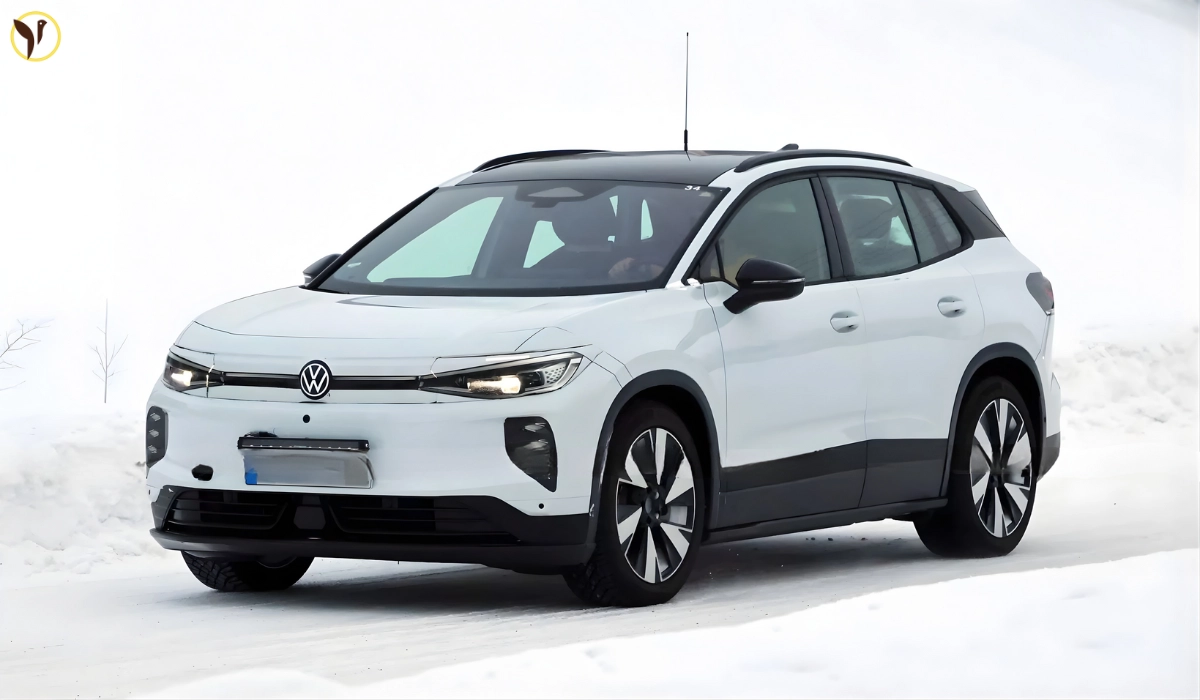
New spy shots have confirmed that VW is actively testing a facelifted version of its popular electric SUV. At first glance, it still looks like an ID.4. But once you look closely, it’s clear this is not just a small refresh. Volkswagen seems to be carefully reshaping the ID.4 to match its future electric direction, while fixing things owners have complained about for years.
And honestly, this update feels very necessary.
Volkswagen ID.4 Exterior Gets Squarer and More SUV-Like
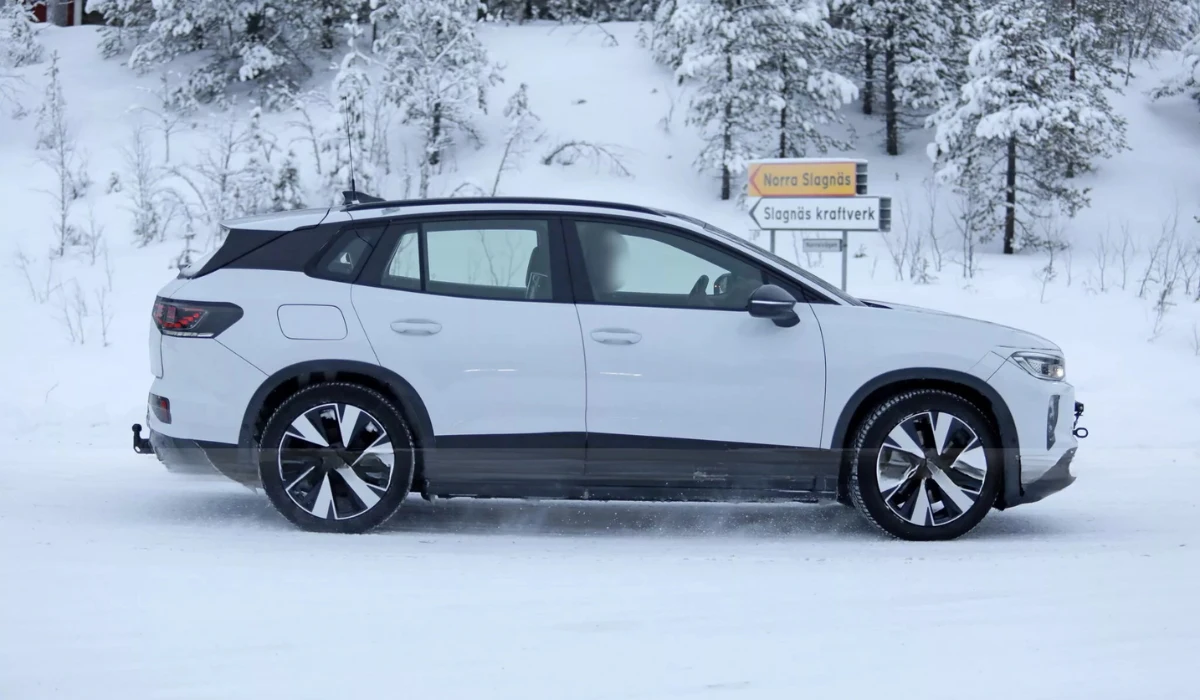
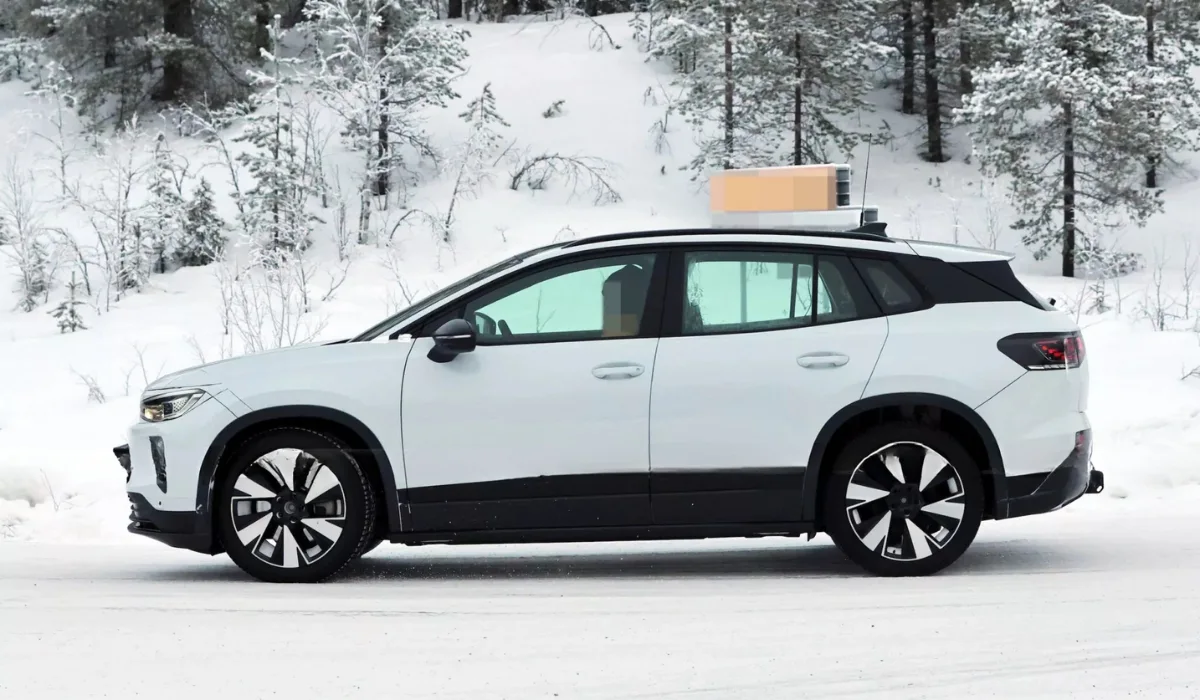
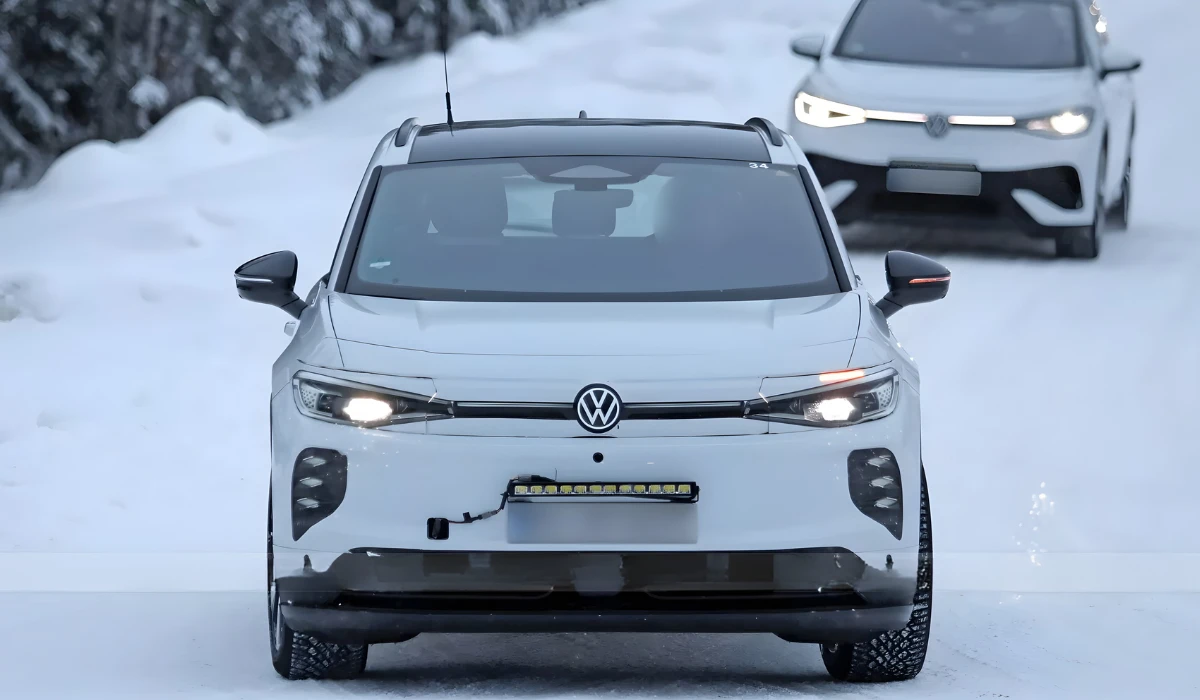
The Volkswagen ID.4 exterior is changing in a way that’s subtle but important. Spy images show a front end that looks squarer and more upright, moving away from the soft, rounded look of the current model. This sharper face lines up closely with the upcoming ID Cross concept and the latest Tiguan design language.
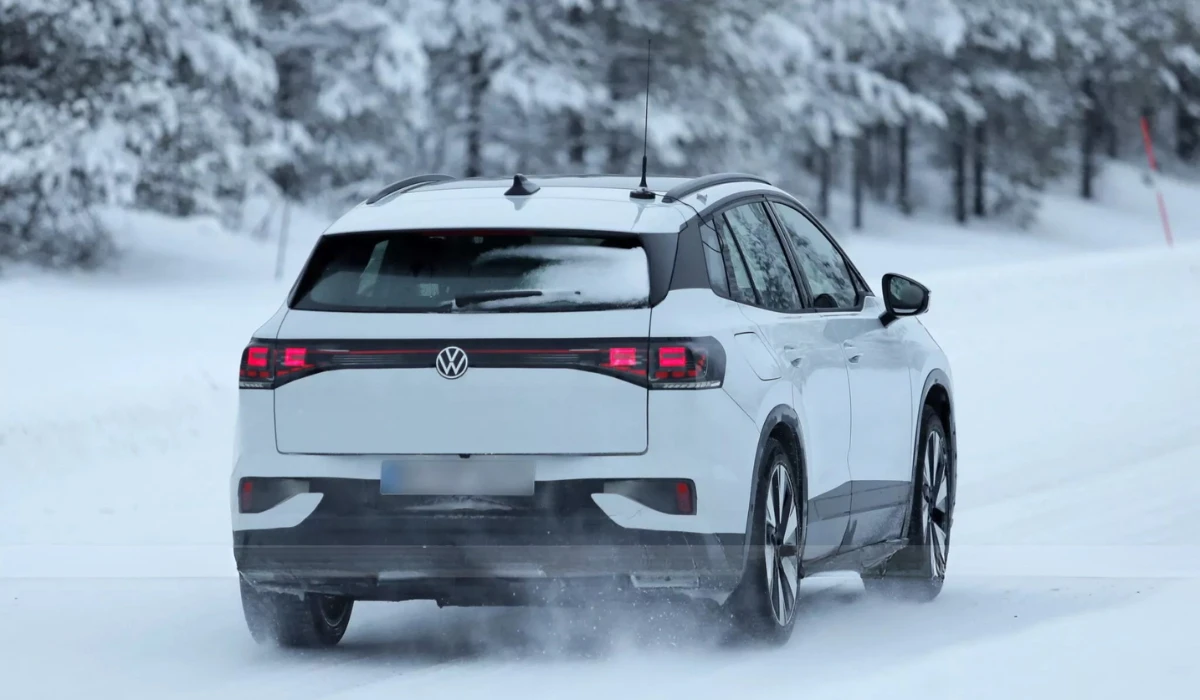
The doors are completely new and now use proper pull-type door handles, something many users missed earlier. Around the back, the rear hatch has been reworked. Instead of the old rounded tailgate, the new one appears slightly concave, giving the rear a tighter, cleaner look. The D-pillar has also been reshaped, making the profile feel more balanced.
It’s not a full redesign, but the surfacing tweaks bring the ID.4 visually closer to VW’s next-generation EVs.

Why This Update Feels Bigger Than a Normal Facelift
It’s important to be clear here. This is not a brand-new ID.4. The underlying body structure looks mostly unchanged, which is expected for a mid-cycle facelift. Volkswagen can only change so much without rebuilding the car entirely.
That said, the proportions have been adjusted just enough to make the SUV feel fresher. The ID.4 now fits better alongside newer VW models instead of looking like an older EV experiment. This approach also keeps costs under control, which matters a lot in today’s competitive electric market.
VW seems to be using this facelift as a bridge — modernizing the ID.4 so it stays relevant until the next-generation model arrives later in the decade.
Volkswagen ID.4 Interior May Be the Biggest Upgrade
Inside is where the Volkswagen ID.4 interior could see the most meaningful changes. Spy photographers haven’t captured clear cabin shots yet, but VW’s recent moves give us strong clues.
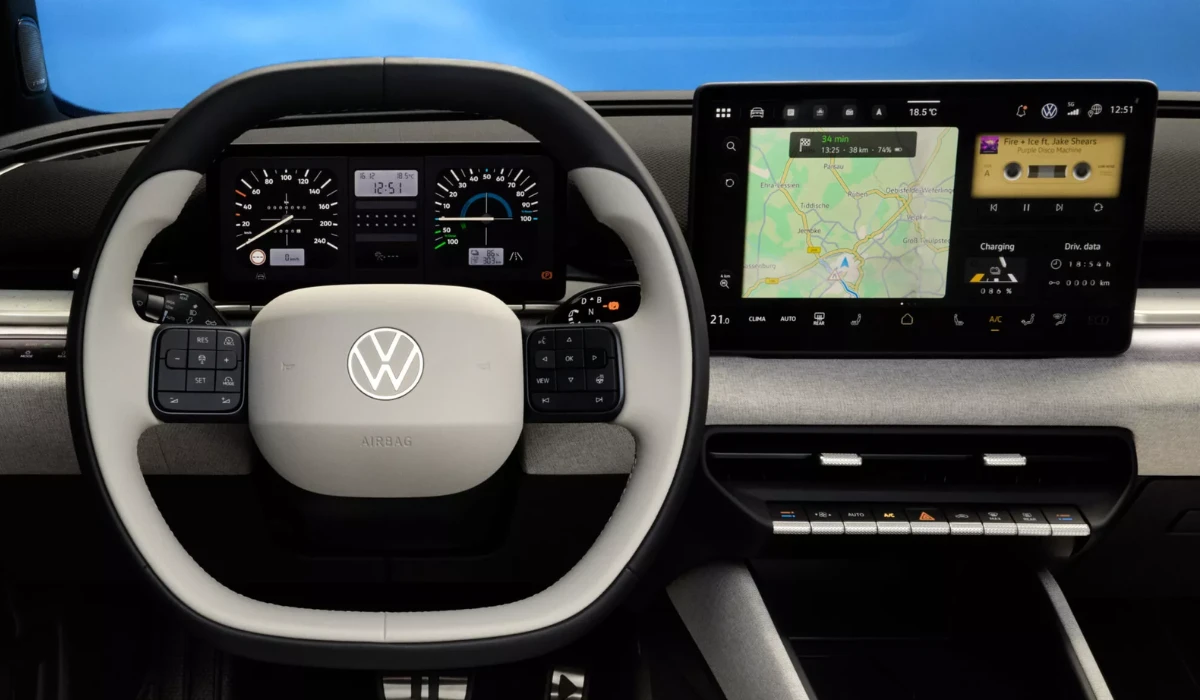
Physical buttons and switches are making a comeback, including a real volume knob. This alone will make many owners happy. The dashboard is expected to be redesigned with better materials and a cleaner layout. VW recently showed this new interior direction in the updated ID. Polo, and the ID.4 is likely following the same path.
The digital instrument cluster is also expected to grow in size, fixing one of the most common complaints. On top of that, the infotainment system should get a software upgrade with an improved AI-powered voice assistant, making daily use much easier.
What the New Platform Means for Daily Driving
Underneath, the facelifted ID.4 will ride on a revised MEB+ platform. This update is less flashy than an all-new architecture, but it still matters.
The new setup is expected to support LFP battery chemistry, which is known for better durability and efficiency. These batteries may help improve real-world range and reduce long-term ownership costs. However, the system is still expected to use 400-volt electrical architecture, not the faster 800-volt tech coming later.
So while charging speeds may not jump dramatically, overall efficiency and reliability should improve. For everyday users, that’s often more valuable than headline numbers.
Better Battery Smarter Power What VW Is Tweaking This Time
The Volkswagen ID.4 battery options may expand with this facelift. LFP packs could be offered on certain trims, while higher versions may continue with traditional lithium-ion batteries.
Powertrain changes are expected to be light, not radical. VW already improved the base single-motor ID.4 recently, boosting output to 282 hp, which was a big jump over earlier models. Because of that, the facelift likely focuses more on refinement than raw power.
Driving should feel smoother, more responsive, and better tuned for daily comfort rather than performance bragging rights.
Volkswagen ID.4 Performance That Feels Easy and Smooth
The Volkswagen ID.4 Performance philosophy stays the same. This SUV isn’t trying to be sporty or aggressive. Instead, it focuses on smooth acceleration, quiet cruising, and predictable handling.
All-wheel-drive versions are expected to continue, offering better grip in bad weather. Software tuning may improve throttle response slightly, making the car feel more alert without becoming harsh. For families and long-distance drivers, this calm driving style is actually a big plus.
Will the New Volkswagen ID.4 Go Farther on One Charge?
Range is still one of the top questions buyers ask, and the Volkswagen ID.4 range is expected to see a modest improvement. This likely comes from better efficiency rather than much larger batteries.
Small gains can make a big difference in real life, especially for people who charge less often. VW appears focused on improving usable range instead of chasing unrealistic lab numbers, which is a smart move.
What This Facelift Means for ID.4’s Future
This facelifted ID.4 is expected to arrive near the end of 2026, and it will help carry the model through to around 2028. After that, a fully new electric SUV is planned, based on a true 800-volt platform.
That future model is widely expected to be called the ID.Tiguan, replacing the ID.4 entirely. For now, this update keeps the ID.4 fresh, competitive, and aligned with VW’s future electric identity.
Why Rising Volkswagen ID.4 Prices Are Putting VW Under Pressure
This facelift isn’t happening in isolation. The Volkswagen ID.4 Price has quietly become a serious talking point, and not in a good way for VW. When the ID.4 first launched, it felt like a solid value electric SUV. But today, the starting price has climbed well above what many buyers expected, while rivals from Tesla, Ford, and Hyundai are offering more features or longer range for similar or even lower money.
That growing pressure seems to be pushing Volkswagen into something bigger than a normal refresh. People close to the project suggest this update is being treated almost like a soft reboot. Internally, the facelifted ID.4 is even being referred to as an “electric Tiguan”, which explains the sharper design, interior rethink, and platform updates. There’s also quiet talk that VW could officially rename it ID. Tiguan, giving it a clearer identity. If the tech, design, and driving experience improve enough, VW may finally have a strong reason to justify the higher price tag — instead of apologizing for it.
Volkswagen ID.4 Specifications (Expected)
|
|
|
|
|
|
|
|
|
|
|
|
|
|
|
|
|
|
|
|
|
|
|
|
|
|
|
|
|
|
Conclusion
The facelifted Volkswagen ID.4 isn’t trying to reinvent itself. Instead, it’s fixing what didn’t work, sharpening what already did, and quietly preparing for the future. With a more confident design, improved interior usability, updated platform, and smarter battery options, this update feels like VW finally getting the ID.4 exactly where it needs to be.
For buyers waiting on the sidelines, this version might be the one worth waiting for.
ALSO READ:
- 2026 Ford Mustang Dark Horse SC: Meet the New 'GTD Lite'
- Acura RDX Hybrid Confirmed — But Something Big Is Ending
- Classic British Interceptor-Inspired Coupe With V8 Planned
- 2026 Renault Filante SUV Is Nothing Like Any Renault Before
- Renault Alpine GTA Turbo Found in US After 30-Year Mystery
- Nio ES9 Electric SUV Is China’s Longest EV With 697 HP Power
- Alfa Romeo Giulia Quadrifoglio Luna Rossa Cuts Top Speed
- SAIC Z7 EV Looks Like Porsche Taycan, But It’s Not One
- 2026 Hyundai Elexio Enters Model Y Fight With 546km Range
Source(Image / Thumbnail): autos.yahoo.com