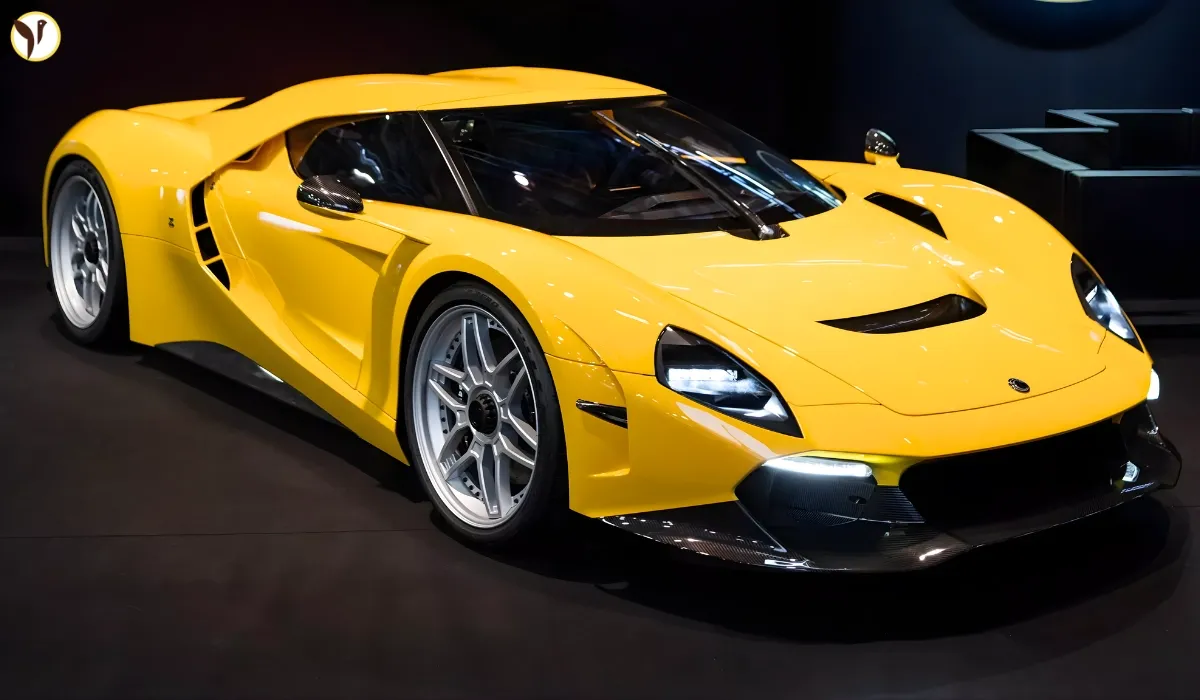
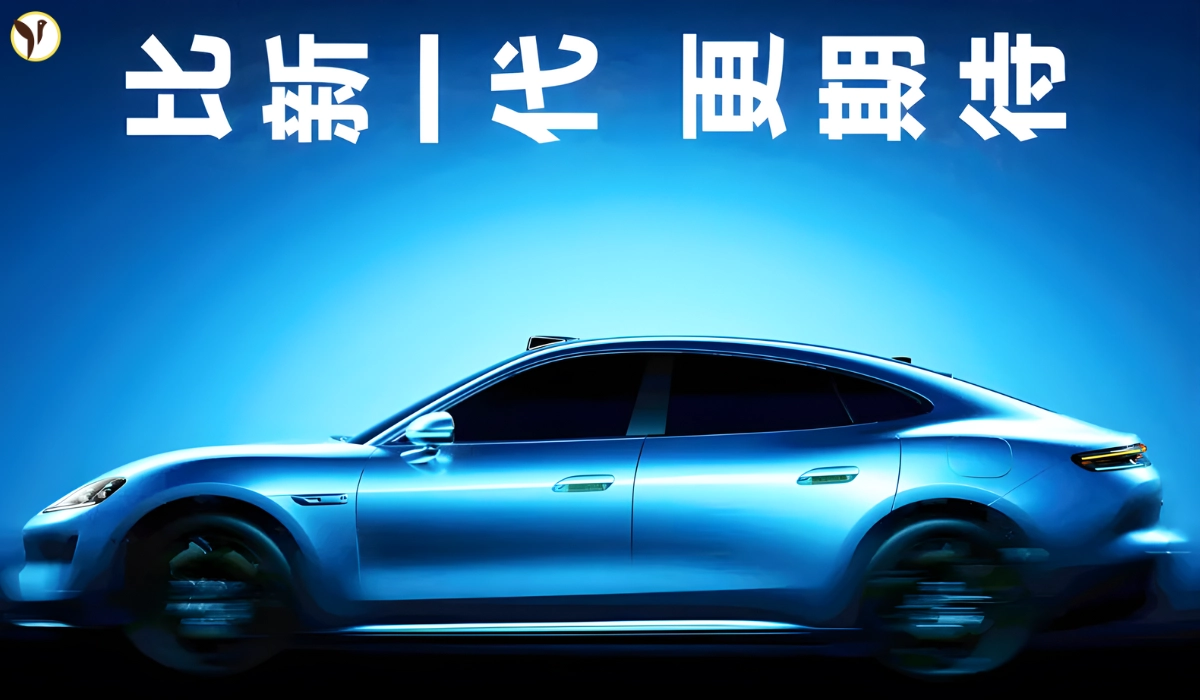


At first glance, this new electric car feels oddly familiar. The shape, the stance, even the way it sits on the road makes you stop scrolling for a second. Many people online thought it was a Porsche at first. But then they looked again. The badge wasn’t right. The lights looked different. And there was a strange bump on the roof that Porsche doesn’t use. That’s when the questions started. What is this car? And why does it look so close to something we already know?
That’s how the SAIC Z7 electric sedan quietly entered the spotlight.
Why the SAIC Z7 Is Getting So Much Attention Right Now
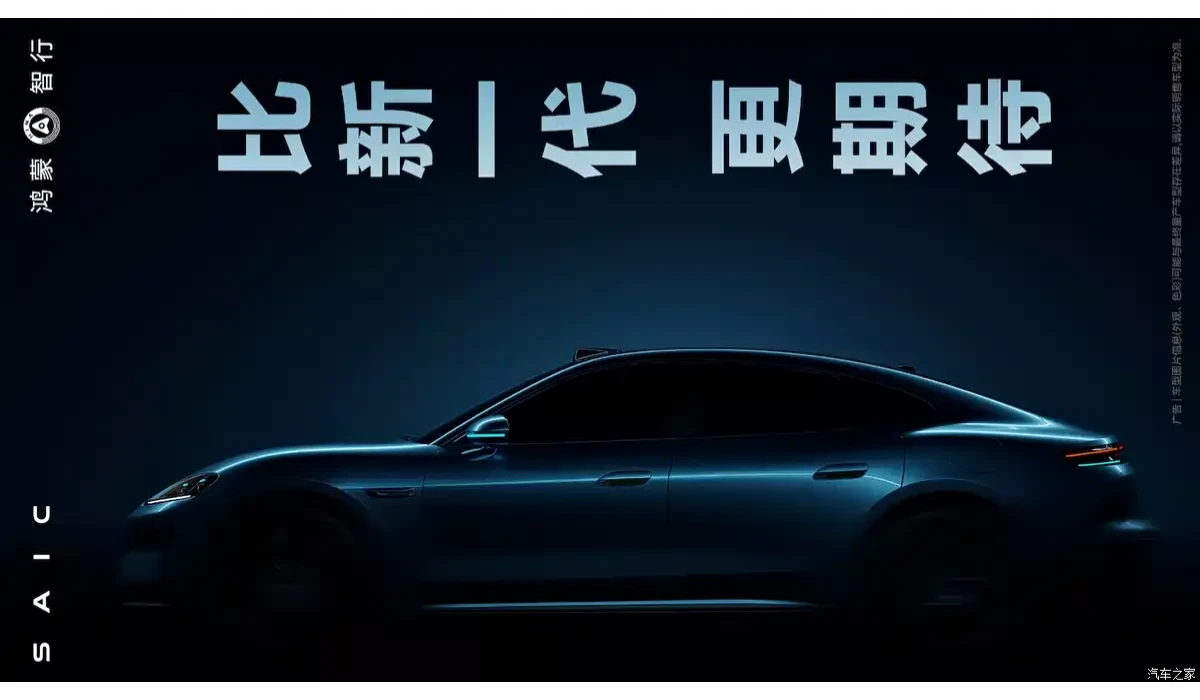
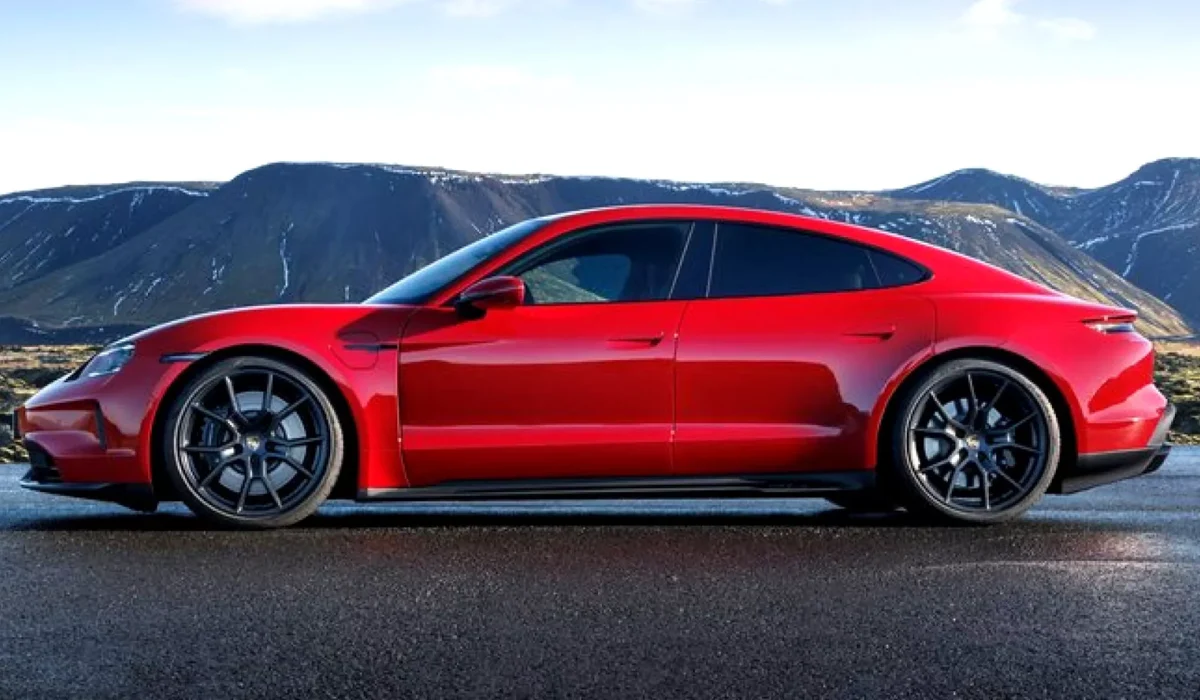
The SAIC Z7 is a new electric sedan being developed under SAIC Motor’s Shangjie brand. It recently appeared in official teaser images and road testing shots, and the reaction was instant. People noticed one thing first — it looks very similar to the Porsche Taycan from the side and rear. The long hood, sloping roofline, and wide rear shoulders all remind you of a premium electric sports sedan.
But SAIC is not trying to hide this car. In fact, the company has started teasing it openly, which suggests confidence. This is not just a design study. This is a real production car moving closer to launch. And that makes it more interesting than just another spy photo story.
Is the SAIC Z7 Copying the Porsche Taycan? Not Exactly
It’s easy to say the Z7 is copying the Taycan, but that’s only half the story. Yes, the side profile is very similar, and there’s no denying that. But when you look at the front, things change. The SAIC Z7 has its own lighting design, with slimmer headlights and a cleaner face. There’s also a visible LiDAR sensor mounted on the roof, which Porsche does not offer on the Taycan.
This LiDAR unit hints that SAIC is focusing heavily on driver-assist and semi-autonomous tech. That alone makes the Z7 different in purpose. So while the shape feels familiar, the technology direction is not the same. It’s more tech-forward than performance-focused, at least from what we can see right now.
A Surprise Wagon Version Is Also Being Tested
Just when people thought the Z7 story was done, something else showed up. Spy shots revealed an estate or wagon version of the Z7 undergoing testing as well. This version looks closer to a Taycan Sport Turismo, with a longer roof and more space at the back.
This is important because wagons are rare these days, especially electric ones. By testing both a sedan and a wagon, SAIC seems serious about offering choices, not just one body style. For families or buyers who want more cargo space without going full SUV, this could be a big deal.
It also suggests that SAIC is planning a full Z7 lineup, not a single niche model.

What’s Going On Under the Skin of the Z7
While SAIC hasn’t shared full technical details yet, we do know some important things. The Z7 is expected to be built on a modern EV platform developed under SAIC’s newer electric strategy. This platform is designed to support advanced software, over-the-air updates, and high-level driver assistance systems.
The presence of LiDAR suggests the Z7 will support advanced navigation features and possibly hands-free driving in certain conditions. In fact, the Z7 isn't just an SAIC project; it’s the second model from the Huawei-backed HIMA (Harmony Intelligent Mobility Alliance). This means it will feature the HarmonyOS Smart Cockpit and Huawei’s latest Qiankun ADS 4.0 driving system, which allows for "parking-to-parking" autonomous navigation. If you look closely at the test mules, you'll see blue indicator lights—these are a signature of Huawei’s autonomous tech, signaling to others on the road when the smart driving system is in action.
Performance numbers are still under wraps, but the focus seems balanced — not a hardcore sports EV, but not slow either.
When Will the SAIC Z7 Launch and Who Is It For?
Based on current teasers and industry reports, the SAIC Z7 is expected to make its official debut in early 2026, possibly during the first quarter. That timing lines up with how far along the testing cars already look.
Industry reports from January 2026 suggest a price tag between 200,000 and 300,000 Yuan (approx. AU$42,000 - $63,000). This aggressive pricing puts it right in the crosshairs of the Xiaomi SU7 and the Tesla Model 3.
This car is clearly aimed at buyers who want a premium-looking electric sedan without paying luxury-brand prices. It’s also aimed at tech-focused users who care about screens, smart driving, and daily comfort more than track performance. Whether it launches outside China is still unclear, but SAIC has global ambitions. So it wouldn’t be surprising if the Z7 eventually reaches international markets.
Why This EV Feels Like a Sign of What’s Coming Next
The SAIC Z7 is not just about one car looking like another. It represents a bigger shift. Chinese automakers are no longer just catching up. They are now confident enough to play in segments once dominated by European brands.
For buyers, this means more choices. For the industry, it means more pressure. And for traditional brands, it’s a reminder that design alone is no longer enough. Tech, pricing, and speed to market matter just as much now.
The Z7 may not be perfect, but it shows where the EV world is heading.
SAIC Z7 Quick Specifications
|
|
|
|
|
|
|
|
|
|
|
|
|
|
|
|
|
|
|
|
|
|
|
|
|
|
|
|
|
|
|
|
|
|
|
|
Conclusion
The SAIC Z7 is clearly one of those cars that makes people stop and look twice. At first glance, it feels very familiar, almost like something you’ve seen before on a European road. But once you dig a little deeper, it starts to show its own story. This is not just about copying a famous shape. It’s about SAIC and Huawei trying to prove they can build a smart, modern electric car that looks premium, feels tech-heavy, and still stays within reach for younger buyers.
With Huawei handling the software and driver assist side, and SAIC focusing on the hardware and design, the Z7 feels like a serious attempt, not just a concept for show. The possible estate version adds even more interest, especially for buyers who want space without giving up style. If pricing stays in the expected range, this car could quietly become a strong rival in China’s fast-moving EV market. It may not be a Porsche, but it’s clearly aiming to make people question why they need one.
ALSO READ:
- 2026 Hyundai Elexio Enters Model Y Fight With 546km Range
- Toyota Neo86 Solves a Problem Modern Sports Cars Forgot
- Renault Filante High-End Crossover Set to Debut in South Korea
- BMW Alpina Becomes a Brand — Is This the End of Alpina?
- 2027 Ram Power Wagon Fixes Its Biggest Problem With Diesel
- 2027 Ram 1500 SRT TRX Is Back With 777 HP and Zero Apologies
- 2026 Jeep Gladiator Shadow Ops Steals the Off-Road King Crown
- 2027 Chevy Silverado Leak—Is V8 Power Striking Back?
- Toyota GR Yaris Wild Ad Explodes—Banned Australia Again?

Source(Image / Thumbnail): carnewschina.com