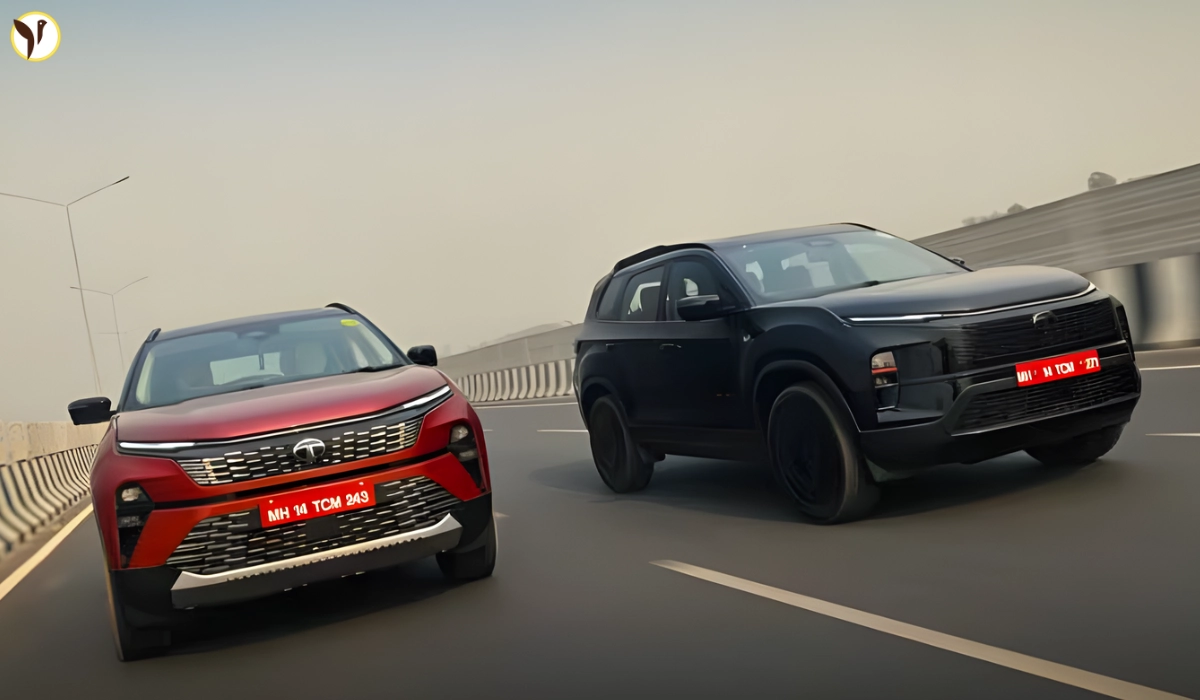


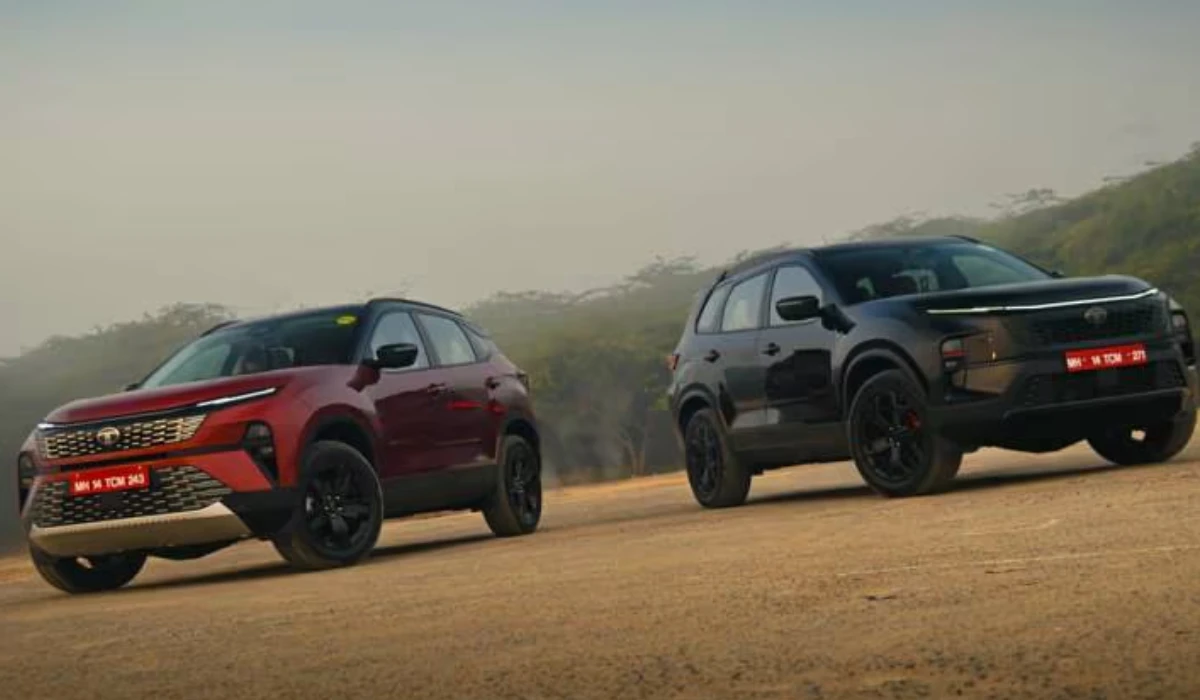
Tata’s Harrier and Safari petrol variants have just achieved something truly remarkable – a 5-star safety rating from Bharat NCAP. But before you rush to the nearest showroom, there’s a crucial detail that might not be as thrilling: their fuel efficiency in real-world conditions. Let's dive into the specs, the safety features, and that one big catch that buyers may overlook.
5-Star Glory: Safer Than Ever Before
The Tata Harrier and Safari have both been recognized as having 5-star safety ratings by Bharat NCAP, becoming part of a select group of vehicles that have achieved this level of performance since the introduction of Bharat NCAP. The Harrier and Safari achieved excellent scores of 30.08 out of 32 for adult protection, and 44.54 out of 49 for child safety. They are the first SUVs in India to achieve 5-star ratings since Bharat NCAP began issuing safety ratings.
These ratings are impressive considering how hard it was for a vehicle to receive five stars prior to this announcement. The OMNIstructure chassis developed by Tata has been tested in multiple crash tests including both frontal and side impacts, and has proven that it can protect its occupants with the same level of protection as many of these vehicles. With the exception of a lower than desired rating for some chest protection during multiple offsets, Tata's SUVs continue to outscore nearly every other vehicle in their class on multiple aspects. Whether you are commuting from Lucknow to Goa or traveling around Delhi, the Tata Harrier and Safari will provide the level of protection your family deserves.
To provide additional detail, here are the Adult Safety and Child Safety ratings for both the Tata Harrier and Safari:
Here’s a closer look at the adult and child safety scores:
-
Adult Protection: 30.08/32 - this SUV excelled in adult protection but needs to improve chest protection in frontal offset crashes.
-
Child Safety: 44.54/49 - highest score for dynamic crash testing, providing your young children with excellent safety.
-
Bonus: these ratings for petrol variants don't need another crash testing for engine swapping.
In summary, Tata's SUVs don't necessarily achieve perfection but they do represent the best safety options available in India's automobile sector.

Petrol Power: Hyperion Engine Unleashed
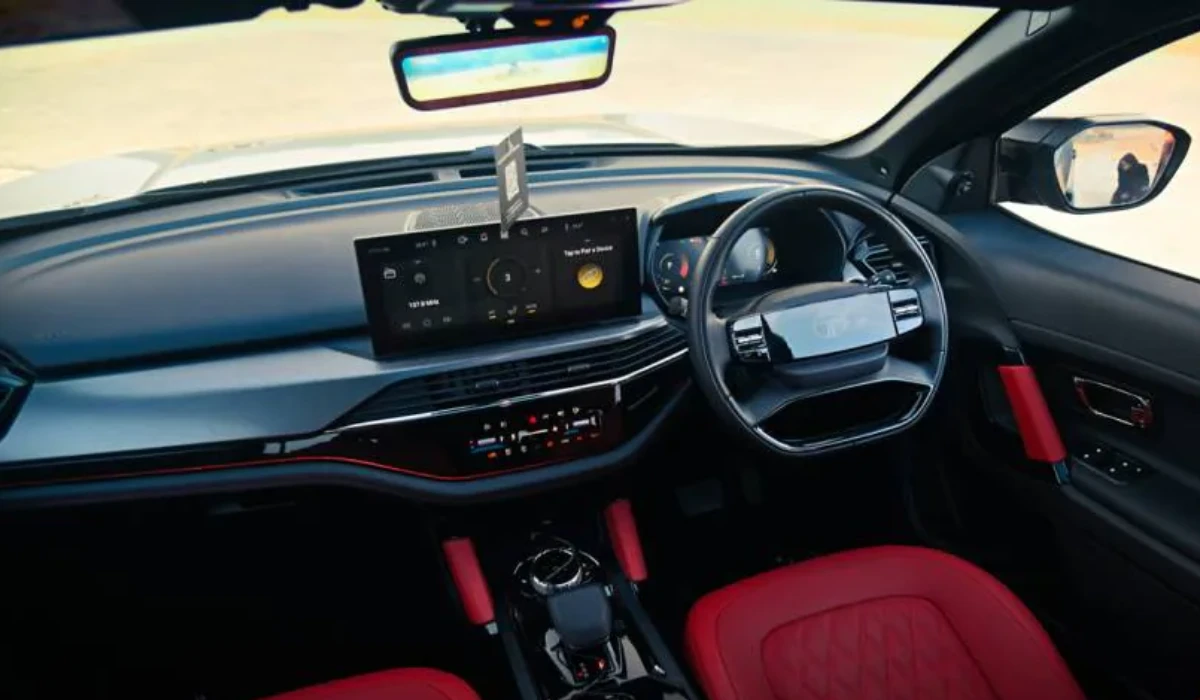
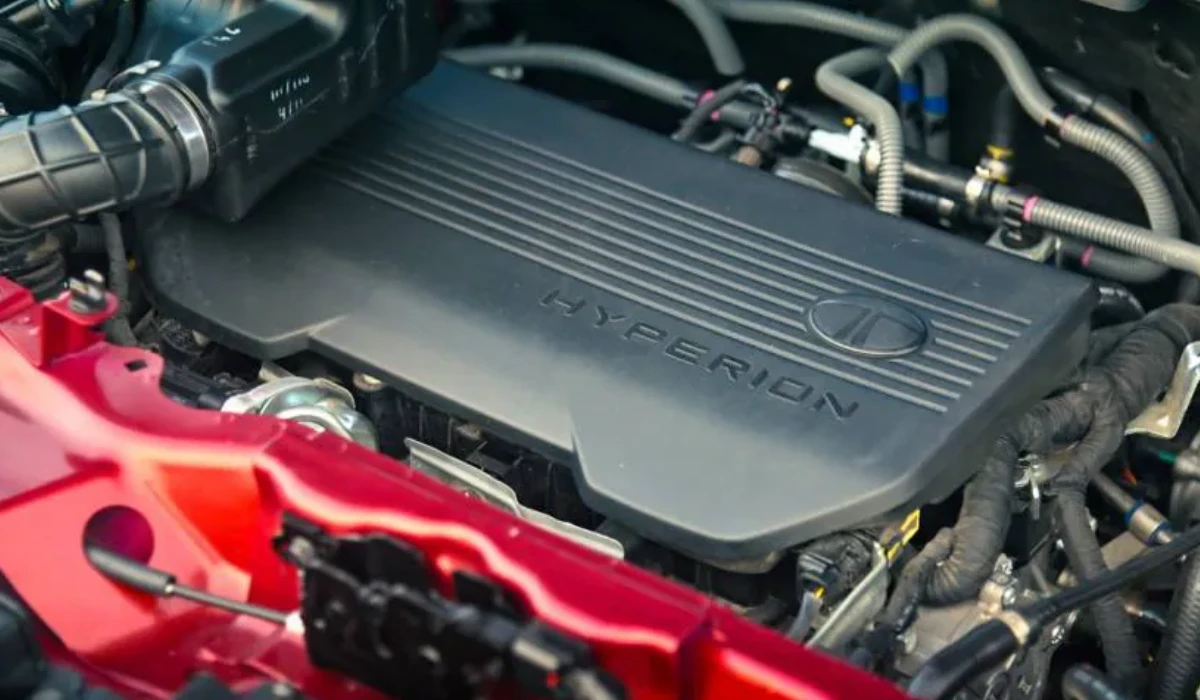
The Tata Harrier and Safari petrol variants are powered by the 1.5L TGDi Hyperion turbo-petrol engine that produces a respectable 170hp and 280Nm of torque. While these numbers are impressive, it’s important to note that they’re closer to a diesel’s power output, but with a noticeable weight saving—about 80kg lighter compared to their diesel counterparts.
This makes them more agile, especially in urban settings where city driving demands quick reactions. You’ll feel the difference in how nimble the Harrier and Safari are, whether you’re darting through narrow lanes in Bangalore or cruising on highways in Delhi-NCR. The 6-speed manual and 7-speed automatic gearboxes provide enough flexibility for both enthusiasts and those looking for a more relaxed drive.
For those speed junkies, the Safari hits a top speed of 216kmph in NATRAX tests, providing a thrilling experience on the highway. On top of that, with prices starting from around Rs 12.5 lakh for the Harrier, these petrol variants are more accessible than the diesel options—especially for those who don’t want to deal with diesel bans in metro cities.
The Catch: Real-World Fuel Efficiency
While the Harrier and Safari petrols are all about performance and safety, there’s a significant fuel efficiency issue that no one seems to be talking about.
Despite the impressive ARAI-certified mileage of 25-26kmpl, the real-world mileage is a far cry from these figures. Early testers have reported a shocking 8kmpl in mixed driving conditions, with some even needing to refuel after only 60km. The root cause? City traffic, the vehicle’s weight, and possible teething issues. This means you might find yourself refilling more often than expected, especially if you're commuting in heavy traffic.
Tata will likely address these issues with software tweaks, but for now, it's a significant catch that could make a difference in your running costs. Diesel models continue to outperform the petrol variants in terms of fuel economy, making them a better choice for long-distance or highway driving. However, for city commutes, petrol may still be a more convenient option, despite the increased running costs.
Harrier vs Safari Petrol: A Quick Breakdown
|
|
|
|
|
|
|
|
|
|
|
|
|
|
|
|
|
|
|
|
|
|
|
|
|
|
|
|
|
|
|
|
|
|
|
|
Why These SUVs Are a Big Deal in India
Tata’s latest petrol SUVs hit at the right time, right when India’s SUV market is booming. With rising fuel prices, stricter emission norms, and the growing demand for versatile family cars, the Harrier and Safari are well-suited for the urban Indian buyer. The Harrier is perfect for those who enjoy solo adventures, while the Safari is ideal for families that need more space.
Both vehicles come equipped with advanced tech features like ADAS, 360-degree cameras, and ventilated seats in the higher trims, making them great contenders against rivals like the XUV700 and Alcazar. But, as mentioned earlier, the real question is whether buyers can live with the petrol’s fuel efficiency in city driving conditions.
Tata has already confirmed that more trims, and possibly hybrid variants, are coming soon. So, if you’re eyeing one of these SUVs, it’s worth waiting for updates or firmware fixes in mid-2026.
Final Thoughts
Bookings for the Tata Harrier and Safari Petrol variants are expected to open soon, with introductory prices making them a great deal for those looking to upgrade to a safer, more refined SUV. However, it’s crucial to test the real-world fuel efficiency before committing. As always, safety is Tata’s strong suit, but the petrol variants could become more attractive once the mileage glitches are resolved.