

Let’s be honest—Nissan isn’t a bad car brand. It has reliable engines, global experience, and a strong legacy. Yet, in several countries, Nissan’s sales have quietly slowed down. This isn’t about one failed model; it’s about strategy, timing, and competition.
India: Too Few Cars, Too Late
In India, Nissan’s biggest issue is visibility. While brands like Hyundai, Tata, and Maruti flood the market with options, Nissan’s lineup feels… thin. For years, Indian buyers saw only the Magnite doing the heavy lifting.
The Magnite is actually a decent value SUV, but one car cannot carry an entire brand. Indian buyers want choices—petrol, EVs, hybrids, budget cars, premium SUVs. Nissan’s slow response to trends like EVs and connected tech made it fade from buyer consideration.
Dealership reach and after-sales confidence also hurt Nissan here, especially in Tier-2 and Tier-3 cities.
United States: Overshadowed by Its Own Rivals
In the US, Nissan faces a different problem—image. While Toyota and Honda are seen as ultra-reliable, Nissan has struggled with perception issues linked to CVT gearbox complaints and inconsistent quality in older models.
Even though newer Nissan cars are much improved, buyers remember past experiences. Add aggressive competition from Korean brands offering better interiors and longer warranties, and Nissan gets squeezed in the middle—neither premium nor budget enough.
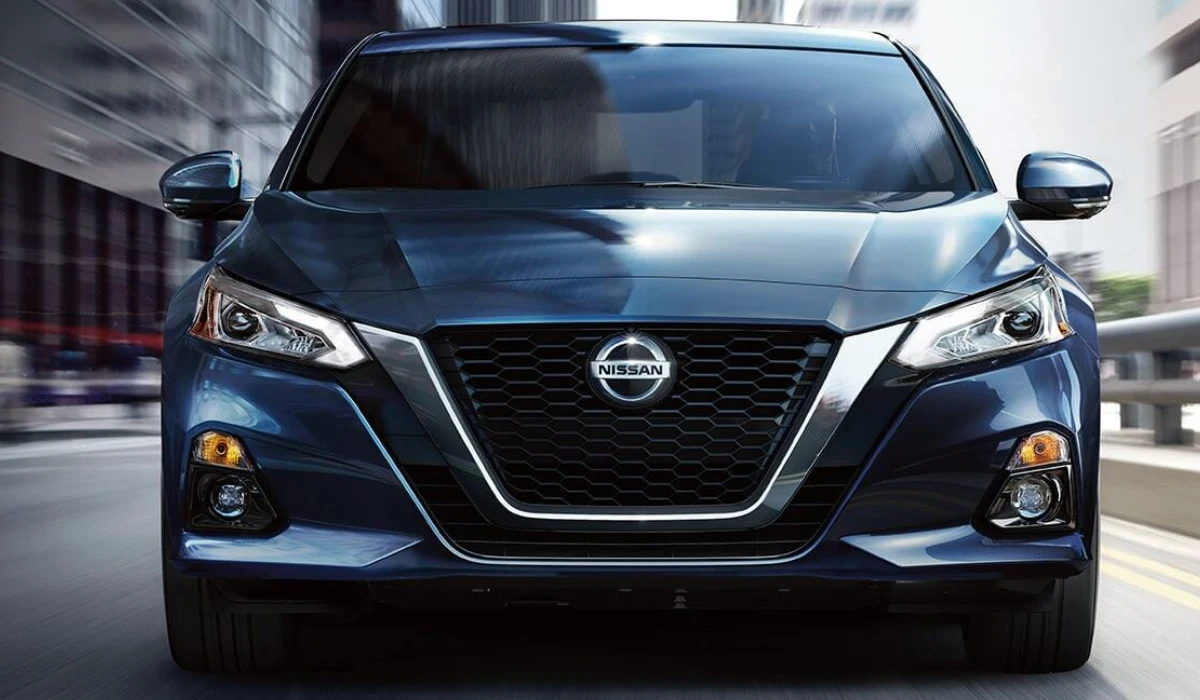
United Kingdom: Lost in a Crowded Market
Europe, especially the UK, is brutal for car brands. Nissan once had strong momentum with cars like the Qashqai, but rivals quickly caught up.
Today, buyers expect hybrid tech, high-end interiors, and futuristic infotainment as standard. Nissan’s updates have been slower compared to brands like Kia, Peugeot, and Volkswagen.
With rising fuel prices and strict emission norms, Nissan’s delayed electrification strategy made buyers look elsewhere.
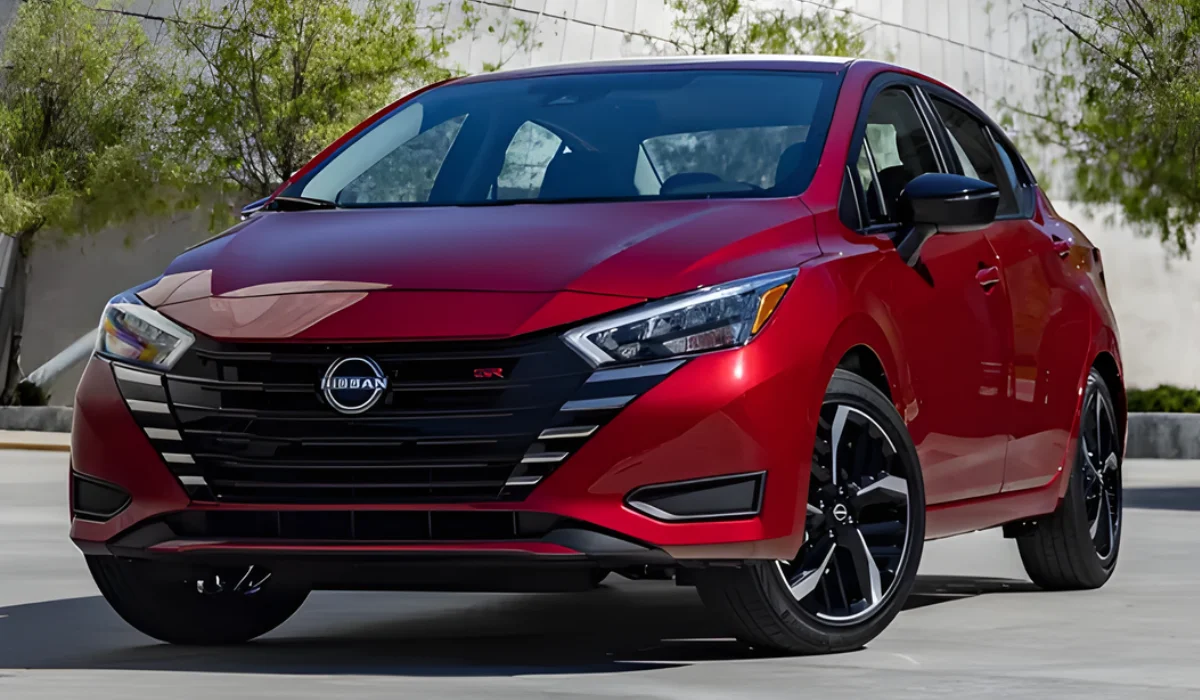
Australia: Tough Competition, Limited Excitement
Australia loves rugged SUVs and utes. While Nissan has capable products, it hasn’t refreshed them fast enough. Toyota dominates with reliability, Ford wins with performance, and Chinese brands are disrupting with aggressive pricing.
Nissan’s models often feel “safe” but not exciting. In a market where value and innovation matter, being average isn’t enough anymore.
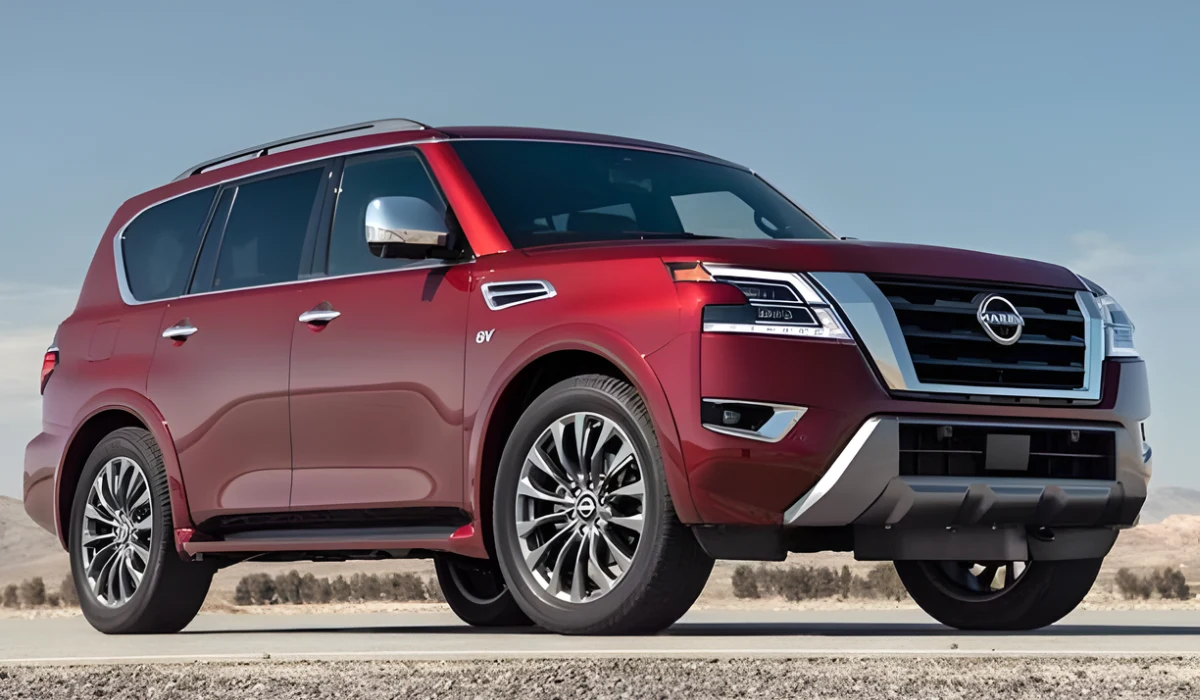
Indonesia: Price Sensitivity Strikes Back
In Indonesia, affordability rules. Local brands and Japanese rivals offer cheaper maintenance and better fuel efficiency. Nissan’s pricing often sits slightly higher without offering standout features, making buyers question value for money.
Limited localization and fewer mass-market launches have also kept Nissan from scaling sales here.
Final Thoughts
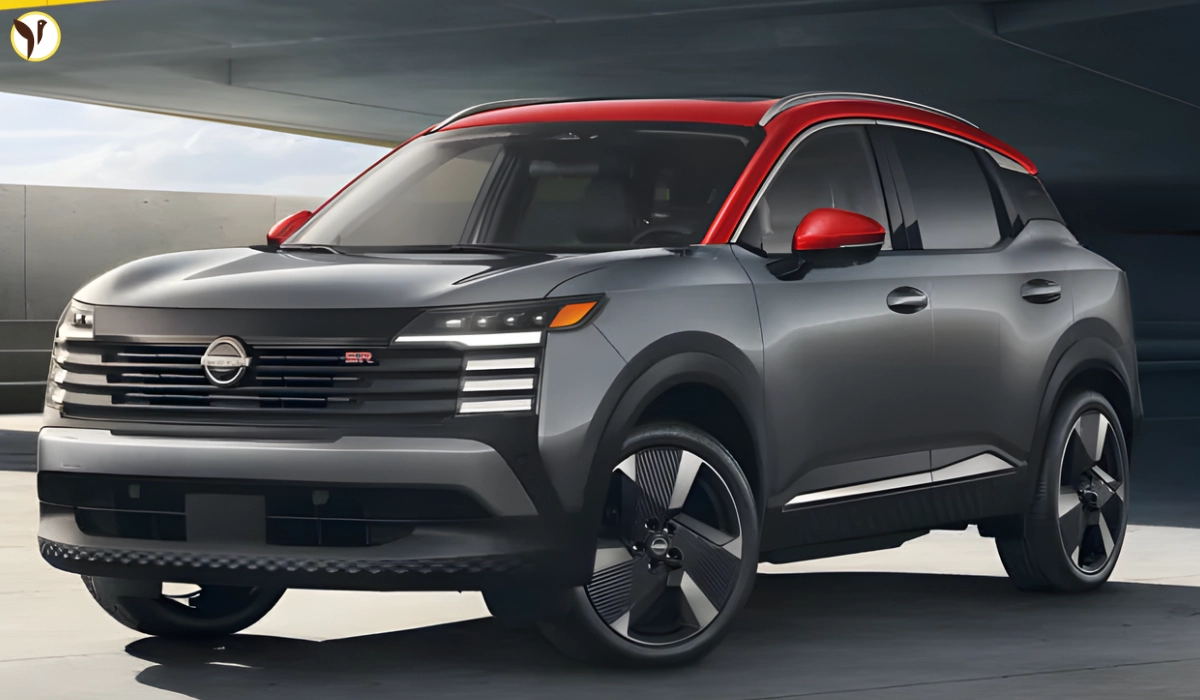
Not at all. Nissan still has strong engineering, a loyal global base, and upcoming EV plans. In India, upcoming SUVs and EVs could help rebuild trust—if priced right and marketed aggressively.
The brand’s future depends on faster launches, better tech integration, and understanding what local buyers really want.