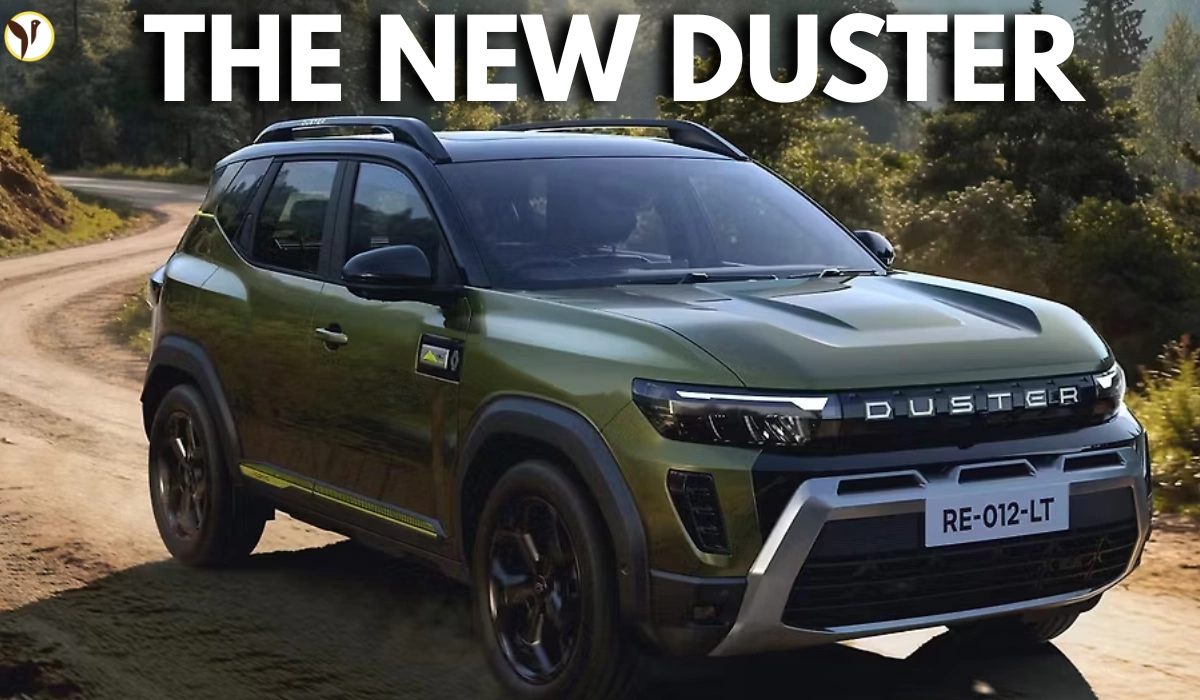


The Duster was an important vehicle for Renault when it entered the Indian market in shaping the perception of what buyers wanted from a compact SUV; it offered a rugged design, great diesel economy and real-world functionality all at an affordable price point. The new Duster represents Renault’s most significant effort yet to recover the losses experienced by that segment of the market, by re-establishing itself as a modern, true global SUV designed for the needs of today’s Indian consumer.
It’s not just an update of the styling or functionality; this is a complete new generation of the Duster that represents a unique opportunity for Renault at this moment in time. As consumers are shifting away from soft-roaders to more supportive styling, looking for a stronger appeal through a more robust design, safer vehicles and for petrol-first powertrains; the Duster represents an important economic opportunity for Renault that they must capitalize on in order to regain their market position.
A Global SUV, Finally Tuned for India Again
The new Duster is based on the CMF-B modular platform, already used by several Renault and Dacia models overseas. For India, this is significant because it allows better structural rigidity, improved crash performance, and the flexibility to support multiple powertrains.
Design-wise, the Duster has moved decisively away from rounded curves. The 2026 version adopts a boxier, upright stance with squared-off wheel arches, flat bonnet lines, and a wider grille. It looks tougher without trying too hard, clearly positioned against compact SUVs that focus more on styling than substance.
LED lighting is now standard across most trims globally, and the Indian-spec version is expected to retain this, along with chunkier alloy wheels and higher ground clearance than most rivals in its segment.
Interiors: Simpler, More Modern, Less Dated
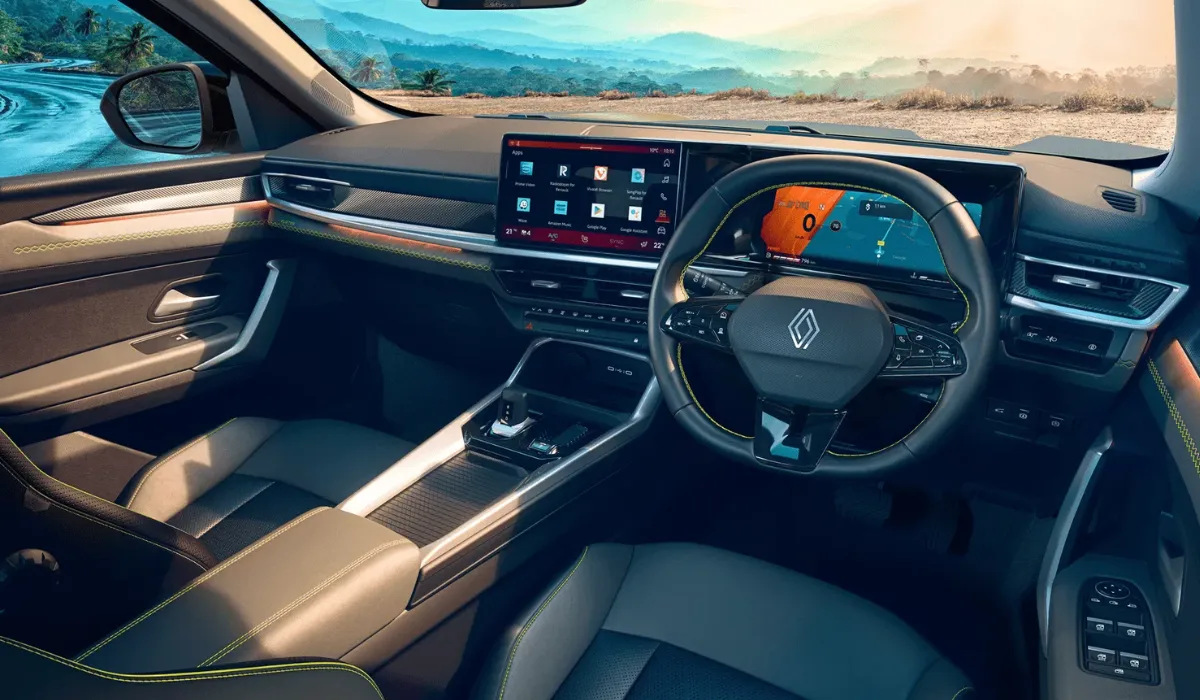
One of the biggest criticisms of the older Duster was its cabin. Renault appears to have taken that feedback seriously. The 2026 Duster introduces a clean, horizontal dashboard layout, better material textures, and a more intuitive control layout.
A large touchscreen infotainment system, digital instrument cluster, wireless smartphone connectivity, and updated steering-mounted controls bring the Duster closer to current expectations. The cabin doesn’t chase luxury, but it finally feels contemporary rather than outdated.
Rear-seat comfort remains a strong point, helped by the Duster’s wide body and generous wheelbase. Boot space is also expected to remain competitive, reinforcing the Duster’s reputation as a practical family SUV rather than a lifestyle-only product.
Petrol Takes Centre Stage, Hybrid Possibilities Open
Renault’s powertrain strategy reflects the reality of today’s Indian market. Diesel is no longer the focus. The 2026 Duster is expected to launch primarily with turbo-petrol engines, including a 1.3-litre unit that has already proven itself in other Renault-Nissan models.
Internationally, the Duster is also offered with mild-hybrid and strong-hybrid options, and while Renault has not officially confirmed timelines for India, the platform is ready. That flexibility gives Renault room to respond if fuel efficiency and emission norms push buyers further towards electrified options.
Manual and automatic transmissions are both expected, with tuning aimed at everyday drivability rather than outright performance.
Safety Gets a Long-Overdue Upgrade
Safety is an area where the Duster could not afford to lag anymore. The new generation addresses this with multiple airbags, electronic stability control, hill-start assist, traction control, and a stronger body structure designed to meet stricter global crash norms.
Advanced driver assistance features may remain limited at launch to control costs, but the fundamentals—braking, stability, and structural safety—are clearly improved. For Indian buyers who now actively compare safety ratings and features, this shift is crucial.
Where the Duster Fits in Today’s SUV Crowd
The compact SUV space is crowded, but the Duster doesn’t try to blend in. Its strength lies in being more SUV than crossover—solid build, confident stance, and mechanical simplicity.
It will sit between urban-focused compact SUVs and larger, more expensive mid-size offerings. For buyers who want something that feels tough without moving into premium pricing, the Duster’s positioning makes sense.
Renault Duster 2026 Specifications
|
|
|
|
|
|
|
|
|
|
|
|
|
|
|
|
|
|
|
|
|
Conclusion
Renault’s challenge is not product capability—it is execution. Pricing, variant strategy, and dealership experience will decide whether the Duster becomes relevant again or remains a niche choice. What is clear, however, is that the 2026 Duster finally feels aligned with where the Indian market is today, not where it was a decade ago.