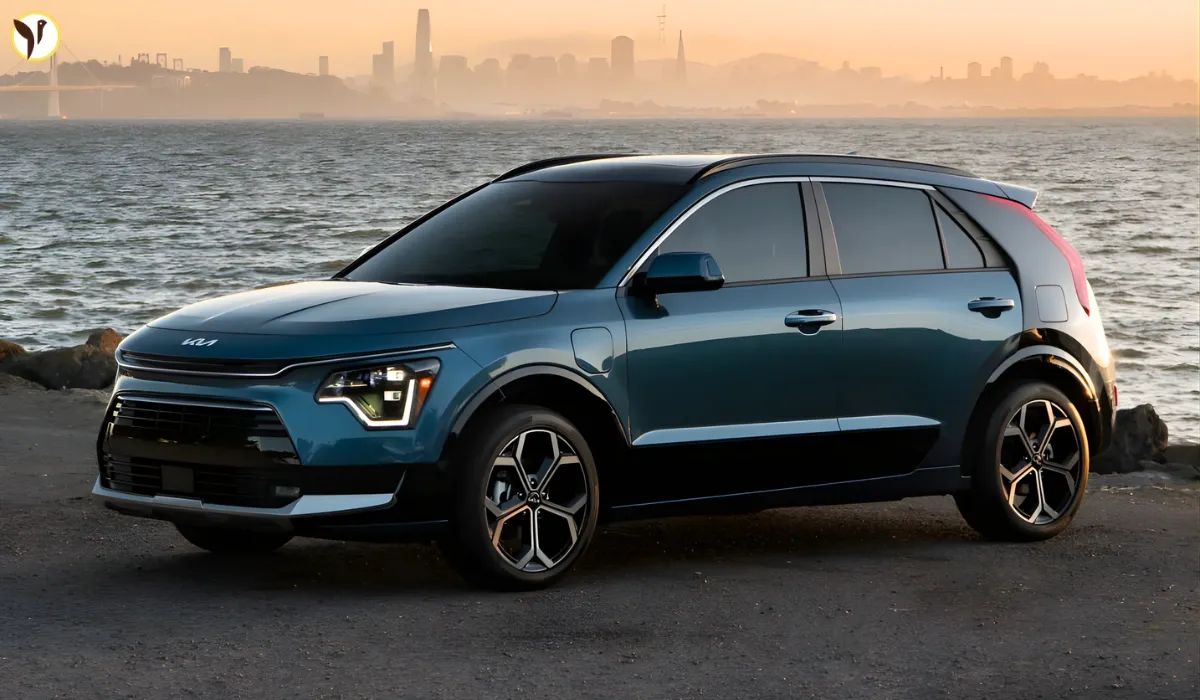
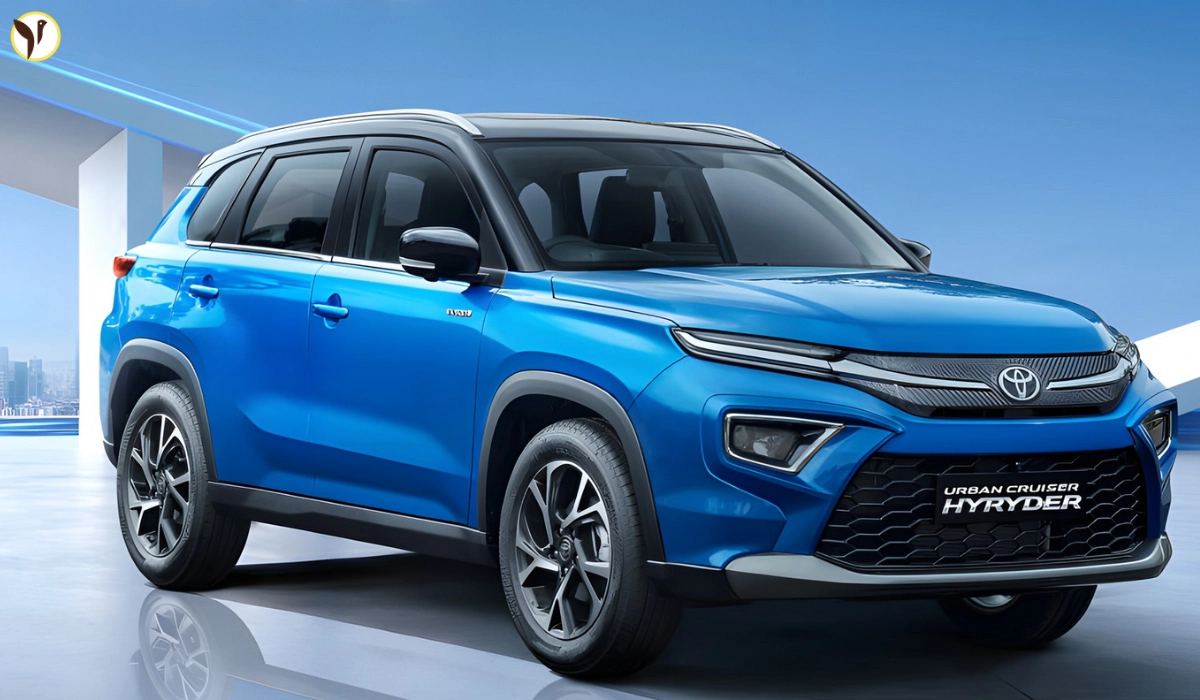


In recent years, hybrid cars have moved from niche to mainstream in India. With rising fuel prices and growing environmental awareness, many buyers now look for vehicles that offer a balance of fuel-efficiency, moderate pricing, and modern features. Strong-hybrid cars are gaining traction because they deliver decent mileage on petrol while offering electric-assisted efficiency. This makes them especially attractive for city driving — where frequent start-stop traffic can hit fuel bills hard.
What Makes a Hybrid “Strong”
Strong hybrids combine a conventional internal combustion engine with an electric motor. This setup helps the car run on electric power at low speeds — saving fuel — but lets the engine step in as speed picks up or battery drains.
The advantage? You get better mileage than a regular petrol-only car, reduced emissions, and the flexibility to refuel anywhere — no need to rely on charging stations. For many Indian buyers, this strikes a sweet spot between conventional cars and fully electric vehicles.
Top Affordable Strong Hybrid Cars to Consider in 2025
Below are some of the strong hybrid cars that stand out now in India, especially if you’re looking for a balance between cost, efficiency, and practicality.
|
|
|
|
|
|
|
|
|
|
|
|
|
|
|
|
These cars show that you don’t need to spend a fortune to enjoy hybrid benefits. Many fall within the ₹11–20 lakh ex-showroom range — similar to many conventional petrol cars — making hybrids a realistic option for many Indian families.
Who Should Buy a Hybrid? A Quick Guide
-
People commuting daily in traffic-heavy cities — hybrids shine here with better mileage.
-
Drivers seeking lower running costs and fewer fuel stops.
-
Buyers who want modern features and flexibility but aren’t ready to commit to full EV charging infrastructure.
-
Families or individuals who value reliability and ease of maintenance.
A strong-hybrid car balances most of the everyday needs without the challenges of EV charging or high fuel costs.
What to Watch Out For: Hybrid Pros and Cons
Pros
-
Better fuel efficiency than regular petrol cars, especially in city traffic.
-
Lower emissions and less environmental impact.
-
Around same price range as regular petrol SUVs — making hybrids budget-friendly.
Cons
-
Mileage advantage reduces on long highway drives compared to city runs.
-
Slightly more complex mechanical systems — maintenance costs might be higher.
-
Battery replacement (down the line) could add to costs.