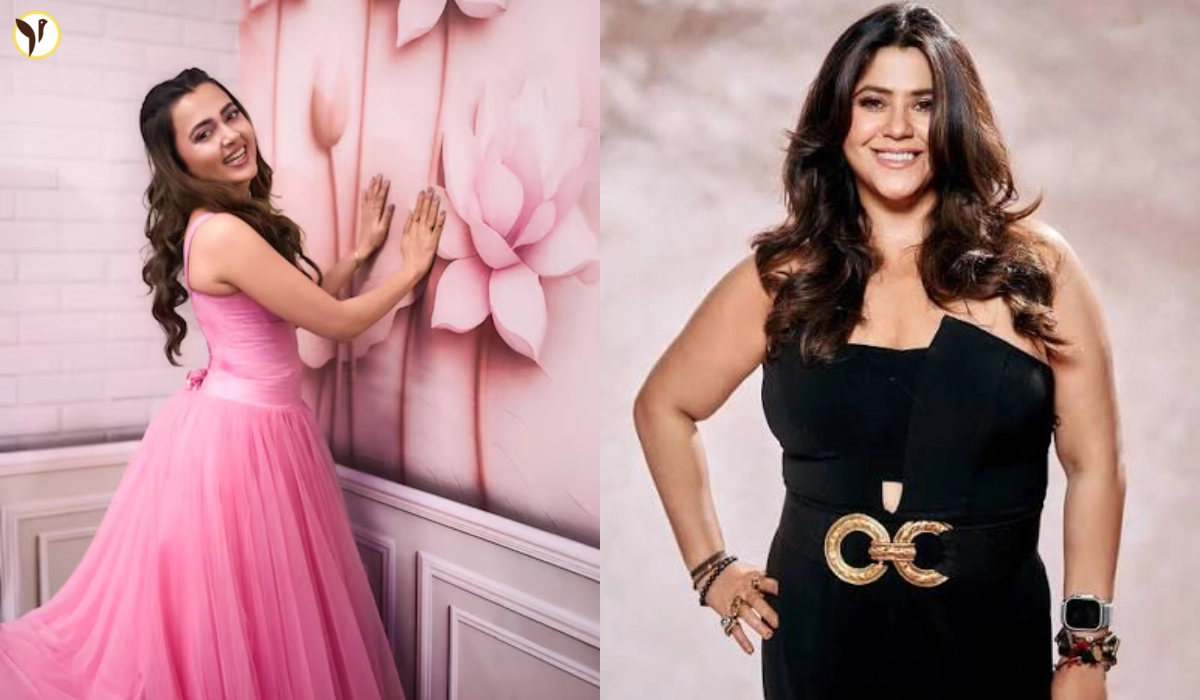
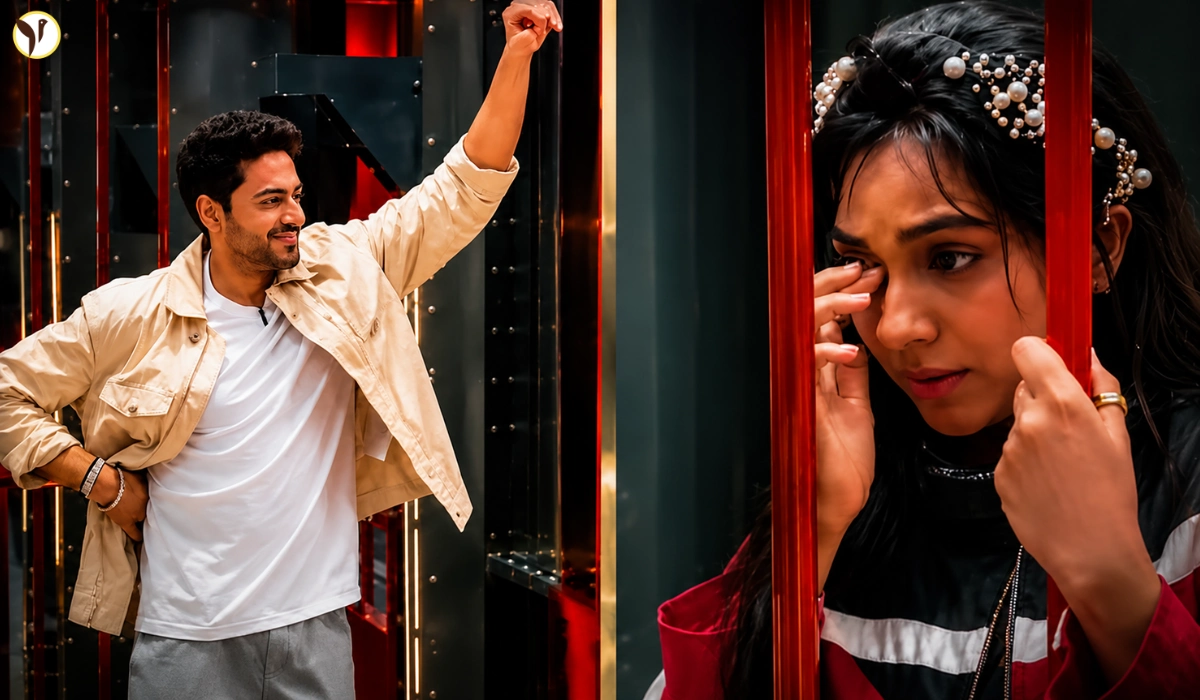


When the makers of the controversial reality show Lock Upp orchestrated a family visit for contestant Gaurav Khanna, viewers expected a highly emotional, perhaps tearful reunion with his wife, actress Akanksha Chamola. Instead, a surprising narrative emerged from the outside world: Akanksha Chamola wanted her dog over Gaurav Khanna during the Lock Upp visit.
While mainstream entertainment media quickly framed this as a quirky, slightly cynical celebrity soundbite, the statement actually offers a fascinating window into the psychological dynamics of reality television. It highlights the stark contrast between the performative nature of on-camera reunions and the genuine, uncomplicated comfort of domestic life. Here is a deeper look at what actually transpired, why Chamola’s perspective is more relatable than it initially appears, and what this reveals about the spouses left behind in the high-stakes world of reality TV.
Inside the Lock Upp Pressure Cooker
To understand the gravity of the situation, one must understand the environment of Lock Upp. Hosted by Kangana Ranaut and streamed on ALTBalaji and MX Player in 2022, the show was designed as a captivity-based reality experiment. Contestants were stripped of their luxuries, denied basic amenities, and subjected to grueling mental and physical tasks.
Gaurav Khanna, a well-known television actor, entered the show as a wildcard contestant. By the time the family visit segment arrived, the contestants had been isolated from the outside world for weeks. For the audience, these visits are a highlight—a moment of respite. For the contestants, it is a vital tether to reality. For the spouses on the outside, however, the dynamic is entirely different. They are thrust into a highly produced environment, asked to perform vulnerability for cameras, and expected to provide emotional labor to a partner they haven't seen in weeks, all while navigating their own daily lives.
The Incident: Prioritizing the Dog Over the Husband
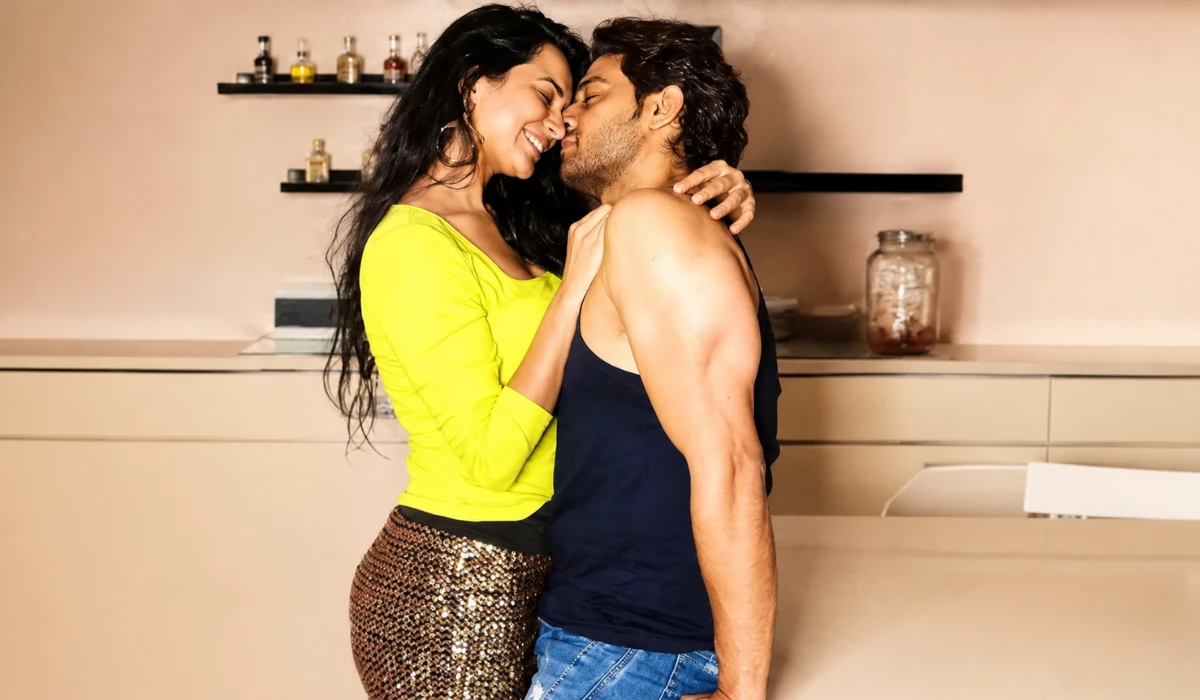
When the opportunity arose for Akanksha to visit Gaurav in the Lock Upp jail, her reaction was notably measured. Rather than expressing desperation to see her husband, she casually remarked that if given a choice, she would rather prioritize being with her dog.
To the casual observer, this might sound cold. But dissecting the statement reveals a different truth. Akanksha was not expressing a lack of love for her husband; she was expressing a preference for a stress-free environment. Her dog represented home, normalcy, and unconditional comfort. Visiting the Lock Upp set represented chaos, artificial drama, and the exhausting task of "playing the reality TV spouse.
The Data Behind Reality TV Visits: Expectation vs. Reality
To provide context on why a spouse might feel ambivalent about a reality TV visit, we can look at the structural demands placed on them during these segments. The following table breaks down the typical reality of these so-called "reunions."
|
|
|
|
|
|
|
|
|
|
|
|
|
|
|
|
|
|
|
|
|
|
|
|
|
|
|
|
|
|
The Psychology Behind the Statement: Why the Dog?
Akanksha Chamola’s preference for her dog over visiting the Lock Upp set is a textbook example of seeking a "secure attachment" during a period of ambient stress.
When a partner is on a reality show, the spouse at home becomes a de facto single parent to their pets, their home, and their responsibilities. The emotional burden is heavy, but it is manageable because it exists within a controlled, familiar environment.
A dog, in this psychological framework, offers:
- Unconditional Positive Regard: A dog does not care about TRP ratings, screen time, or interpersonal drama.
- Grounding Mechanism: While the reality show world is artificial and hyper-dramatic, a pet's needs (food, walks, affection) are deeply rooted in the present physical reality.
- Zero Performance Anxiety: Interacting with a dog requires no acting. Visiting a reality show set requires constant awareness of the camera.
By stating she wanted to be with her dog, Akanksha was implicitly rejecting the artificiality of the Lock Upp visit. She chose the genuine over the performative.
Akanksha on Gaurav coming to meet her. 🙂#LockUpp2 #LockUpp pic.twitter.com/gJOr6QHzqQ
— Digital News Hub (@digital_newshub) July 23, 2026
Reality TV Marriages: The Unseen Toll
The incident also opens a broader conversation about how reality television tests marriages. We often focus on the contestants inside the house—how they fight, cry, or strategize. Rarely do we analyze the psychological exhaustion of the partners outside.
When Gaurav Khanna was inside the jail, Akanksha was outside, consuming the same content as millions of viewers. She was watching her husband navigate manipulated conflicts, form alliances that might not align with his real-world values, and be subjected to public scrutiny. To then go onto the set and pretend that everything is normal, offering a smiling, supportive face for the cameras, requires a level of emotional labor that borders on the exploitative.
Her reluctance to visit wasn't a slight against Gaurav; it was a boundary-setting mechanism. It was a way of saying, "I support you, but I will not allow this artificial environment to dictate my emotional state or disrupt my peace."
The Asymmetry of Isolation
It is also vital to recognize the asymmetry of their experiences. Gaurav Khanna was isolated, yes, but he was isolated together with a group of people. They formed a micro-society. They had shared trauma and shared inside jokes.
Akanksha, conversely, was isolated alone in her regular life, carrying the mental load of the household while her partner was away. In many ways, the spouse at home experiences a more difficult, lonelier isolation because the world expects them to just "carry on as normal." In this context, her dog wasn't just a pet; it was her primary companion through a uniquely bizarre life experience. Asking her to leave that companion to go perform on a TV set is entirely understandable in her reluctance.
What Happens Next: The Post-Show Reality
Now that the dust of Lock Upp has long settled, looking back at this specific anecdote provides a blueprint for how modern celebrity couples handle the reality TV industrial complex.
Gaurav Khanna and Akanksha Chamola have remained a stable, low-drama couple in the public eye. The fact that she did not perform the stereotypical "weeping, desperate wife" trope on national television actually speaks to the health of their relationship. It indicates a partnership where boundaries are respected, where artificiality is recognized and called out, and where public expectations are subordinated to private peace.
As reality TV continues to evolve, producers are finding that audiences are becoming fatigued by forced melodrama. Authentic moments—like a wife bluntly stating she’d rather be with her dog than on a noisy TV set—are becoming the new currency of relatability. It humanizes the celebrity.
Moving forward, we will likely see more spouses of reality contestants set firm boundaries regarding their participation. The era of the "dutiful reality TV spouse" who shows up on cue to cry for the cameras is fading, replaced by partners who manage their own narratives from the outside, much like Akanksha Chamola did.
Other Articles to Read: