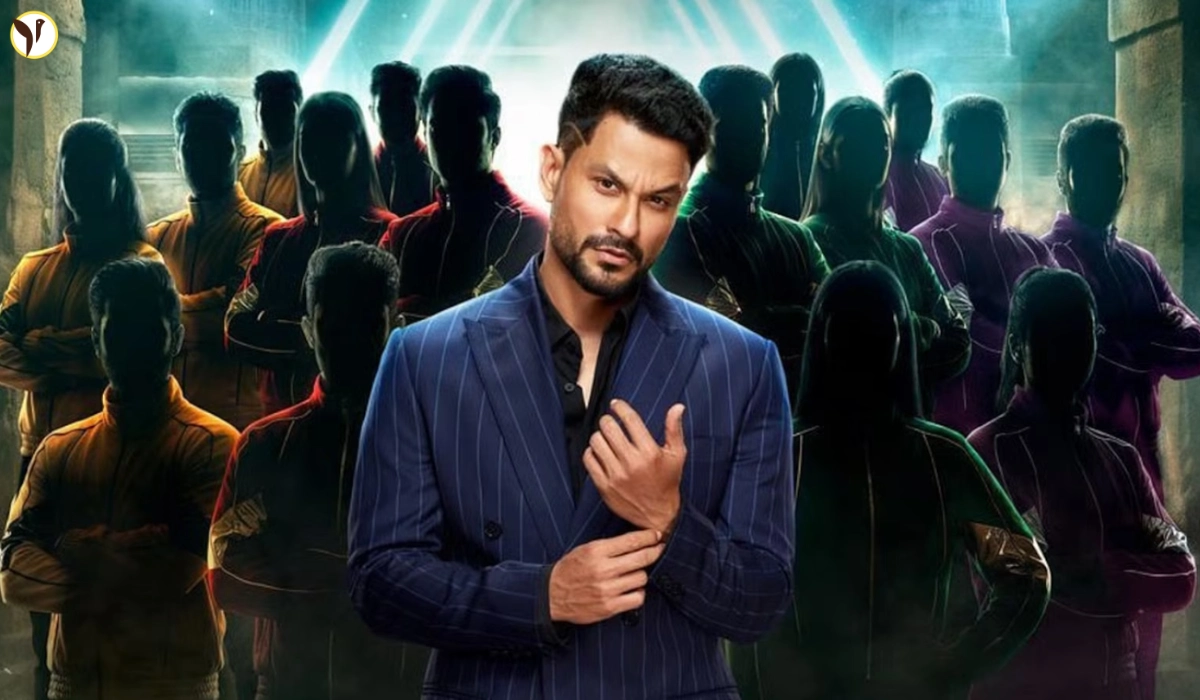


Prime Video has dropped the official trailer for Alliance, its most ambitious unscripted Indian original to date — a game where the person sitting across from you at dinner is also the one deciding whether you survive. Hosted by Kunal Kemmu and produced by Banijay Asia, it premieres June 26 across India and 240 countries.
There are game trailers that sell spectacle, and then there are trailers that sell a premise. The newly revealed Crossfire trailer — the game this article’s “Alliance” framing refers to — leans hard into the second category. Its central idea is simple and effective: two enemy operators are forced to work together because the threat hunting them is worse than either side imagined. The hook isn’t just gunfire or stealth; it’s the possibility that survival itself depends on trusting the one person you have every reason to hate.
That is what makes the trailer notable. At a glance, Crossfire looks like a tactical third-person action game with cinematic ambitions. But underneath the military hardware and rugged mountain setting, the reveal is trying to position the game as something more psychologically loaded: a survival story where alliances are temporary, motives are uncertain, and staying alive may demand cooperation that neither character can fully accept.
Not Just Another Reality Show — Here's Why Alliance Is Different
Indian reality television has spent the better part of two decades refining two dominant templates: the housemate-elimination drama of Bigg Boss, and the competitive task-based structure of shows like Khatron Ke Khiladi. Alliance arrives at a precise moment when audiences are fatigued by both, and it bets on something more psychologically layered — a format built entirely around the architecture of trust, and the precision of its betrayal.
The premise is deceptively simple. Sixteen contestants enter the game not as strangers but as pre-selected real-life allies — friends, relatives, professional partners. They know each other. They've chosen each other. And that is exactly what makes the show dangerous. The game is designed to systematically weaponise the intimacy they've already built.
This is not a borrowed format retrofitted for Indian sensibilities. Alliance is adapted from a proven Dutch original — a format that has already demonstrated, across its international runs, that the most devastating betrayals come not from enemies but from the person who had the most to lose by turning on you.
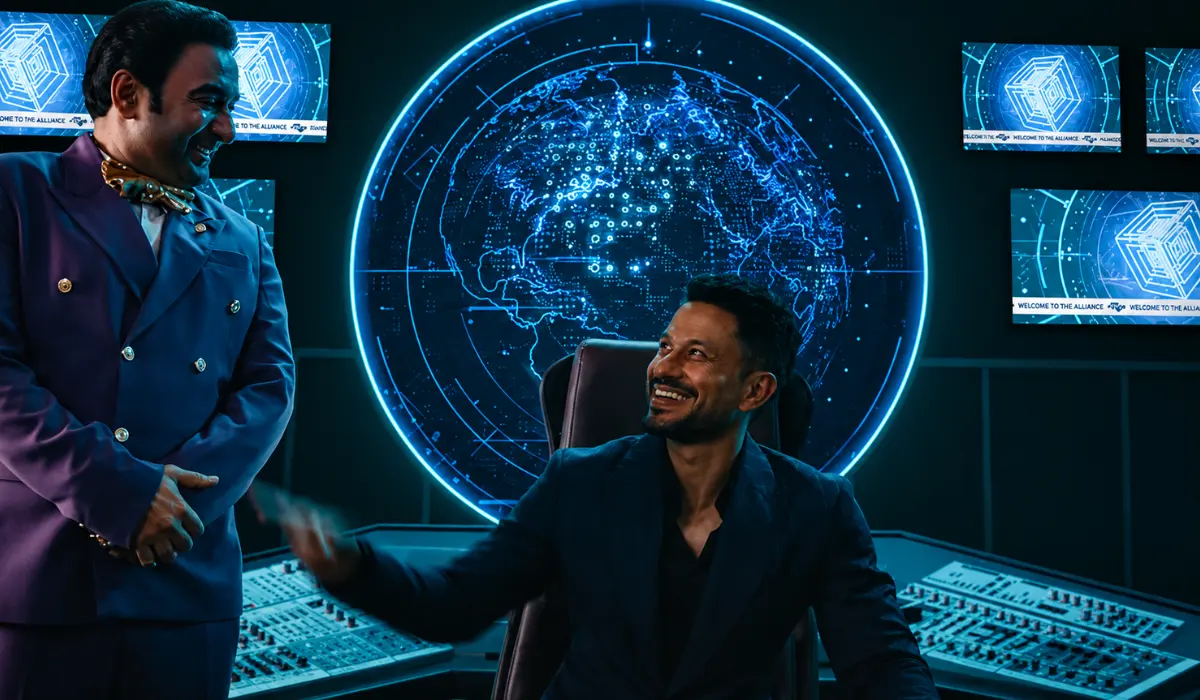
The Trailer: What It Shows — and What It Deliberately Withholds
The official trailer, released on June 23, sets its tone in the first ten seconds. The setting is a sleek, high-tech underground facility — part corporate bunker, part luxury compound — where lighting is controlled, exits aren't obvious, and every conversation feels surveilled. It's an environment engineered to heighten psychological pressure.
What the trailer reveals in rapid cuts: contestants forming what appear to be genuine bonds; those same contestants in visible shock in later scenes; dramatic confrontations where bodies lean in and voices drop; and a series of reaction shots that suggest the floor has been pulled from beneath people who thought they were standing on solid ground. The showmakers are careful — no specific eliminations, no alliance-break moments are shown outright. The trailer sells a feeling, not a plot.
"Alliance is unlike any reality show I have known. It's not just about winning challenges — it's about navigating relationships, making tough choices, and adapting when the game changes around you."— Kunal Kemmu, Host, Alliance
The tagline the show has quietly circulated in its promotional materials is telling: friendship keeps you in the game, but betrayal leads you to victory. That is not a warning. It is the rulebook.
The Full Contestant List: Eight Pairs, Eight Different Tensions
The casting is one of the show's shrewdest moves. Rather than assembling a generic roster of Instagram-famous faces, the makers have constructed an ensemble where the pre-existing relationships are themselves a variable — each pair brings a different emotional dynamic into the game, and each dynamic will be stress-tested in a different way.
|
|
|
|
|
|
|
|
|
|
|
|
|
|
|
|
|
|
|
|
|
|
|
|
|
|
|
|
|
|
|
|
|
|
|
|
|
|
|
|
|
|
|
|
|
The Ravi Kishan–Riva Kishan pairing is immediately the most emotionally loaded. A father-daughter alliance inside a game that rewards betrayal is either the show's most heartwarming storyline or its most devastating waiting to happen. The Nikhil Chinapa–Mini Mathur pair brings a media-industry pedigree that suggests strategic sophistication — but also the ego-management that comes with two well-known personalities navigating shared space under pressure.
How the Game Actually Works: The Points Economy Explained
This is where Alliance genuinely separates itself from the format noise. The game runs on a points-based economy — a mechanic borrowed from the original Dutch version that turns every decision into a risk calculation.
|
|
|
|
|
|
|
|
|
|
|
|
|
|
|
|
|
|
|
|
|
|
|
|
The genius — and cruelty — of this structure is the comfort trap. Spend your points on better food and living conditions and you feel safe today. But those same points are now gone from your ranking total, and tomorrow, another alliance that chose discomfort over ease is sitting above you on the board. Alliance is running a slow-burn lesson in delayed gratification — and most people, under pressure, fail it.
Kunal Kemmu as Host: What His Presence Signals About the Show's Tone
Kunal Kemmu is an interesting choice for a format this psychologically dense, and it is clearly a deliberate one. He carries no reality-TV baggage, no pre-established hosting persona that audiences need to renegotiate. He is not a Salman Khan bringing a gravitational field of his own into the room. He is a respected actor known for his restraint — someone who watches, who reads a scene, who doesn't announce his presence before he walks in.
That is precisely what Alliance seems to want from its host. The show's drama comes from the contestants. The host's role, from what the trailer suggests, is closer to a witness than a ringmaster — present at the moments of fracture, but never competing with them for attention. It is, as Kemmu acknowledged himself, a significant departure from anything he has done before, and watching him calibrate to it will be a subplot worth following across the six-week run.
The Broader Context: Why This Format Makes Sense for India Right Now
The global appetite for social-strategy reality television has been building for years. Shows like The Traitors have demonstrated, across multiple international versions, that audiences are not merely interested in watching people compete — they want to watch people decide how much their relationships are worth, in real time, under controlled conditions. India is a logical market for this evolution. The cultural emphasis on loyalty, family bonds, and the social weight of betrayal makes the show's core premise land harder here than it might elsewhere.
Prime Video's decision to run Alliance across 42 episodes over six weeks — with daily content — is also a significant programming bet. It commits to a volume of output that requires consistent narrative momentum. The Dutch original's tighter episode count allowed for a more curated dramatic arc. The Indian version will need to sustain tension across a far longer runway. Whether the editing team can deliver that without the show feeling padded is the real question that won't be answered until the episodes are actually streaming.
What Happens Next
Alliance premieres on June 26, 2026 on Prime Video in India and simultaneously across 240 countries and territories. With the trailer generating visible traction in the hours since its release — particularly around the Ravi Kishan–Riva Kishan dynamic and the show's glossy, claustrophobic setting — the opening-week numbers will be a litmus test for whether Indian audiences are ready to trade the comfort of familiar formats for something that asks considerably more of them.
One thing the trailer makes clear: Alliance has no interest in making you comfortable. That may be its greatest asset.
Other Articles to Read: