

Fifteen years after she first stepped on a TV set as a child actor, Anushka Sen has become the first Indian performer to lead a South Korean feature film — and the path to get there started with a pandemic, a Netflix queue, and a tourism title nobody saw coming.
There's a particular kind of career pivot that looks sudden from the outside and inevitable from the inside. Anushka Sen's move into Korean cinema is exactly that kind. To anyone scrolling past the headlines this week, it might read as a surprise debut. But trace the timeline back, and it's the product of a three-year relationship with South Korea that started long before any camera rolled on her new film, Jeju Olle.
What Happened: The Basics of Anushka Sen's Korean Film Debut
Anushka Sen has been cast as the lead in Jeju Olle, a trilingual romantic musical drama filmed on South Korea's Jeju Island. In the film, Sen plays Alisha, a singer who arrives on Jeju Island while grieving the loss of her sister, and finds an unexpected connection with a singer-songwriter named Sunwoo, played by Korean actor Kang Hyung-seok.
The production wrapped its first shooting schedule in June 2026, and Sen spoke about the experience in an exclusive interview with The Hollywood Reporter India, published on June 22, 2026 — the most direct, on-record account of how the project came together.
A few details from that interview matter more than they might first appear:
- It's her first commercial film. Sen has built her career almost entirely in Indian television and digital content; this is her debut in theatrical cinema.
- It's her first largely English-language project. The film is notable for being a first in several ways: it is Sen's first commercial film and her first acting project performed largely in English.
- The shoot is trilingual. Dialogue is primarily in English and Korean, with some portions in Hindi.
- It's a triple-skill role. In her own words to THR India, Sen described the part as demanding singing, dancing, and acting simultaneously — a combination she called rare even within her own filmography.
|
|
|
|
|
|
|
|
|
|
|
|
|
|
|
|
|
|
|
|
|
|
|
|
|
|
|
|
|
|
|
|
|
|
|
|
Why It Matters: More Than a Casting Announcement
It's tempting to file this under routine celebrity news — an actress lands a foreign project, publicists send out a release, the cycle moves on. But two things separate this story from the usual "Bollywood star goes global" template.
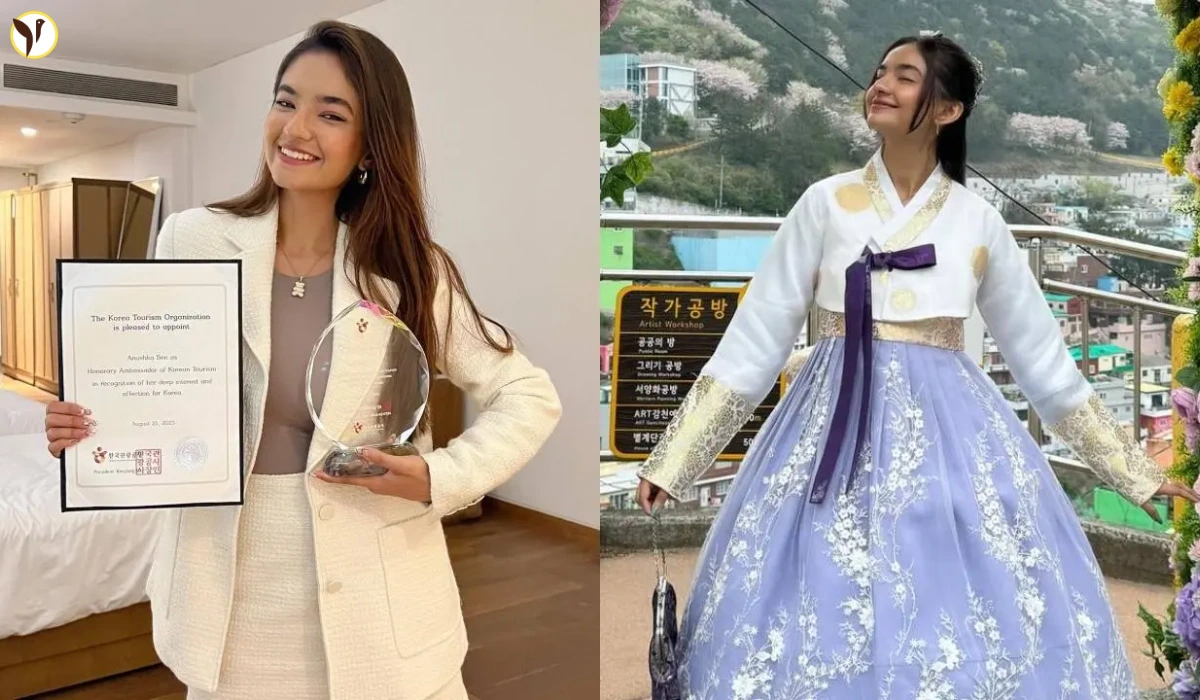
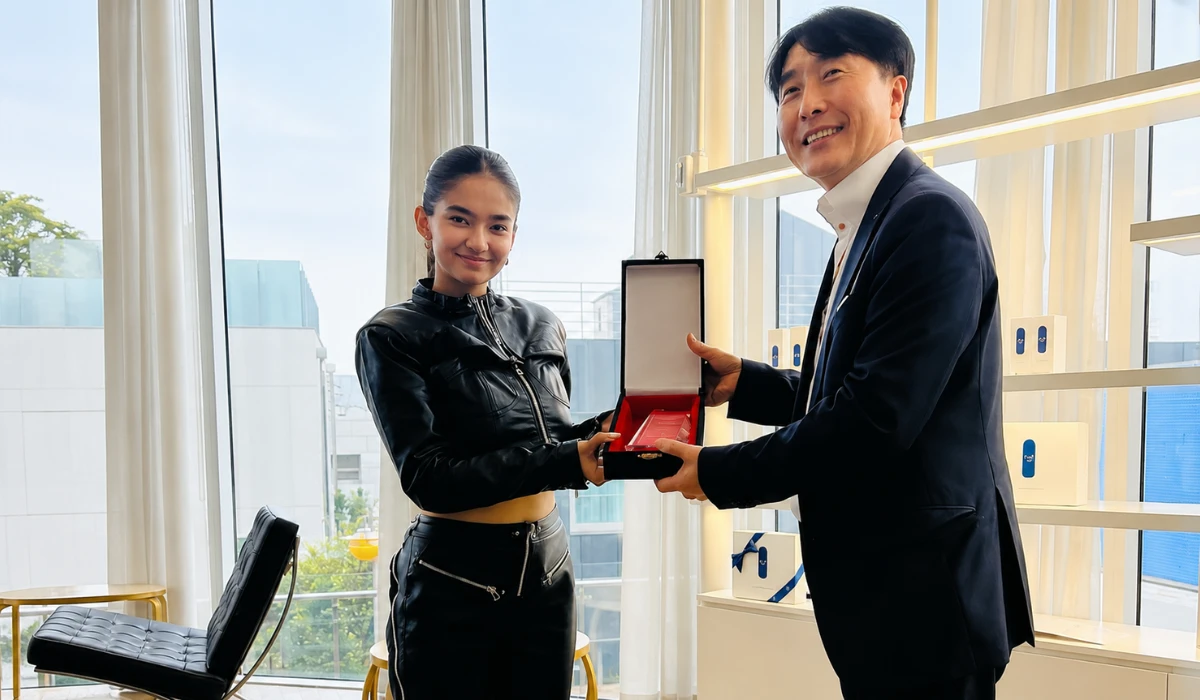
First, the timeline is unusually long and deliberate. This isn't a one-off audition that happened to land. In her interview with THR India, Sen traced the relationship back three years, to when she was named an honorary ambassador for Korea Tourism — a role she described as central to wanting to "be the bridge between Korea and India." That's a slow-built cultural relationship, not an opportunistic casting.
Second, the direction of travel is notable. For decades, the implicit benchmark for an Indian actor's "international" success has been Hollywood. South Korea, riding a decade of global cultural momentum from Parasite, Squid Game, and an enormous K-drama export industry, represents a different kind of crossover — one between two non-Western entertainment ecosystems, rather than the traditional East-to-West pipeline.
"I love that we're in a time where people are crossing boundaries. They're not seeing a project by the language or the country. They're just trying to create something beautiful and unique." — Anushka Sen, to The Hollywood
That sentiment, paraphrased from Sen's own framing, captures something real about how younger Indian performers are starting to think about "going global" — not necessarily westward, but laterally, toward whichever industry is producing work they actually admire.
There's also a quieter, more personal layer to why this project landed the way it did. Sen has spoken about discovering K-dramas during COVID-19 lockdowns, the same period when millions of Indian viewers first encountered Korean content on streaming platforms. For most of that audience, it was a temporary obsession. For Sen, according to her own account, it became a professional ambition — to eventually star in exactly this kind of story.
The Industry Context: India and Korea Are Building Real Pipelines
This isn't an isolated event. South Korea's entertainment industry has been actively courting Indian collaboration for several years — through Korea Tourism ambassador programs, co-production discussions, and increasing crossover interest from Indian streaming audiences. Sen's casting sits inside that broader pattern rather than apart from it.
It's also worth noting what this film is not. It isn't a Korean studio looking for a "novelty" international face to market abroad. According to the project's own framing, Jeju Olle was built from the outset as a multi-market release, with planned distribution across South Korea, India and several other Asian and Middle Eastern countries — suggesting the producers see Sen's casting as commercially central, not symbolic.
What Happens Next: Release Plans and Open Questions
As of late June 2026, Jeju Olle has completed its first shooting schedule, but several practical questions remain unresolved publicly:
- No confirmed release date yet. Reports indicate the film is targeting release across India, South Korea, and additional Asian and Middle Eastern markets, but a specific date has not been announced.
- Distribution strategy is still developing. Given the trilingual dialogue, the film will likely require region-specific subtitling or dubbing decisions that haven't been detailed publicly.
- Commercial performance is genuinely uncertain. A historic casting choice doesn't guarantee box-office or streaming success — the film's reception will be the real test of whether this becomes a template other productions follow, or a one-off.
- Sen has signaled this is part of a longer pattern, not a single project. Her earlier Korean project, a multinational ensemble film originally titled Asia (in which she played an assassin character representing India), suggests she's been building toward sustained work in Korean cinema rather than a single breakout moment.
For Indian actors more broadly, the open question is whether Jeju Olle's success — commercial or critical — encourages Korean productions to cast Indian leads more routinely, or whether this remains a singular case tied specifically to Sen's three-year relationship with Korea Tourism and the Hallyu ecosystem.
#AnushkaSen Become First Indian To Lead Role in Korean Movie 🎬🍿🥰 pic.twitter.com/aAqNkQk5LT
— Shubh Naam TV (@VaibhavRaj99329) June 27, 2026
A Quick Timeline: How We Got Here
|
|
|
|
|
|
|
|
|
|
|
|
|
|
|
|
|
|
|
|
|
The Bigger Picture: A Generational Shift, Not Just a Headline
What makes this story worth more than a 200-word wire update is the generational context behind it. Sen is part of a cohort of Indian performers who grew up consuming Korean entertainment as casually as domestic content — not as an exotic discovery, but as part of their everyday media diet. That changes how they approach international work. Sen didn't enter Korean cinema as an outsider chasing novelty; by her own account, she arrived already fluent in the culture's storytelling conventions, having watched and admired it for years before ever auditioning.
That distinction — between opportunistic crossover and genuine cultural fluency — is likely to matter more as more Indian actors look toward East Asian entertainment markets in the coming years. Whether Jeju Olle becomes a commercial success or simply a well-documented milestone, it has already established a data point that didn't exist before: an Indian actor can lead, not just appear in, a South Korean feature film.
Other Articles to Read: