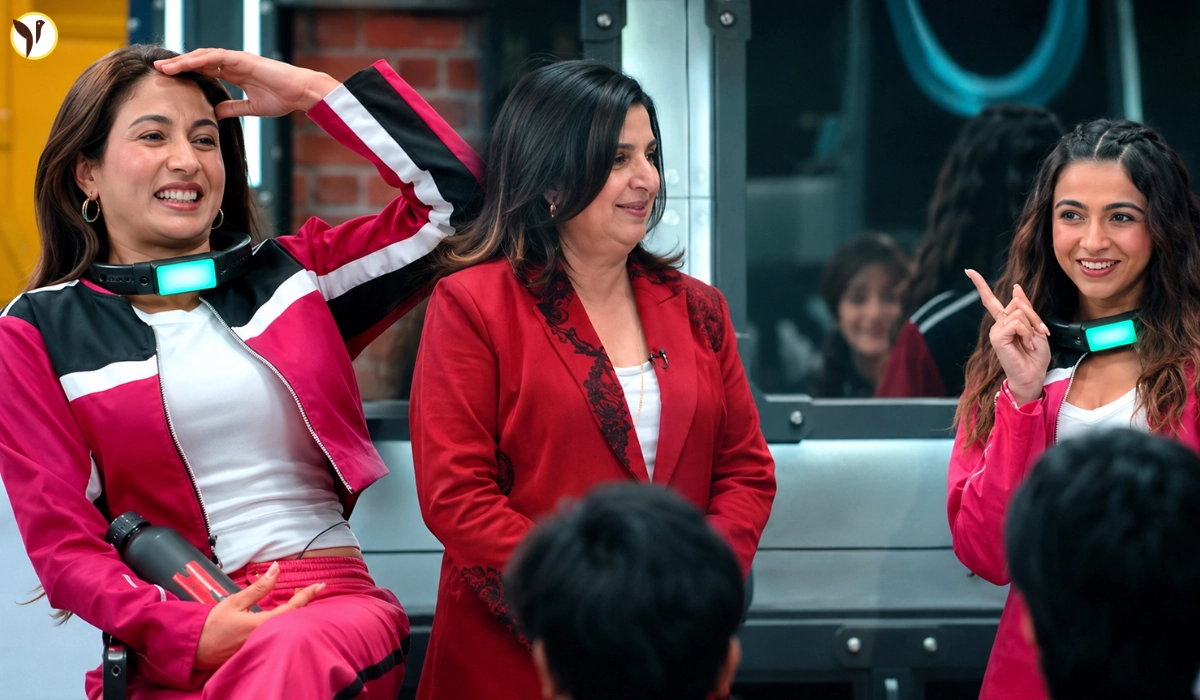


There is a distinct type of exhaustion that sets in when human beings are stripped of their autonomy, locked in a confined space, and filmed continuously. In the early seasons of reality television, audiences tuned in for the manufactured drama; today, the appeal lies in the unscripted fracturing of social contracts. The recent altercation between Apoorva and Shreya on Lock Upp 2 is a textbook example of this phenomenon. When Apoorva looked at Shreya and demanded, "Sorry bolo," it was not merely a request for an apology. It was an assertion of dominance, a test of boundaries, and a flashpoint that reveals the underlying mechanics of reality television survival.
To dismiss this as just another "kalesh" (slang for conflict) is to miss the layered psychological gameplay occurring within the walls of the jail. Here is a comprehensive dissection of what actually transpired, why it matters in the broader context of the show, and how this single interaction alters the trajectory of the game.
The Anatomy of the Altercation: What Actually Happened
Reality television fights rarely begin where the cameras start rolling. The friction between Apoorva and Shreya had been building over a series of minor infractions—misplaced belongings, perceived tones of voice, and the silent accumulation of unreciprocated emotional labor.
The immediate catalyst for the confrontation stemmed from a task debrief. According to the live feed edits and episode broadcasts, a disagreement over task execution bled into personal territory. Shreya made a remark questioning Apoorva’s commitment to the team's strategy. Rather than defending the strategy itself, Apoorva shifted the focus to the perceived disrespect in Shreya’s delivery.
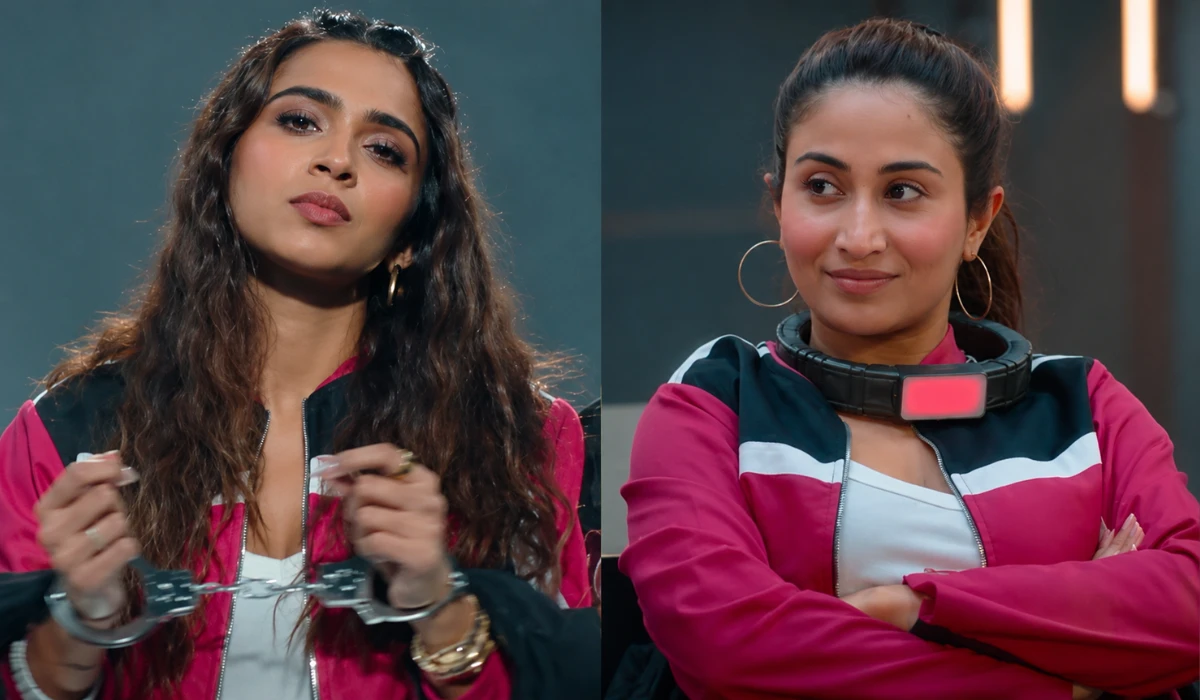
The dialogue escalated rapidly from defensive posturing to an ultimatum. Apoorva stood ground, blocking Shreya's physical path—a classic intimidation tactic in confined spaces—and repeated the phrase, "Sorry bolo" (Say sorry). The demand was devoid of the emotional vulnerability that usually accompanies an apology. It was framed as a transaction: utter the words, and the immediate hostility ceases. Shreya refused, the argument reached a stalemate, and other housemates were forced to intervene as de facto peacekeepers.
Contextualizing the Conflict: The Background
To understand the weight of this moment, one must understand the environment of Lock Upp 2. The show’s premise is psychological attrition. Contestants are deprived of basic luxuries, sleep, and privacy. In this environment, micro-aggressions mutate into macro-conflicts.
Prior to this incident, the power dynamics in their specific block (or "ward") were fluid. Apoorva had been positioning themselves as a straightforward, no-nonsense player who refuses to engage in political maneuvering. Shreya, conversely, had adopted a more diplomatic, socially agile approach, relying on building alliances across different groups.
When Apoorva demanded a public apology, it was a direct challenge to Shreya’s diplomatic shield. For Apoorva, securing a "sorry" would publicly validate their grievance and establish a hierarchical superiority. For Shreya, complying would mean relinquishing social capital and appearing weak to the rest of the inmates.
The Psychology of "Sorry Bolo": Why It Matters
The phrase "Sorry bolo" has become a cultural meme in the Indian digital space, often used to mock entitled behavior. However, from a psychological standpoint, it is a fascinating mechanism of control. When an apology is demanded rather than given, its intrinsic value is destroyed. It ceases to be about remorse and becomes about submission.
Decoding the Apology Archetypes in Reality TV
To fully grasp the weight of Apoorva’s demand, we must categorize the types of apologies typically seen in high-pressure environments. The table below breaks down the taxonomy of the reality TV apology:
|
|
|
|
|
|
|
|
|
|
|
|
|
|
|
|
|
|
|
|
|
|
|
|
|
Apoorva’s approach fell strictly into the "Forced Submission" category. By demanding the apology, Apoorva was not looking for closure; they were looking for Shreya to yield. This is a high-risk, high-reward strategy. It works if the opposing player values peace over pride, but it catastrophically backfires if the opposing player digs their heels in—which is exactly what Shreya did.
The Format as a Catalyst: How Lock Upp Amplifies Friction
It is crucial to note that neither Apoorva nor Shreya are necessarily "bad" people for engaging in this conflict. The Lock Upp format is an engineered pressure cooker. When analyzing this kalesh, we must look at the structural elements that facilitated it:
- Lack of Escape Routes: In the outside world, if someone demands a forced apology, you can walk away. In Lock Upp, you sleep three feet away from that person. The inability to physically separate forces continuous engagement.
- The Audience as the Fourth Wall: Contestants know that passive aggression does not make for good television. Overt, loud confrontations guarantee screen time. Apoorva’s demand was loud, clear, and undeniable—perfect for the highlight reel.
- Sleep Deprivation and Caloric Deficit: While often ignored by viewers, the physical toll of the show lowers the threshold for emotional regulation. A minor disagreement at 10:00 AM becomes a screaming match at 2:00 AM simply because the brain lacks the energy to filter impulses.
Strategic Implications: What Happens Next?
The dust has settled, but the strategic shockwaves of this "sorry bolo" moment are just beginning to ripple through the jail. In a game where the audience votes to save or evict, public perception is everything.
For Apoorva: The risk here is being painted as an aggressor. Indian reality TV audiences have historically punished contestants who appear overly authoritarian or bullying. However, if Apoorva can successfully frame the narrative that they were merely standing up for self-respect against a passive-aggressive antagonist, they could gain sympathy. The key for Apoorva will be to drop the issue immediately post-fight. Continued harassment will solidify the "bully" edit.
For Shreya: By refusing to say sorry, Shreya has claimed the mantle of the resilient underdog. This plays exceptionally well to the galleries. However, Shreya must now be careful not to adopt a victim complex. The audience rewards resilience, but it tires quickly of constant complaining. Shreya’s next move should be to subtly isolate Apoorva socially, proving that while Apoorva can demand words, they cannot control Shreya’s actions or alliances.
The Bystander Effect: Where Do the Others Stand?
A crucial element often overlooked in binary analyses of two-person fights is the reaction of the bystanders. During the "Sorry bolo" standoff, the other inmates were forced to take sides—or at least, to perform taking sides.
Those who remained silent inadvertently supported Apoorva by allowing the intimidation to continue. Those who stepped in to separate them aligned with Shreya. Moving forward, these micro-reactions will dictate the new alliance map. Expect to see a slight polarization in the jail, with contestants quietly distancing themselves from Apoorva to avoid becoming the next target of a public demand for submission.
The Viewer's Lens: Parasocial Dynamics at Play
Why do we care so much about two strangers fighting over an apology? The answer lies in parasocial relationships. Viewers project their own workplace or family dynamics onto these contestants.
Most viewers have encountered an "Apoorva" in their lives—a boss, a relative, or a partner who demands respect through submission rather than earning it through behavior. Conversely, many have been in "Shreya's" position, feeling unjustly cornered and refusing to compromise their dignity just to keep the peace.
This kalesh resonated because it was deeply relatable beneath its sensationalist surface. It wasn't about a task or a misplaced item; it was about the fundamental human right to not be coerced into a false apology. The audience's engagement with this specific fight is a testament to the show’s casting directors, who inadvertently (or intentionally) selected individuals whose psychological profiles were destined to clash in this exact manner.
Conclusion: Beyond the Noise
The "Apoorva Tells Shreya 'Sorry Bolo'" moment will inevitably be clipped, meme-d, and shared across Instagram Reels and YouTube Shorts. It will be reduced to a five-second soundbite. But to consume it only at that surface level is to miss the intricate game theory at play.
This was a boundary-testing exercise that failed. Apoorva miscalculated Shreya’s threshold for defiance. Shreya capitalized on Apoorva’s aggressive posture to secure a sympathetic narrative. As Lock Upp 2 progresses, this fight will not be remembered as a screaming match, but as the exact moment the underlying power dynamics of the season shifted. The real game began the second Shreya refused to say sorry.
Other Articles to Read: