

When a two-minute visual teaser silences the usually cacophonous corridors of social media, it commands attention. That is precisely what happened when the official trailer for director Nitesh Tiwari’s Ramayana dropped, shattering viewership records and igniting a unified chorus of approval from the film fraternity. The internet witnessed a seismic cultural moment as celebrities hailed the Ramayana trailer, with Ranbir and Yash's performance praised not just as good acting, but as a defining milestone in the evolution of Indian mythological storytelling.
This is not merely another high-budget Bollywood venture. It is an ambitious, three-part cinematic universe attempting to distill the ancient Indian epic into a visual language that resonates with a global, modern audience. But beyond the staggering visual effects and the sweeping orchestral score, the trailer’s true anchor is its casting—specifically, the polarizing yet ultimately brilliant choices of Ranbir Kapoor as Lord Ram and Naveen Kumar Gowda (Yash) as the Demon King Ravana.
Here is an in-depth analysis of why the trailer is making waves, what the industry’s praise actually signifies, and what this means for the future of Indian cinema.
The Anatomy of the Praise
Within hours of the trailer’s release, Twitter (X) and Instagram became a digital reception hall for India’s most prominent filmmakers and actors. However, unlike the routine, polite retweets that often plague Bollywood’s echo chamber, the reactions to the Ramayana trailer carried a distinct tone of relief and awe.
The industry had been skeptical. Casting a contemporary star known for playing complex, morally grey characters (Ranbir) as the embodiment of virtue (Lord Ram), and a reigning pan-Indian action hero (Yash) as a villain, was a massive gamble. The trailer proved the gamble paid off.
To understand the scale and nature of this industry reaction, we mapped the public statements and social media endorsements from leading figures.
Industry Reaction Matrix to the Ramayana Trailer
|
|
|
|
|
|
|
|
|
|
|
|
|
|
|
|
|
|
|
|
|
|
|
|
|
|
|
|
|
|
Deconstructing Ranbir Kapoor’s Lord Ram:
To understand why Ranbir Kapoor’s performance is being singled out for exceptional praise, one must look at the inherent difficulty of playing Lord Ram in a modern, post-truth media landscape. Lord Ram is Maryada Purushottam—the epitome of righteousness. In lesser hands, this translates to a rigid, one-dimensional, and ultimately boring character on screen.
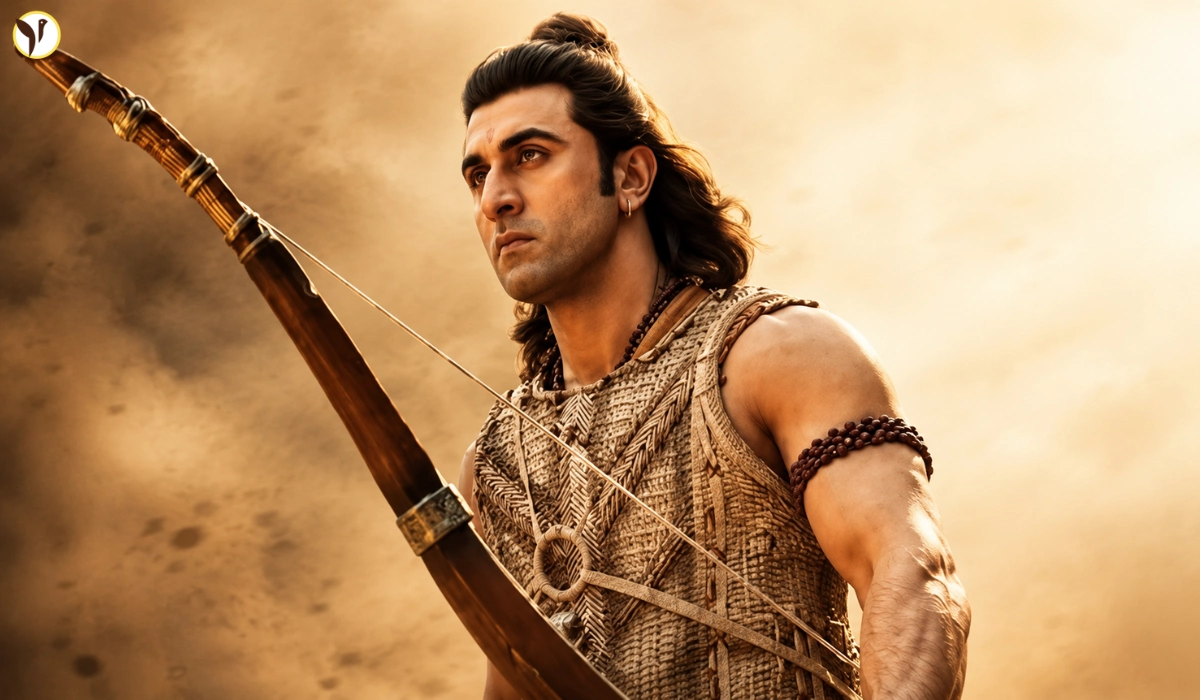
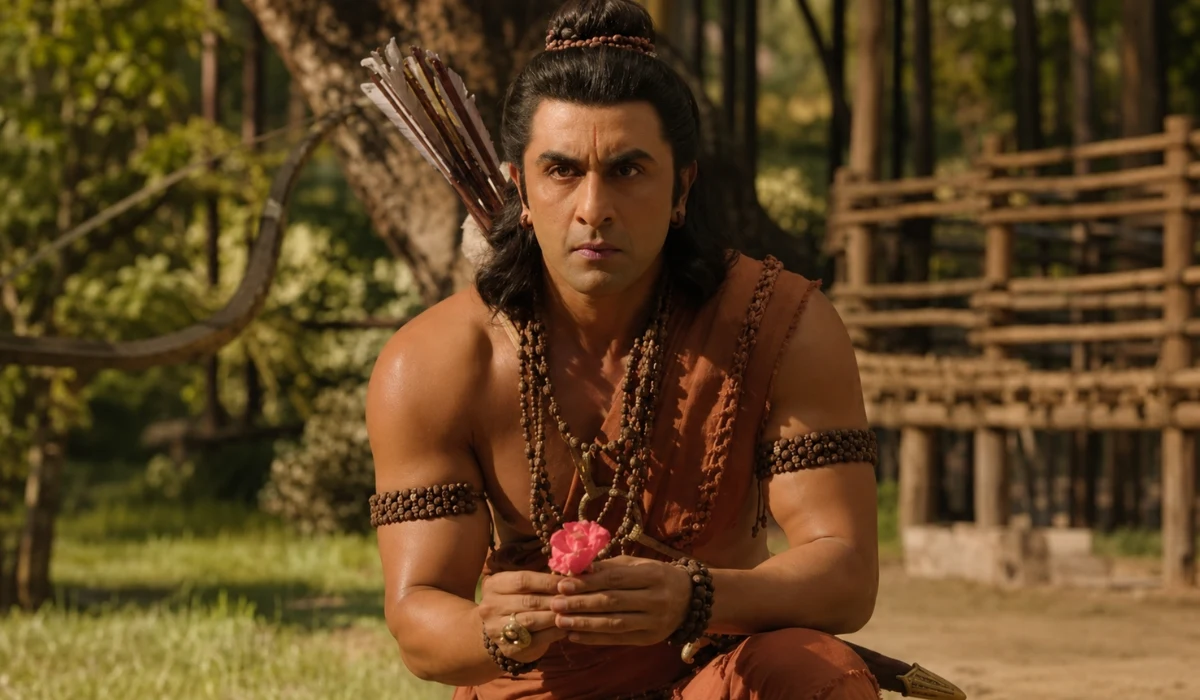
Ranbir’s interpretation, as glimpsed in the trailer, subverts this. He does not play Ram as a superhero; he plays him as a man burdened by duty (Dharma).
- The Physicality: Gone is the bulked-up physique of his recent action-oriented roles. Ranbir appears leaner, his posture slightly weary but unbreakable.
- The Micro-Expressions: The trailer's close-ups reveal everything. When he looks upon Sita (Sai Pallavi), there is an aching tenderness. When he draws his bow, there is no triumphant roar, only a grim resolution.
- The Contrast: This performance is a stark departure from his roles in Animal or Sanju. By stripping away his usual charisma, Ranbir achieves something far more difficult: he makes virtue look heavy.
As noted by several film critics in their initial breakdowns, Ranbir’s Ram feels accessible. He does not feel like a deity placed on a pedestal; he feels like a prince walking through a minefield of moral obligations.
Yash as Ravana:
If Ranbir’s casting was a question of subtlety, Yash’s casting as Ravana was a masterstroke of subversion. Yash rose to pan-Indian stardom by playing Rocky in the KGF franchise—a ruthless, underdog hero who defines the "mass" genre.
Taking an actor who embodies the ultimate alpha-male hero and casting him as the antagonist of India's greatest epic is a risky move. Audiences expect Yash to be the savior. Yet, the trailer reveals a performance of terrifying magnitude.
Why Yash's Performance Works:
- Intellectual Menace: Yash’s Ravana is not a mindless beast. The trailer hints at a ruler who believes he is right, a scholar-king whose ego rivals his ten heads.
- Vocal Modulation: Early glimpses suggest Yash has drastically altered his baritone, employing a more measured, aristocratic cadence rather than the gravelly screams associated with KGF.
- Visual Dominance: When Yash appears on screen, he commands the frame. The VFX and costume design serve his performance, making him an imposing physical threat that makes the prospect of war feel genuinely daunting.
By casting Yash, Nitesh Tiwari ensures that the central conflict of the Ramayana feels balanced. A hero is only as good as his villain. If Ravana is diminished, Ram's eventual victory feels hollow. Yash elevates the entire narrative by promising an adversary of unprecedented scale.
Why This Ramayana Matters Now
It is impossible to view this trailer in a vacuum. Indian cinema is currently in a transitional phase, grappling with the "Pan-India" phenomenon. South Indian cinema has largely dictated the terms of large-scale mythological and historical storytelling (Baahubali, Kantara, RRR). Bollywood, despite its massive reach, has struggled to produce an epic that feels culturally authentic yet globally competitive.
Ramayana is Bollywood’s definitive attempt to reclaim this space. The praise from celebrities across industries—be it Telugu cinema’s Prabhas or Tamil cinema’s directors—signals that the film has crossed the linguistic and cultural borders that often divide Indian cinema.
The Evolution of Indian Mythological Cinema Leading to 2024/2025
|
|
|
|
|
|
|
|
|
|
|
|
|
|
|
|
|
|
|
|
|
|
|
|
|
|
|
|
|
|
The Impact on the Industry
The overwhelming positive reception to the trailer has immediate and long-term implications for the Indian film ecosystem.
1. The Validation of Risk-Taking Casting: For years, casting directors have relied on safe, typecast choices. If Ramayana succeeds, it will prove to studios that audiences are intelligent enough to accept a mainstream romantic hero as a stoic deity, and a mass-action hero as a complex villain.
2. The Bar for VFX is Permanently Raised: Produced by Namit Malhotra’s Prime Focus Studios (the powerhouse behind much of Hollywood's recent VFX), the trailer displays a texture and lighting quality that Indian audiences have rarely seen in homegrown epics. The forests of Chitrakoot and the golden city of Lanka do not look like green-screen backdrops; they possess physical weight. This sets a new baseline that future historicals will be judged against.
3. Cultural Consolidation: At a time when regional pride often translates to animosity toward Bollywood, the Ramayana trailer has acted as a unifying force. Seeing a Kannada superstar (Yash), a Malayalam-Tamil star (Sai Pallavi), and a Bollywood flagship actor (Ranbir) share screen space in a story owned by every Indian is a powerful statement of cultural synergy.
The Road to Theatrical Release
While the trailer has won the first battle, the war for box office supremacy and legacy is just beginning. Here is what industry insiders and trade analysts are projecting for the coming months:
- The Marketing Pivot: Having established the visual scale and the casting, the marketing strategy will now need to shift. The next set of teasers will likely focus heavily on the emotional core—the exile (Vanvas), the abduction of Sita, and the emotional devastation that drives the narrative.
- The Box Office Projections: Early trade estimates suggest the film is tracking to break opening day records globally, particularly in the Hindi, Telugu, and Kannada belts. The involvement of Yash guarantees a massive opening in the South, while Ranbir secures the North and overseas markets.
- The Awards Conversation: If the full film holds the tonal balance promised by the trailer, we could see Indian cinema pushing heavily for international awards consideration, moving away from the "poverty porn" or "slumdog" narratives often exported to the West, and instead offering a high-fantasy epic rooted in Indian philosophy.
A New Chapter for Indian Epics
The chorus of praise from across the film industry for the Ramayana trailer is not just standard industry networking; it is a collective recognition that Indian cinema has finally cracked the code on its own mythological heritage. By prioritizing character depth over mere spectacle—anchored by Ranbir Kapoor’s restrained, burdened Ram and Yash’s towering, intellectual Ravana—Nitesh Tiwari has crafted a preview that feels both ancient and urgently modern.
When celebrities hail the Ramayana trailer, and Ranbir and Yash's performance is praised with such specificity, it signals a shift. We are moving away from treating our epics as cheap, devotional cash-grabs and finally treating them with the gravity, budget, and artistic respect they deserve. If the feature film delivers on the promise of this two-minute glimpse, Indian cinema will have permanently altered its own timeline.
Other Articles to Read: