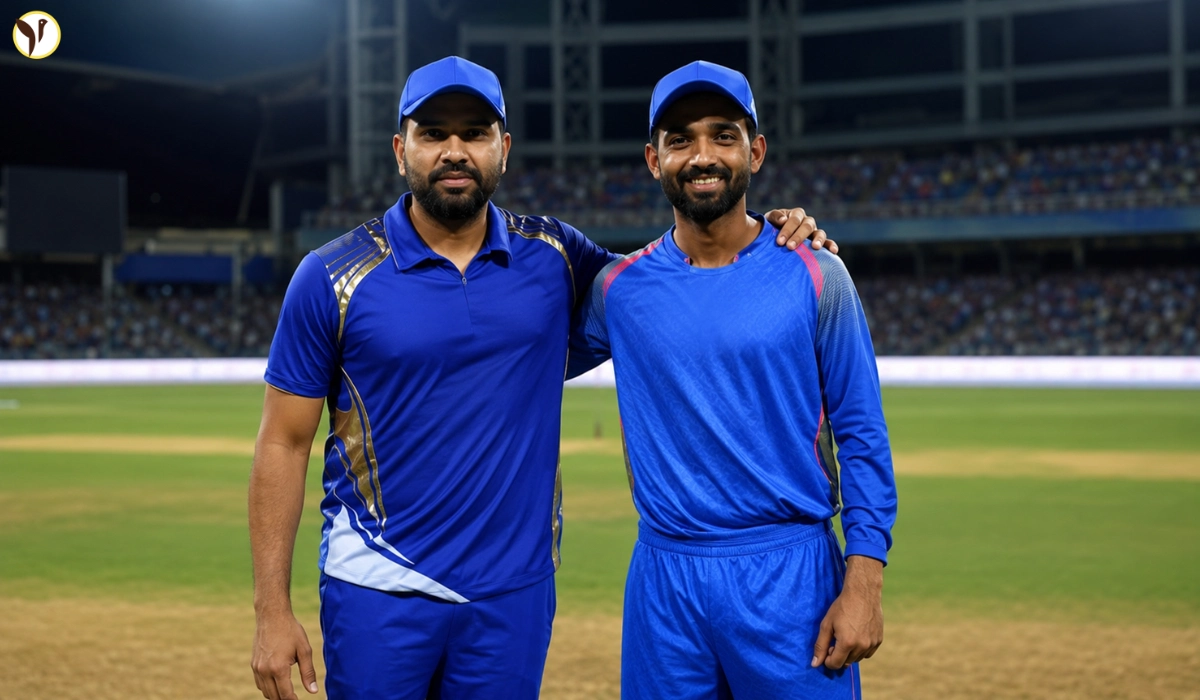
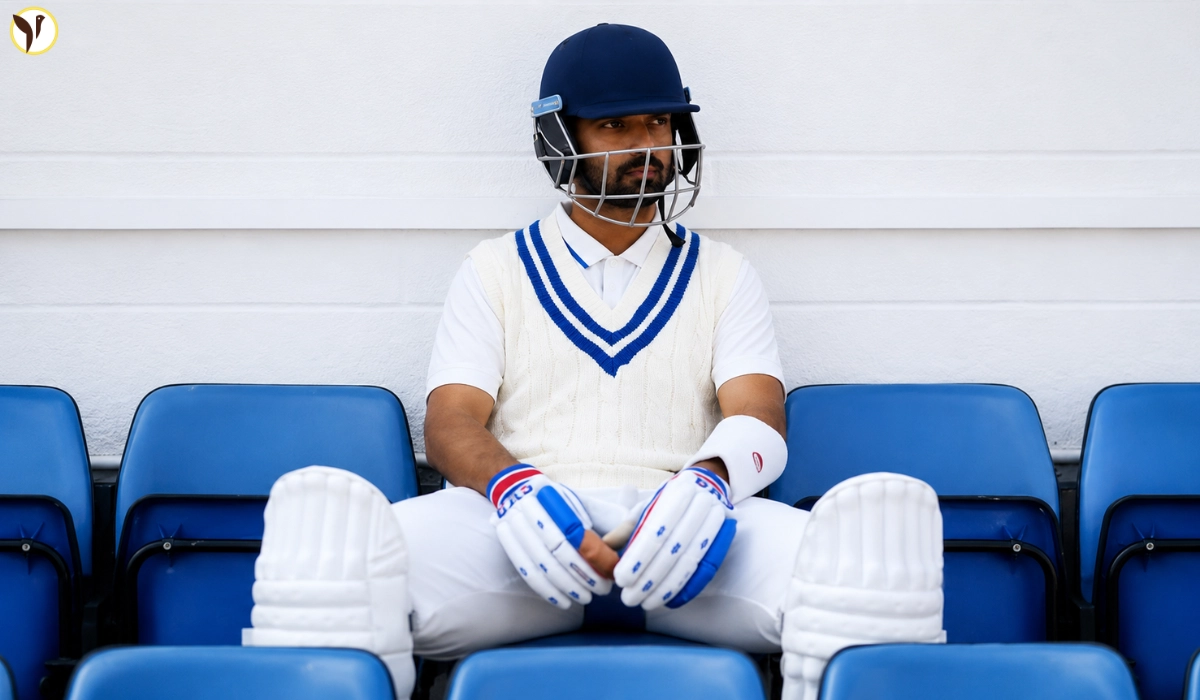


When a cricketer of Ajinkya Rahane’s pedigree steps away, the silence left behind is almost audible. Known for his stoic demeanor at the crease and an unflappable technique that has bailed India out of perilous situations on more than a dozen occasions, Rahane has officially closed his Indian Premier League (IPL) chapter. The news broke quietly—typical of the man himself—when Ajinkya Rahane said goodbye to cricket's IPL frontier, posting an emotional note that captured the gratitude, struggles, and quiet triumphs of a 15-year franchise journey.
For a generation raised on the raw, unabashed aggression of T20 cricket, Rahane was an anomaly. He was the classical pianist in a room full of electric guitarists. His departure is not merely a roster update; it is the symbolic end of an era that proved traditional batting fundamentals could survive, and even thrive, in the sport's most chaotic format.
Here is a comprehensive look at what transpired, why Rahane’s IPL journey matters far beyond his statistics, and what the next chapter holds for the veteran.
A Rare Glimpse Behind the Stoicism
Late on a quiet evening, Rahane took to social media to address his future. The note was characteristically humble, yet deeply personal. He did not announce an international retirement, but specifically marked his exit from the IPL—the tournament that molded his white-ball identity.
"The IPL has been my second home," the note read in part. "From a young boy walking into the Mumbai Indians dressing room to lifting the trophy with Chennai Super Kings, every season was a masterclass in learning and unlearning. The lows taught me patience, and the highs taught me humility. It is time for a new chapter, but the memories will forever remain etched in my heart."
The emotional weight of the post stems from Rahane’s well-documented public persona. He rarely shows frustration. He barely changes his expression whether he is on 0 or 100. To see him openly acknowledge the "lows" and the mental toll of navigating a demanding franchise circuit offered fans a rare, authentic glimpse into the human element of elite sports.
A Tale of Two Halves
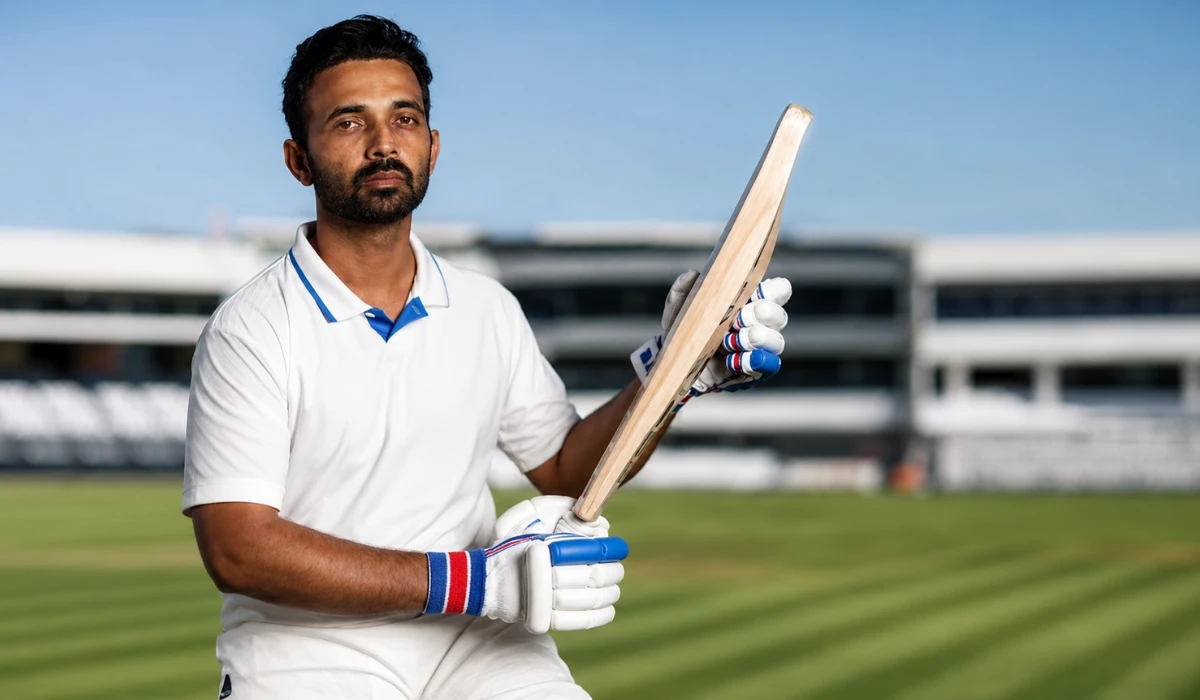
To truly understand Rahane’s IPL career, one cannot simply look at a cumulative batting average. His journey demands a split-screen view. There is the Rahane of the early-to-mid 2010s, who was a run-machine and a future captain. Then, there is the Rahane of the late 2010s and early 2020s, who faced a catastrophic dip in form, was dropped, and was forced to completely reinvent his game to stage one of the most remarkable comebacks in league history.
Below is an original analysis of his franchise trajectory, highlighting the tactical shifts in his game.
|
|
|
|
|
|
|
|
|
|
|
|
|
|
|
|
|
|
|
|
|
|
|
|
|
|
|
|
|
|
|
|
|
|
|
|
|
|
|
|
|
|
The Death and Resurrection of the "Anchor"
When analysts discuss Rahane’s IPL legacy, the focus often shifts to his Test match heroics (like the Melbourne 2020 masterclass). However, his IPL journey is arguably a more compelling case study in sports psychology and adaptability.
Proving the Purists Wrong
For years, the cricketing consensus was that players with Rahane’s traditional technique—straight bat, high elbow, preference for ground strokes—would be rendered obsolete by the advent of 100-meter sixes and switch-hits. Rahane subtly defied this. During his peak with the Rajasthan Royals, he scored over 500 runs in three consecutive seasons (2012-2014) without ever resorting to slogging. He found gaps that didn't seem to exist, proving that spatial awareness and timing could rival brute force.
The Humbling of the Modern Athlete
The years between 2019 and 2022 were unkind. Franchises prioritized youth and impact. Rahane found himself unsold at auctions, picked up as a replacement, and ultimately dropped. In a hyper-competitive ecosystem, many athletes spiral under such public rejection. Rahane’s response was to go back to the drawing board, abandon the very techniques that made him famous, and adopt a more open stance to access the leg-side boundary—something he had historically ignored.
The Chennai Super Kings Masterclass
His stint with CSK under MS Dhoni is the ultimate testament to his character. Dhoni doesn't sign passengers. He saw a batter who still possessed exceptional hand-eye coordination and asked him to play an entirely different game. Rahane’s strike rate jumped from the low 100s to the high 130s. He wasn't just surviving; he was dominating powerplays. It was a victory of intellect over declining physical athleticism.
The Road Beyond the IPL
Rahane’s farewell note specifically mentioned the IPL, cleverly leaving the door ajar for other formats. But what does the immediate future look like for the 36-year-old?
- Red-Ball Cricket (Ranji Trophy & Test Leadership): Rahane recently led Mumbai in the Ranji Trophy final. His first-class appetite remains ravenous. Without the logistical and mental drain of a two-month IPL campaign, Rahane can focus entirely on shepherding young domestic talent and extending his first-class career. He remains a vital backup for India's Test squad, especially during overseas tours where his experience is invaluable.
- The Transition to Mentorship/Coaching: Franchises value calm heads. Rahane is already being tipped for a role as a batting consultant or mentor in the IPL. Given his recent experience in overhauling his own technique under high pressure, he is uniquely qualified to help struggling traditional batters adapt to T20 cricket.
- Commentary and Broadcasting: With his articulate nature, deep understanding of the game's nuances, and fluent English, Rahane is a prime candidate for the commentary box, much like his contemporary, Sunil Gavaskar, or his former captain, Virat Kohli's era-mate, Mayank Agarwal (who has recently dabbled in broadcasting).
How Historians Will View Rahane's T20 Career
From a tactical standpoint, Rahane’s IPL career is a bridge between two distinct eras of Indian T20 cricket.
Consider the landscape when he debuted in 2008: the IPL was an experiment. When he exits in 2024, the IPL is a multi-billion-dollar science project where every millisecond of a batter's backlift is analyzed by AI. Rahane survived this transition not because he was the most athletic, but because he possessed the highest "cricket IQ" of his generation.
He never won an Orange Cap. He doesn't hold the record for the most sixes. Yet, if you ask any bowler who played against him during his peak, they will tell you how frustrating it was to bowl to a man who simply refused to make a mistake. His legacy is that of a silent assassin—a reminder that in a game increasingly defined by chaos, elegance and precision still have a place.
Other Articles to Read: