
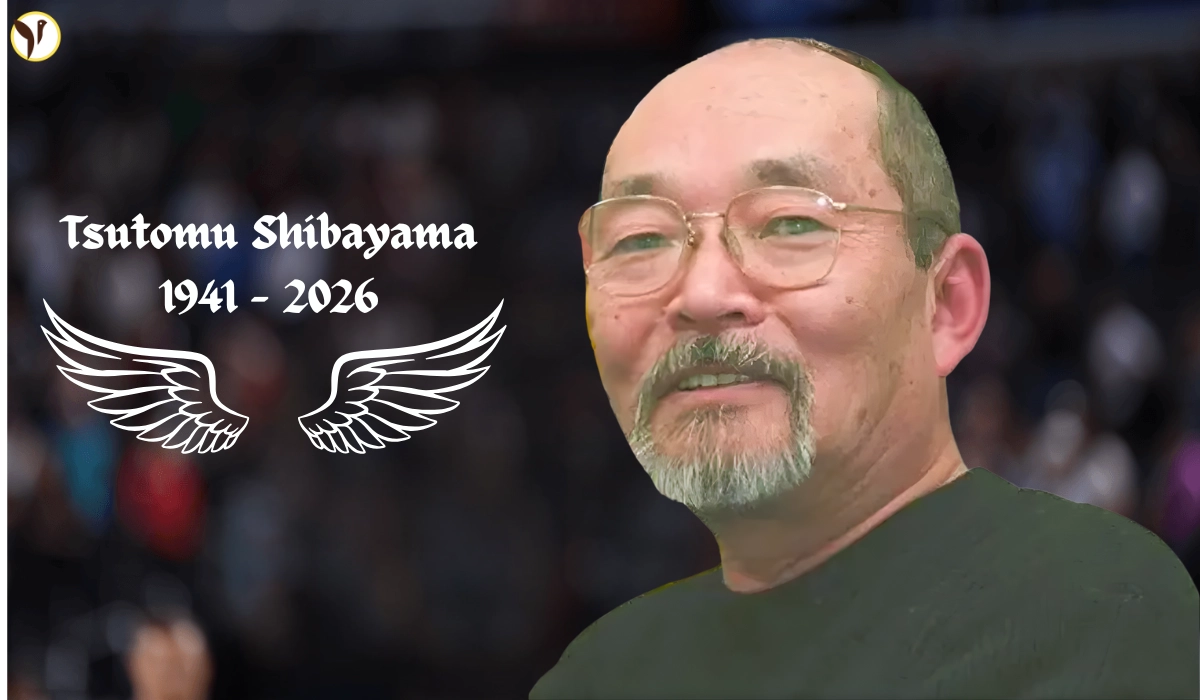


Doraemon director Tsutomu Shibayama dies at 84 Veteran Japanese anime director Tsutomu Shibayama, whose name is almost inseparable from the blue robotic cat Doraemon, has died at the age of 84. His studio, Ajia‑do Animation Works (often written as Asia‑do), announced on March 17, 2026 that Shibayama passed away on March 6, 2026, due to lung cancer. The news quickly spread across social media, anime forums, and news sites, with fans from India, Japan, Southeast Asia, and beyond sharing emotional tributes to the man who guided their childhoods through animation.
Date‑wise timeline of the news (up to 19 March 2026)
To keep the story clear and trustworthy, here’s how the news has unfolded up to 19 March 2026:
-
March 6, 2026 (Day of death)
Tsutomu Shibayama passes away at the age of 84 in Japan after a long fight with lung cancer. The studio does not immediately announce the news publicly, and the family holds a private funeral. -
March 17, 2026 (First official announcement)
Ajia‑do Animation Works posts an official statement on its website and through industry channels, confirming that former CEO and director Tsutomu Shibayama died on March 6 from lung cancer. English‑language and Indian entertainment sites such as India Today, Telegraph India, and others pick up the news and publish short breaking‑news posts. -
March 18–19, 2026 (News spreads globally)
Multiple Indian and international outlets publish detailed reports, obituaries, and tributes. Social media floods with fan‑made art, GIFs, and reels remembering classic Doraemon episodes and films directed by Shibayama. Searches for “Doraemon director death” and “Tsutomu Shibayama” spike on Google and social platforms, indicating strong public interest.
By 19 March 2026, two main threads are visible in the coverage:
- News reports focus on the facts of his death, his role at Ajia‑do, and his decades‑long work on Doraemon and other anime series.
- Fan tributes highlight how his direction shaped their childhoods, with many calling him the “soundtrack of their childhood” or “the father of their favourite cartoon”.
Who was Tsutomu Shibayama?
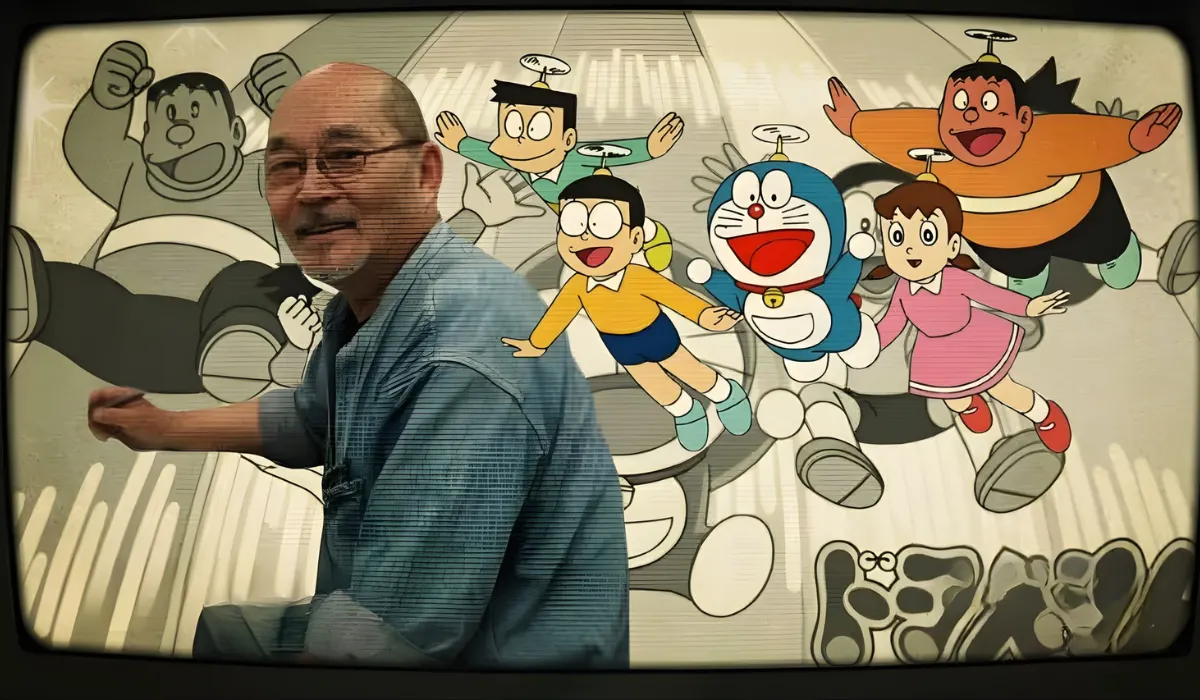
Tsutomu Shibayama was not just a director; he was one of the key creative architects behind the modern Doraemon experience. He was a co‑founder and former President and CEO of Ajia‑do Animation Works, a studio that has played a major role in Japanese TV anime for decades. Under his leadership and direction, Doraemon grew from a popular manga into a global cultural phenomenon watched by children from Tokyo to Delhi, Bangkok, Manila, and beyond.
Born in Japan in the 1940s, Shibayama entered the anime industry at a time when TV animation was still in its early stages. Over his career, he worked on several long‑running series, but his deepest association was always with Doraemon, the story of a blue time‑traveling cat who helps a clumsy boy named Nobita Nobi fix his daily problems.
People who write about him often use the phrase “over two decades” to describe his time with Doraemon. Whether as main TV series director, film director, or general director, Shibayama’s touch shaped how fans around the world learned to see Nobita, Doraemon, Shizuka, Gian, and Suneo.
How long did Shibayama work on Doraemon?
Tsutomu Shibayama’s connection with Doraemon is usually described as more than 20 years, covering both the TV series and the feature‑length films. Different sources slightly vary in wording, but all agree he was a central figure during the most stable and globally popular era of the franchise.
Reports from Ajia‑do and major news outlets note that he:
- Directed or supervised multiple Doraemon TV seasons, helping define the show’s tone, pacing, and visual style.
- Led or greatly influenced the production of several Doraemon movies, which became annual winter events in Japan and later in many Asian countries.
- Ensured that the balance between funny daily life, family problems, and big sci‑fi adventures stayed consistent across years and episodes.
This long‑term involvement is why many fans today feel such a personal connection to his passing. For them, “Shibayama’s Doraemon” is not just a brand; it is the specific version they watched as kids, often dubbed in Hindi, Bengali, Tamil, or other Indian languages.
Other anime series he directed or produced
Although Doraemon remains his most famous work, Tsutomu Shibayama also contributed to other well‑known Japanese anime series. These shows matter because they show that his influence spreads beyond one franchise and helps explain why the anime industry is calling him a legend or “father of national animation”.
Among the titles often linked to him are:
- Chibi Maruko‑chan (Little Maruko) – A gentle, slice‑of‑life comedy about a young girl and her family, popular in Japan and Asia.
- Nintama Rantaro (Nintama Rantarō) – A ninja‑school comedy series that has run for many years on Japanese TV. Shibayama is described as the general director for this show.
- Majime ni Fumajime Kaiketsu Zorori (Kaiketsu Zorori) – A comedy‑adventure series about a fox who dreams of becoming the “King of Pranks”.
These series share a few things in common with Doraemon: strong family themes, humour aimed at children, and long run‑times that keep the same creative team for many seasons. This pattern suggests that Shibayama valued steady, long‑term storytelling over quick, flashy projects.
How did Ajia‑do Animation Works react?
Ajia‑do Animation Works, the studio Shibayama co‑founded and once led, has been the primary source of the official news. Their statement, republished on several news sites, is short but emotionally heavy.
Key points from the studio’s message:
- They confirm that “Former CEO Tsutomu Shibayama passed away on March 6, 2026, from lung cancer.”
- They praise him as a director who oversaw the Doraemon TV anime and theatrical films “for over 20 years”, calling his contributions “profound”.
- They mention that he also served as general director on Nintama Rantaro, reinforcing his role across multiple long‑running series.
- They ask the public to respect his memory rather than send flowers or money, which is a common Japanese practice for private, family‑focused funerals.
The studio’s tone is respectful and calm, which has helped keep the online conversation focused on his legacy and art, instead of on sensational details.
What caused his death?
Tsutomu Shibayama died due to lung cancer, a serious illness that affects the lungs and can make breathing difficult over time. Multiple news outlets that picked up the studio’s statement specifically mention lung cancer as the cause of death and note that he had been battling the disease for a long time.
Lung cancer is often linked with factors such as smoking, air pollution, or long‑term exposure to harmful dust and chemicals, but official reports have not shared details about his personal health habits. Because of this, it is best to avoid guessing and instead focus on the clear facts: he passed away at 84 after a prolonged illness, and his studio has asked the public to remember his creative work.
For fans, this also serves as a quiet reminder that the people who create the cartoons they love are real human beings who face the same health challenges as everyone else.
Why is his death so emotional for fans?
Ask any millennial or Gen‑Z anime fan in India, and many will say that Doraemon shaped their childhood in some way. Whether they watched it on Doordarshan, Sony TV, Cartoon Network, or YouTube dubs, the image of a blue robot cat pulling gadgets from a 4D pocket is instantly recognizable.
Against that background, Shibayama’s death feels like:
- The end of an era for the “classic” Doraemon TV and movie era.
- A personal loss, because many fans truly grew up watching his version of the show.
- A reminder that the creators behind beloved characters are not immortal, even if the cartoons feel timeless.
Social media posts on Instagram and X (formerly Twitter) show fans sharing stills from episodes, movie posters, and even their own childhood drawings of Doraemon, with captions like “Childhood over?” or “Our blue cat is crying today.” These emotional reactions show that his impact goes far beyond ratings and box‑office numbers.
How Doraemon shaped childhoods worldwide
To understand why Shibayama’s passing hits so hard, it helps to look at what Doraemon actually did in the lives of kids and young adults.
Some key ways Doraemon influenced viewers:
-
Normalised failure and kindness
Nobita is not a genius or a superhero. He is clumsy, lazy in studies, but also kind and honest. Doraemon’s gadgets don’t always fix things perfectly, which teaches kids that mistakes are part of life. -
Encouraged imagination and problem‑solving
Many episodes start with a simple problem—exam stress, fear of a bully, or a parental argument—and then show Nobita using a gadget (and often failing or learning a lesson). This made children curious about how things work and how they might solve problems in real life. -
Global reach with local relatability
Although the story is set in Japan, the themes of school pressure, family arguments, and friendship drama are universal. That is why Indian, Chinese, and Southeast Asian kids could relate to Nobita even if they had never seen a Japanese classroom.
In this sense, Shibayama did not just “make a cartoon”; he helped design a shared emotional language for a generation.
Tsutomu Shibayama, the filmmaker widely known for his work on the Doraemon animated franchise, has passed away at the age of 84 after battling lung cancer, marking the end of a remarkable career that played a major role in shaping one of the most loved anime series watched by… pic.twitter.com/NuD78MZT2N
— The Daily Jagran (@TheDailyJagran) March 19, 2026
How news sites are remembering him
As of 19 March 2026, several Indian and international entertainment websites have published dedicated articles and obituaries.
Typical elements in these reports:
- A short headline calling him the “Doraemon director” or “father of the iconic anime”.
- A brief life sketch mentioning his role at Ajia‑do Animation Works and his work on Doraemon, Nintama Rantaro, and other series.
- A quote or paraphrased line from the studio’s statement about his 20‑year‑plus work on Doraemon.
- A short mention of fans’ reactions on social media, sometimes with links to Instagram reels or X posts.
Because so many sites are covering this under similar headlines, it is important for your own article to stand out by adding extra context, clear timelines, and simple explanations that help readers—especially younger ones—understand why this news matters.
Childhood Over? A Final Goodbye to Doraemon’s Director
For many of us, the news that Doraemon director Tsutomu Shibayama has passed away at 84 feels like a quiet end to a very loud part of our childhood. His soft, steady hand behind the scenes shaped how Nobita struggled, laughed, and grew up on our TV screens for years. Now that he is gone, the blue cat on the screen still smiles, but the man who helped bring that smile to life is no longer with us.
Other Articles to Read: