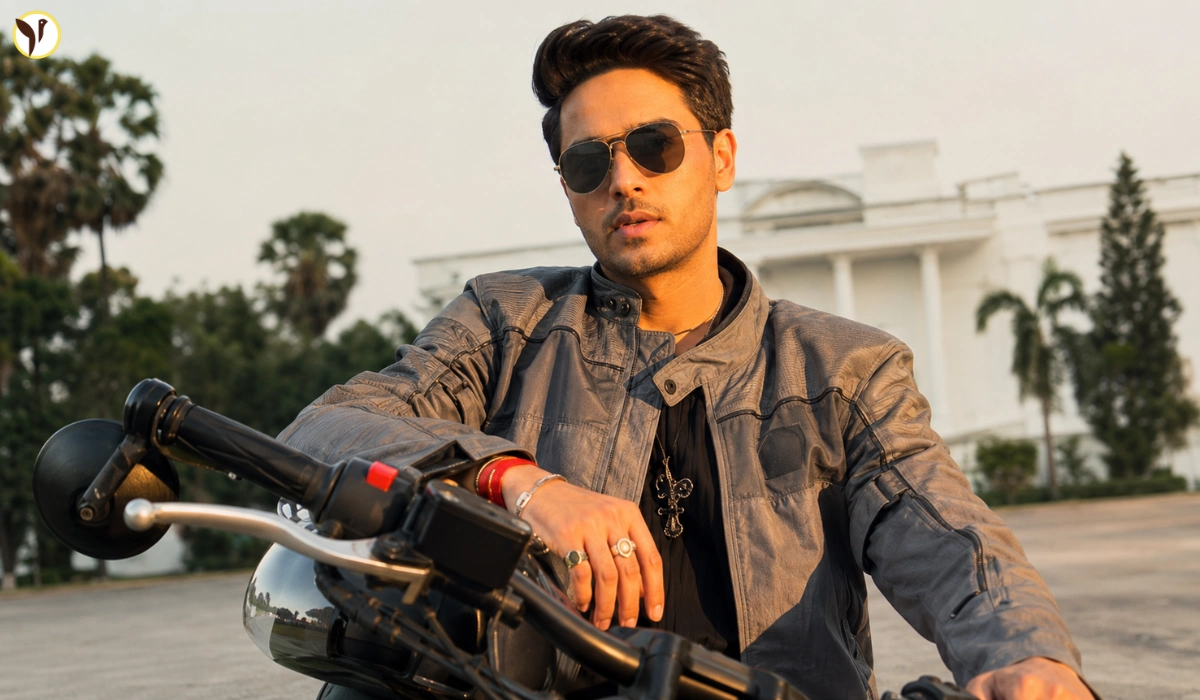


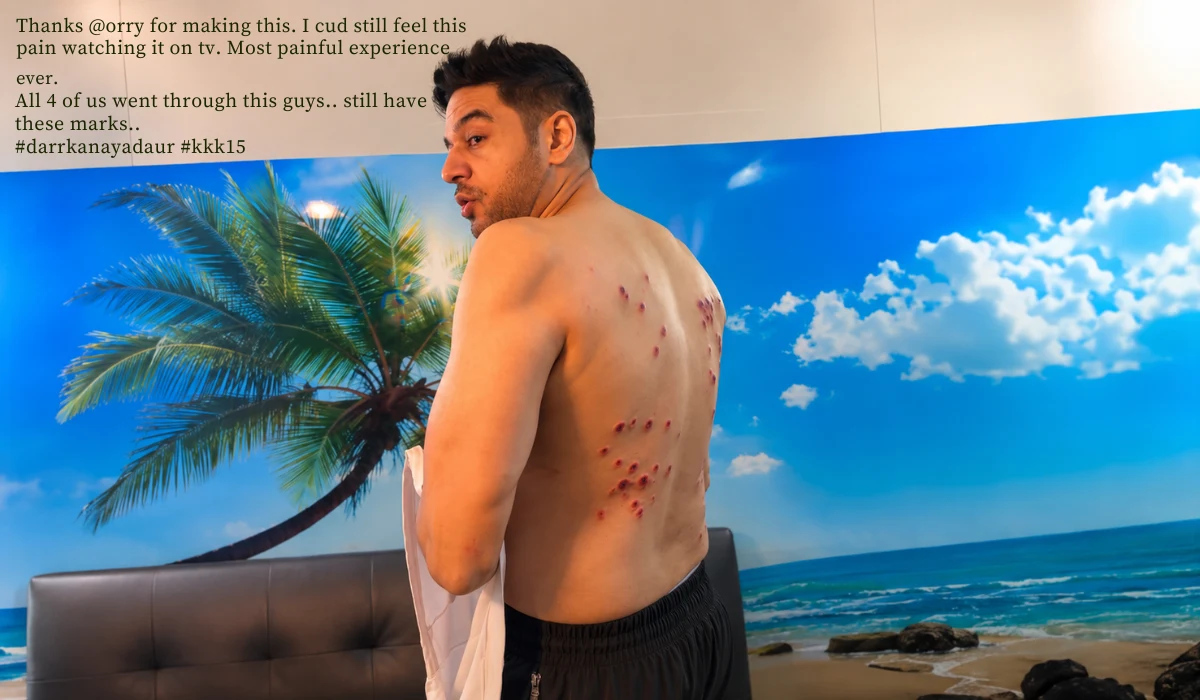
The glitz and glamour of reality television often mask the grueling physical and psychological toll it takes on participants. Recently, the darker side of this entertainment ecosystem was thrust into the spotlight when popular television actor Gaurav Khanna shared painful KKK 15 injury photos, accompanied by startling bullying claims.
The incident has rapidly shifted the conversation surrounding Khatron Ke Khiladi Season 15 (KKK 15) from lighthearted celebrity elimination gossip to a serious discourse on participant welfare, production ethics, and the fine line between pushing limits and enabling abuse.
But beyond the sensational headlines, what actually occurred on the set in Cape Town? And why does this specific incident matter for the broader landscape of Indian reality TV?
What the Photos Reveal
Gaurav Khanna, widely recognized for his disciplined portrayal in the blockbuster Star Plus show Anupamaa, is not typically associated with extreme stunt-based reality television. His transition into the high-octane environment of KKK 15 was viewed as a fresh departure from his usual domestic drama roles. However, the physical demands of the show quickly became apparent.
The photos shared by Khanna depict severe contusions, deep abrasions, and significant swelling across his limbs. While minor injuries are considered an occupational hazard on Khatron Ke Khiladi—a show predicated on facing fears and performing dangerous stunts—the visual severity of Khanna’s injuries suggested a lapse in immediate medical intervention or stunt calibration.
In an industry where actors are often contractually obligated to project resilience, the decision to publicly display raw, unfiltered images of physical trauma is highly unusual. It signals a breaking point where the individual felt that internal grievance mechanisms had failed.
Decoding the "Bullying" Claims: Pressure vs. Harassment
The more complex and legally weighty aspect of Khanna’s revelation is the allegation of bullying. In the context of a stunt-based reality show, "bullying" rarely manifests as traditional schoolyard taunting. Instead, it usually takes the form of systemic pressure.
Based on Khanna’s statements and the surrounding context, the bullying claims likely fall into three categories:
- Host-Driven Intimidation: Khatron Ke Khiladi host Rohit Shetty is known for his strict, no-nonsense demeanor and sharp on-screen roasts of contestants. While this is framed as "tough love" or entertainment for the cameras, the continuous degradation can create a hostile psychological environment, especially when a contestant is already in physical pain.
- Peer Dynamics and Isolation: Reality TV formats thrive on conflict. Editing and production manipulation can isolate contestants who do not fit the extroverted, highly competitive mold, leading to off-camera alienation.
- Production Coercion: The most critical form of bullying in this context involves pressuring an injured contestant to perform stunts despite medical advisories, using guilt trips about "quitting" or letting the team down.
It is vital to distinguish between aggressive coaching and actual bullying. However, when physical harm is present, the threshold for what constitutes a hostile environment significantly lowers.
The Reality TV "Waiver" Problem:
To understand why Gaurav Khanna’s public outcry is a rarity, one must examine the legal architecture of reality television. Before stepping foot in Cape Town, every KKK contestant signs exhaustive liability waivers.
These contracts generally include:
- Assumption of Risk: Acknowledgment that severe injury or death is a possibility.
- Medical Release: Granting the production house the right to make medical decisions on the contestant's behalf.
- Non-Disparagement Clauses: Strict legal bindings preventing contestants from speaking negatively about the show, the host, or the production house (Banijay Asia/Colors TV) during or after the airing of the show.
When a contestant like Khanna breaks this silence, they are not just risking their reputation; they are potentially facing massive legal repercussions and breach-of-contract lawsuits. The fact that he chose to share the KKK 15 injury photos anyway indicates that the perceived injustice outweighed the fear of contractual penalty.
A Pattern of Endangerment?
Khanna’s claims do not exist in a vacuum. Indian reality television, particularly stunt and survival-based formats, has a fraught history with contestant safety.
|
|
|
|
|
|
|
|
|
|
|
|
|
|
|
|
|
|
|
|
|
|
|
|
|
|
|
|
|
|
|
|
|
|
|
|
The Psychological Toll of "Manufactured" Resilience
We often consume reality TV as a passive, mindless escape. However, the human cost is real. When Gaurav Khanna shares his injuries and speaks of bullying, it shatters the illusion of the "brave celebrity having fun."
The psychological toll of being in a foreign country, stripped of communication with family, dealing with physical pain, and facing a camera crew 24/7 is immense. When producers leverage this vulnerability to extract higher ratings—forcing someone to do a stunt they are physically or mentally unequipped for—it crosses an ethical line.
Khanna’s background in daily soaps, where schedules are long but environments are controlled, makes his exposure to the chaotic, high-stress environment of KKK 15 even more jarring. His experience highlights a fundamental flaw in casting: selecting individuals based on their TRP pull rather than their physical or psychological readiness for extreme sports.
The latest episode of Khatron Ke Khiladi 15 turned out to be a painful one as contestants took on a high-intensity body-blocking stunt involving high-speed balls.
— India Forums (@indiaforums) August 3, 2026
Gaurav Khanna suffered a back injury while performing the task. After the episode aired, the actor shared a video… pic.twitter.com/81MtYXWfw2
Legal and Industry Implications
The fallout from these allegations will likely unfold in three stages:
1. The PR Chess Match: Historically, production houses like Banijay Asia and networks like Colors TV employ a "wait and watch" strategy. They will likely monitor the public sentiment. If the outrage grows, they may release a statement emphasizing their "rigorous safety protocols" and "top-tier medical teams," subtly shifting the narrative to suggest the injuries were unfortunate but unavoidable, and denying the bullying allegations.
2. The CINTAA Intervention: The Cine and TV Artists’ Association (CINTAA) takes a dim view of unsafe working conditions. If Khanna formally lodges a complaint, CINTAA could intervene, demanding an internal inquiry. While reality show contracts are notoriously ironclad, a union backing gives the contestant significant leverage.
3. Contractual Revisions: If the bullying claims involve documented proof (such as WhatsApp messages or unedited raw footage leaked to the press), it could force a industry-wide recalibration of how " waivers" are drafted, ensuring they do not protect production houses from gross negligence or intentional infliction of emotional distress.
A Wake-Up Call for Viewers and Producers
Gaurav Khanna sharing painful KKK 15 injury photos and leveling bullying claims is not merely celebrity gossip; it is a stark expose of the hidden costs of reality entertainment. It demands that viewers recalibrate their expectations. Cheering for a celebrity to conquer their fear loses its charm when you realize that "fear" is compounded by alleged off-camera hostility and inadequate safety nets.
As the season of Khatron Ke Khiladi 15 progresses, the audience will undoubtedly watch differently. The stunts will remain high-octane, but the lingering question of "at what cost?" will hang heavy over every elimination. For the Indian television industry, this is a pivotal moment to prioritize human dignity over dramatic tension before a tragedy becomes the only catalyst for change.
Other Articles to Read: