


The line between digital commentary and physical reality has always been thin for social media creators, but for food vlogger Pranit More, it shattered entirely in public view. During a recent public appearance, Pranit More faced an hostile crowd after a biryani controversy escalated beyond the confines of the internet, resulting in a visible and deeply unsettling emotional breakdown.
The incident, captured on mobile phones and instantly disseminated across platforms, marks a watershed moment in India’s digital food culture. It raises urgent questions about the psychological toll on content creators, the weaponization of online fan bases, and the surprising volatility hidden within the country's culinary pride.
Here is a comprehensive breakdown of what transpired, the underlying cultural flashpoints, and the broader implications for the digital ecosystem.
The Anatomy of the Biryani Controversy
To understand the crowd’s reaction, one must first understand the catalyst. In India, biryani is not merely a dish; it is a subject of fierce regional loyalty, historical debate, and local identity.
The controversy began when More published a review of a highly popular, locally beloved biryani establishment. While More has built his brand on unfiltered, blunt critiques, his assessment of this specific dish crossed a cultural tripwire. He criticized not just the preparation, but the foundational elements of the vendor's specific style—which the local populace viewed as an attack on their heritage rather than a subjective culinary opinion.
The backlash was immediate. What started as standard internet trolling quickly mutated into something more organized and aggressive. Local WhatsApp groups, regional Facebook communities, and short-form video comment sections became coordination hubs. The narrative shifted from "we disagree with his review" to "he is disrespecting our culture."
Timeline of Escalation: From Screen to Street
To provide clarity on how rapidly the situation deteriorated, the following table outlines the verified sequence of events leading to the public breakdown:
|
|
|
|
|
|
|
|
|
|
|
|
|
|
|
|
|
|
|
|
|
|
|
|
|
|
|
|
|
|
When the Camera Became a Cage
The defining moment of this saga occurred at a pre-arranged public meet-and-greet. By the time More arrived, the atmosphere was not that of a fan meeting, but of a public tribunal.
Eyewitness accounts and viral footage confirm that the crowd, comprising a mix of disgruntled locals and opportunistic onlookers, aggressively cornered the creator. Instead of engaging in dialogue, a section of the crowd began shouting derogatory slogans related to the biryani review. The sheer volume of the mob made coherent conversation impossible.
It was at this juncture that Pranit More broke down. Visibly overwhelmed, he stepped back from the microphone, covering his face. The tears were not of physical pain, but of acute psychological distress. It was the visceral realization that the parasocial contract—where creators feel safely separated from their audience by a screen—had been violently breached.
The Dark Side of Digital Food Criticism
The instinct of the internet is often to mock public figures who crack under pressure. However, dismissing More’s breakdown as a mere inability to handle fame ignores the complex sociological shifts at play.
The Illusion of Anonymity and the Physical Threat
For years, food vloggers have operated under the assumption that a bad review might result in a flooded comment section, but rarely in physical intimidation. The Pranit More incident demonstrates that hyper-local pride can easily translate into a localized mob. When a creator’s face is recognized by millions, the ability to blend into a crowd disappears. The digital mob learned they could manifest physically, effectively trapping the creator.
The Weaponization of Regional Culinary Pride
Food in India is deeply politicized and regionalized. Criticizing a specific biryani—whether it is the lack of dum in a Hyderabadi pot, the potato inclusion in Kolkata biryani, or the spice profile of a local Mumbai joint—is often perceived as an insult to the community that consumes it. Creators frequently treat food as mere content, failing to account for the socio-cultural weight it carries for their audience.
Algorithmic Incentivization of Outrage
The ecosystem itself is complicit. Algorithms favor high-engagement content. Anger and outrage generate significantly more comments and shares than measured agreement. As the backlash against More grew, platforms actively pushed the controversy to more feeds, ensuring that the mob was continuously fed fresh reasons to be aggrieved.
Understanding Creator Burnout and Mob Mentality
To separate the noise from the news, it is essential to look at this through a psychological and behavioral lens. Digital behavior specialists note that we are witnessing the unintended consequences of the "authenticity" era of content creation.
"When creators build an audience by acting like a blunt, unfiltered friend, the audience begins to feel a sense of ownership over them," explains a digital culture analyst observing the incident. "When that 'friend' suddenly attacks something the audience holds sacred—like their local food—the betrayal feels personal. The crowd doesn't see a reviewer; they see a traitor. The subsequent mob mentality strips away individual empathy, reducing the creator to a mere target for collective venting."
Furthermore, the incident highlights a severe lack of infrastructure for creator safety. Unlike traditional journalists who have media houses, security details, and crisis management PR teams, independent digital creators often show up to events alone or with minimal management, entirely unprepared for physical manifestations of digital rage.
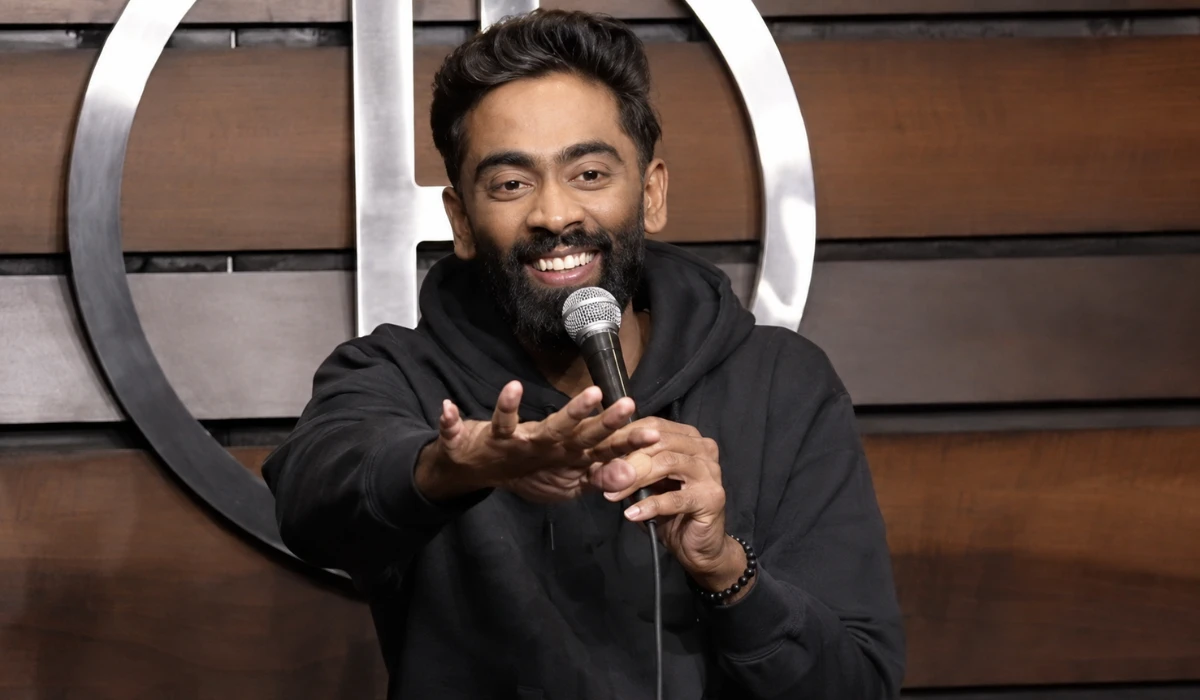
Stand-up comedian Pranit More became emotional during a live performance in Georgia while addressing the controversy surrounding him. Thanking the audience for their support, More spoke about his love for comedy and recalled his mother’s advice during the difficult period. The… pic.twitter.com/l2GfTIGy8N
— The Daily Jagran (@TheDailyJagran) August 3, 2026
The Future of Food Vlogging in India
The aftermath of the Pranit More biryani controversy will likely send ripples through the content creation industry. Several tangible shifts are expected:
- A Shift in Review Formats: We will likely see a move away from the "brutally honest, harsh takedown" style of food reviewing. Creators will pivot to more nuanced, contextualized criticism—or abandon critical reviews entirely in favor of purely documentary-style food exploration.
- Increased Security Protocols: Event organizers and talent management agencies will be forced to treat high-profile creators with the same risk-assessment rigor as traditional celebrities. Public appearances will require private security, barricades, and controlled environments.
- Legal and Platform Reckoning: If crowds continue to mobilize based on WhatsApp coordination to harass creators, it inevitably invites legal scrutiny regarding cyber-mobbing and physical intimidation. Platforms may also be forced to re-evaluate how they amplify localized outrage.
- A Mental Health Awakening: The visceral image of More breaking down will serve as a stark warning to aspiring creators. The glamorization of the "foodie influencer" lifestyle will be juxtaposed against the very real, very present danger of digital burnout and public anxiety.
Redefining the Creator-Audience Contract
Ultimately, the sight of Pranit More facing an unrelenting crowd and breaking down is a cultural symptom, not just a personal tragedy. It forces a necessary recalibration of the creator-audience contract.
Audiences must recognize that a camera lens does not strip a human being of their right to physical safety and mental well-being. A subjective opinion on a plate of rice and meat, no matter how poorly phrased, does not justify a public flogging. Conversely, creators must acknowledge that their words carry immense weight in a deeply connected, culturally sensitive digital landscape.
The biryani on the plate was always just food. But the fallout surrounding it reveals a hunger for dominance, validation, and control that defines our current digital age. As the dust settles on this controversy, one thing remains clear: the era of consequence-free online commentary is over, and the cost of digital fame is higher than ever before.
Other Articles to Read: