
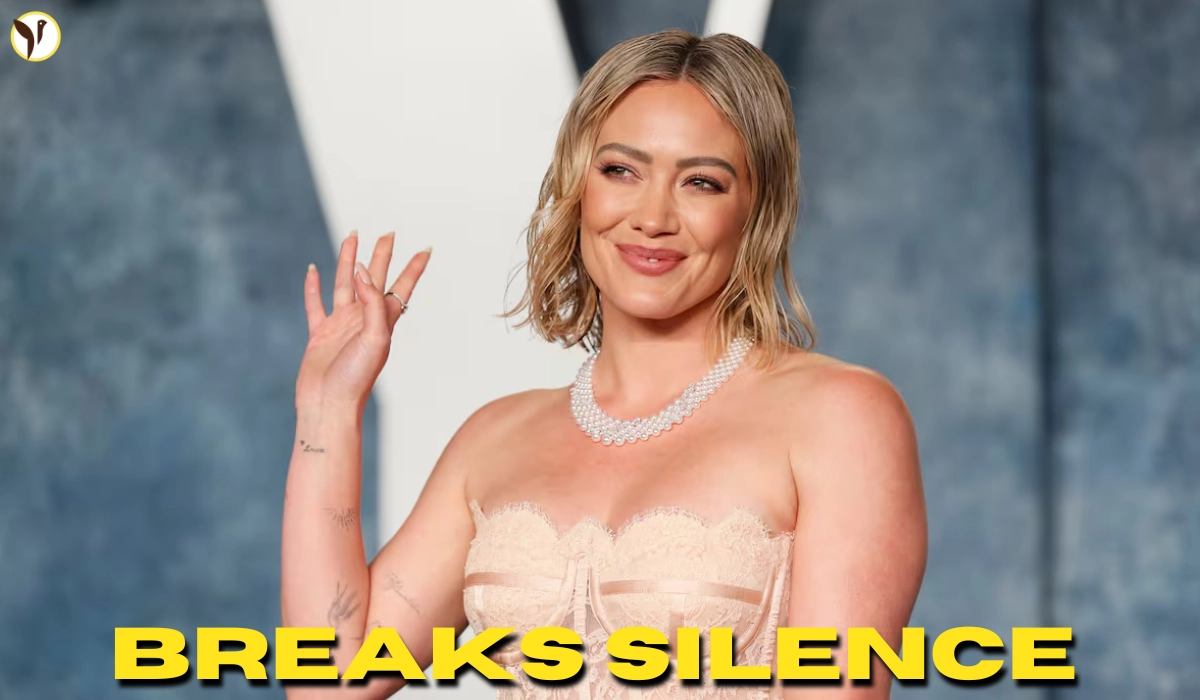


When two Disney's previous icons are involved in an argument over parenting style, there is a tendency for fans to take a minute from scrolling to watch. This was the case with Ashley Tisdale's published article discussing her decision to leave a "toxic" moms group, in which Hilary Duff responded several weeks later, providing a calm but firm boundary about family privacy.
Add in strong comments made by Duff's husband, musician Matthew Koma, and fans who are associated with memories of the High School Musical franchise, and suddenly a private parenting note became a topic in the media. Below you will find information on what really happened, how fans relate their experiences with Disney from long ago, and where we are now.
From Disney Fame to Real-Life Playdates
You remember the 2000s Disney era. Tisdale became a household name through High School Musical and its sequels, while Duff carried her own cultural moment with Lizzie McGuire.
Although Duff was not part of High School Musical, the two actresses moved in overlapping industry circles for years. As adults, they publicly supported each other’s milestones. Social media showed birthday wishes, playdates, and family gatherings.
Their children also grew up around each other. Duff shares son Luca and daughters Banks and Mae with her husband. Tisdale is mom to daughters Jupiter and Sienna. For fans who followed both stars since their Disney Channel days, those glimpses felt like a full-circle moment.
That history is part of why Tisdale’s January 2026 essay triggered speculation.

Inside Ashley Tisdale’s Essay
In her January piece for The Cut, Tisdale described leaving a Los Angeles parenting circle that she said began to feel cliquey and emotionally draining.
She wrote about last-minute playdate exclusions, subtle social media signals, and whispered judgments about parenting choices. The tone was reflective rather than accusatory. She did not name individuals. Instead, she focused on how the environment made her feel and why she chose to step away.
She compared the dynamic to high school social hierarchies, saying it unexpectedly brought back feelings she thought she had outgrown. Most importantly, she emphasized that her decision centered on protecting her daughters from unnecessary social tension.
The essay reportedly drew millions of views and sparked conversations across parenting forums. Many readers related to the idea that school-gate politics and social exclusion do not disappear in adulthood.
For Indian readers, this hits close to home. Urban parenting circles in cities like Mumbai, Delhi, and Bengaluru often operate through WhatsApp groups, school networks, and tightly knit social communities. Subtle exclusions can feel amplified in digital spaces. Tisdale’s experience resonated because it reflects a broader truth about adult friendships changing after children enter the picture.
Matthew Koma’s Sharp Reaction
Shortly after the essay gained traction, Matthew Koma posted a photoshopped image of himself inserted into a picture featuring Tisdale. In the caption, he used strong language, calling her “self-obsessed” and “tone-deaf” in relation to the essay.
The post quickly circulated online. Fans interpreted it as direct criticism. Some speculated that the essay referenced a shared social circle involving Duff.
Koma later deleted the post, but screenshots had already fueled online debate. The incident highlighted how quickly private disagreements can become public when social media is involved.
Importantly, there has been no confirmed statement from Tisdale identifying Duff as part of the group described in the essay.

Hilary Duff’s Response: A Clear Boundary
A few weeks later, Duff made a comment regarding this issue through an Instagram story, indirectly addressing the issue.
In her comment, she said that while her husband may have his own thoughts, our main concern as a family is to focus on our household and each other without distraction from the outside noise. She also did not acknowledge there is any disagreement between herself and Koma, nor did she make the situation worse. In essence, she created a boundary.
This response is significant because rather than fuelling speculation, she indicated that her main priority is to maintain her privacy. In the world of celebrity, where lack of communication usually leads to increased rumour, maintaining a sense of calm through creating appropriate boundaries can be quite effective.
In each instance, there is a trend occurring. Tisdale selected reflection; Koma reacted from emotion; and Duff adjusted the conversation regarding what is important in her family.
Celebrity Parenting Circles Under Pressure
This episode reveals something larger than individual dynamics.
Los Angeles parenting communities often blend social life, industry networking, and school culture. That mix can create competitive environments. Organic snacks become status symbols. Birthday guest lists turn political. Instagram stories amplify small slights.
Other public figures, including Blake Lively and Jessica Alba, have previously spoken about navigating high-profile parenting expectations.
The difference now is visibility. Social media ensures that even subtle tensions can spark viral narratives.
High School Musical Legacy and Season 4 Update
Nostalgia adds another layer. The High School Musical universe remains culturally relevant thanks to High School Musical: The Musical: The Series.
Disney+ renewed Season 4 in May 2022 as the show’s final chapter. Filming wrapped in 2023. The concluding season centers on East High’s legacy and includes returning cast members such as Olivia Rodrigo and Joshua Bassett.
As of now, no cameo appearances from Duff or Tisdale have been officially announced. The final season is positioned as a nostalgic sendoff rather than a reboot.

Here is a clear timeline snapshot:
|
|
|
|
|
|
|
|
|
|
|
|
|
|
|
|
|
|
|
|
|
|
|
|
Parenting Conversations Beyond Hollywood
You might wonder why this story has traction beyond fan circles.
It taps into universal themes. Adult friendship shifts. Protecting children from social politics. Managing public perception while raising a family.
In India, conversations about school group dynamics and WhatsApp exclusions are increasingly common. Many parents privately admit that navigating other parents can feel more stressful than managing children.
Tisdale’s essay encourages self-checking without public blame. Duff’s response models privacy. Both approaches offer something practical.