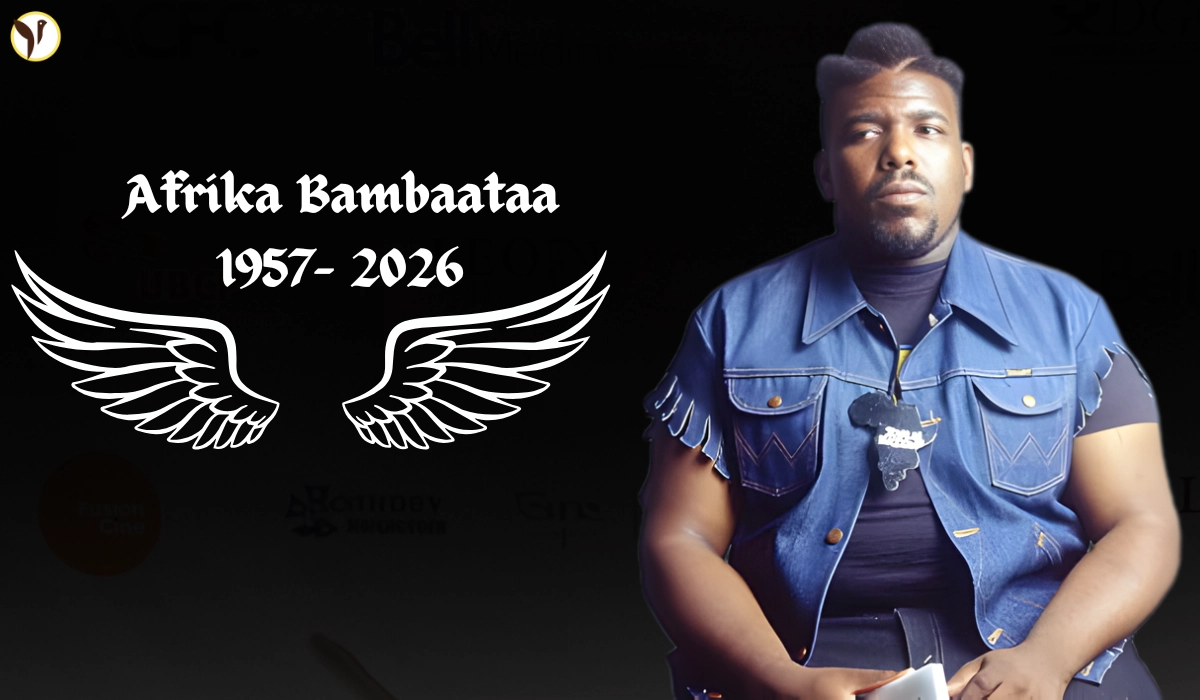


April 10, 2026, to heartbreaking news. Afrika Bambaataa, the Bronx-born DJ, rapper, and producer who helped turn street parties into a global culture, passed away the day before. He was just 68. Reports say he died peacefully in a Pennsylvania hospital from complications linked to prostate cancer. Friends and fans are still sharing memories, and the tributes keep pouring in.
This loss feels big because Bambaataa wasn’t just any artist. He was one of the three main fathers of hip-hop alongside Kool Herc and Grandmaster Flash. His 1982 hit “Planet Rock” mixed beats with futuristic electronic sounds and changed music forever. But his story also includes tough chapters that made his legacy complicated. Let’s walk through everything we know right now about his life, music, impact, and final days.
Who Was Afrika Bambaataa? A Quick Look at His Early Life and Rise
Born Lance Taylor on April 17, 1957, in the Bronx, New York, Bambaataa grew up during tough times in the 1970s. Gangs ruled many streets, but he found his way out through music and community work. He started throwing block parties as a teenager, spinning records and encouraging kids to dance instead of fight.
By the late 1970s, he formed the Universal Zulu Nation. This group was more than a crew—it was a movement. It stood for peace, unity, love, and having fun. Bambaataa wanted hip-hop to lift people up, not tear them down. He took the name “Afrika Bambaataa” from an old Zulu chief, showing his deep respect for African roots and Black history.
His parties drew huge crowds. People came for the breakbeats, the graffiti art, the breakdancing, and the positive vibes. Soon, record labels noticed. In 1982, he dropped “Planet Rock” with his group Soulsonic Force. The song blended hip-hop, electro, and Kraftwerk-inspired synths. It hit No. 4 on the U.S. R&B chart and became a worldwide anthem. Kids everywhere started breakdancing to it. Clubs played it nonstop. It basically helped invent electro-funk and showed the world that hip-hop could cross borders.
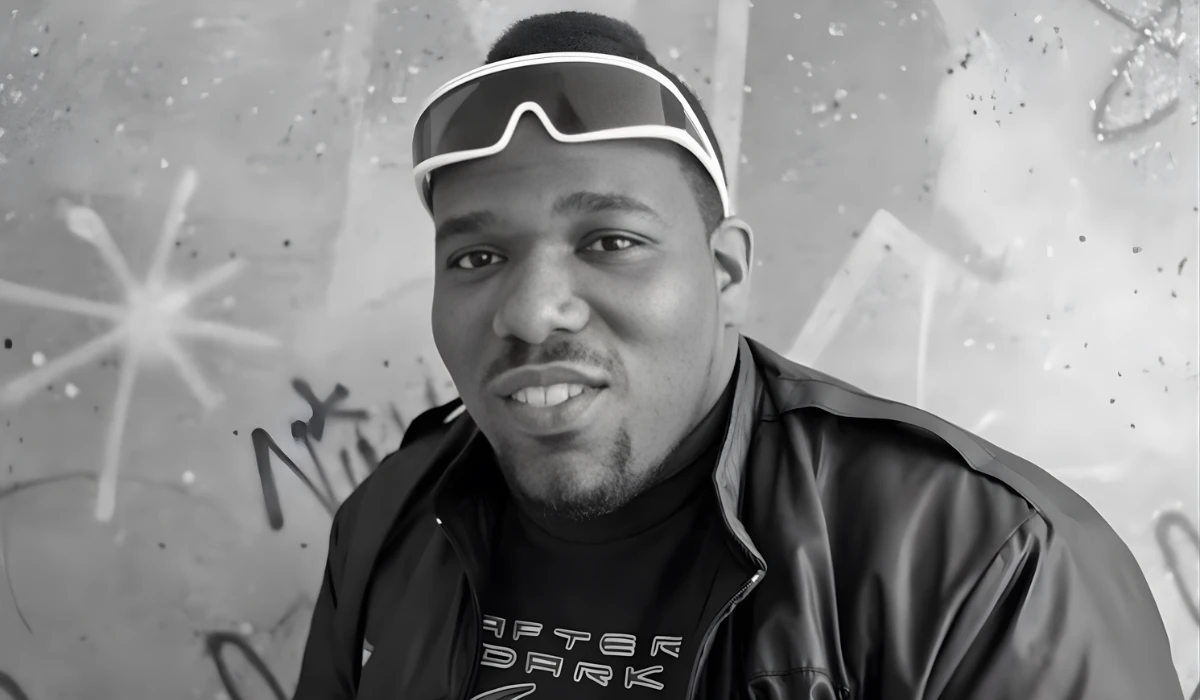
Timeline of Key Events in Afrika Bambaataa’s Life
1970s
- Emerges as a DJ in the Bronx
- Helps shape early hip-hop culture
1982
- Releases “Planet Rock”
- Gains global recognition
1980s–1990s
- Expands Zulu Nation worldwide
- Tours internationally
2010s
- Faces controversy and public scrutiny
April 2026
- Dies at age 68
The Music That Shaped Generations: Planet Rock and Beyond
“Planet Rock” wasn’t just a song—it was a revolution in sound. Bambaataa sampled beats, added futuristic keyboards, and rapped about unity and the future. It inspired artists from every genre. Think about how house music, techno, and even pop borrowed from it. Without Bambaataa, tracks like those from The Prodigy or early Daft Punk might sound very different.
He kept releasing music through the 1980s and 1990s. Albums like Planet Rock: The Album and collaborations with artists such as James Brown kept his name strong. He produced, DJ’d, and mentored young talent. His work helped hip-hop grow from Bronx basements to stadiums around the globe.
But Bambaataa always saw himself as more than a musician. Through Zulu Nation, he taught life skills, organized anti-violence events, and pushed education. He believed hip-hop could save lives. Many rappers today credit him for giving them the blueprint.
Latest Updates on Afrika Bambaataa’s Death – What Happened on April 9, 2026
News broke late on April 9 when TMZ first reported the story. Sources close to the family said Bambaataa had been battling cancer for some time. He passed around 3 a.m. in a Pennsylvania hospital from complications. He was not quite two weeks away from his 69th birthday.
His longtime friend Mick Benzo, a fellow Zulu Nation member, shared the news on Instagram. He wrote that he had spoken to Bambaataa just two days earlier and found him in good spirits. “Today, however, I began receiving calls about his passing… he had peacefully fallen asleep and did not wake up,” Benzo said. It was a quiet, private end for a man who once filled streets with loud music and energy.
The Hip Hop Alliance, led by Kurtis Blow, put out an official statement. They called Bambaataa a “foundational architect” of the culture. They praised how he turned the Bronx into the birthplace of a worldwide movement. At the same time, the group honestly noted that his legacy is “complex” and has sparked serious talks inside the community.
As of April 10 morning, more tributes are flooding social media. Fat Joe remembered him as one of the three founding fathers. Producer Mr. Biggs, who worked with Bambaataa in Soulsonic Force, said the music gave people hope, identity, and a way out of tough situations. Fans are posting old videos of block parties and “Planet Rock” performances. The Universal Zulu Nation is expected to release more details about any memorial plans soon.
Remembering the Full Picture: Impact, Challenges, and Honest Legacy
No story about Bambaataa is complete without talking about the tough parts. Starting in 2016, several men came forward with serious accusations of sexual abuse from the 1980s and 1990s when they were teenagers. Bambaataa always denied the claims, calling them attempts to damage his name. Some cases went to court, and he lost at least one civil suit by default in 2025 after not appearing.
The Hip Hop Alliance statement on April 9 acknowledged this openly. They said his contributions to hip-hop are undeniable, but the community has had real conversations about the pain caused. Many fans feel the same mixed emotions today—grateful for the music and culture he built, yet sad about the hurt some people say he caused.
This honest look makes his passing even more layered. Hip-hop has always been about truth-telling, both the good and the hard parts. Bambaataa’s life shows how one person can create something beautiful while also leaving behind pain. His music still plays in cars, clubs, and classrooms. The Zulu Nation still teaches kids worldwide. That part of his story lives on.
Le pionnier du hip-hop Afrika Bambaataa est mort à l'âge de 68 ans https://t.co/zYoyQvcFg4
— franceinfo (@franceinfo) April 10, 2026
How Fans and the Industry Are Reacting Right Now
On April 10, posts from across the globe show how deep the impact goes. DJs in Europe are mixing “Planet Rock” in sets. Breakdance crews in Asia are sharing throwback footage. Young rappers in the U.S. are posting stories about how his records inspired them to pick up a microphone.
Big names like Chuck D and KRS-One, who helped start the Hip Hop Alliance, are expected to speak more in the coming days. Record label Tommy Boy, which released some of his classic tracks, posted a simple message: “With his passing, we reflect on his contributions to the genre and broader culture, which continue to this day.”
It feels like the entire hip-hop family is pausing to remember the man who helped give the culture its voice.
What Happens Next: Memorial Plans and Lasting Influence
Details about a public memorial are still coming. The Zulu Nation will likely lead any events, staying true to the peace and unity Bambaataa always preached. Fans can expect special radio shows, playlists, and maybe even new re-releases of his music to honor him.
His influence will keep growing. Every time a new artist blends genres or uses music for positive change, Bambaataa’s spirit is there. Hip-hop today reaches billions because he showed the way.
Other Articles to Read: