
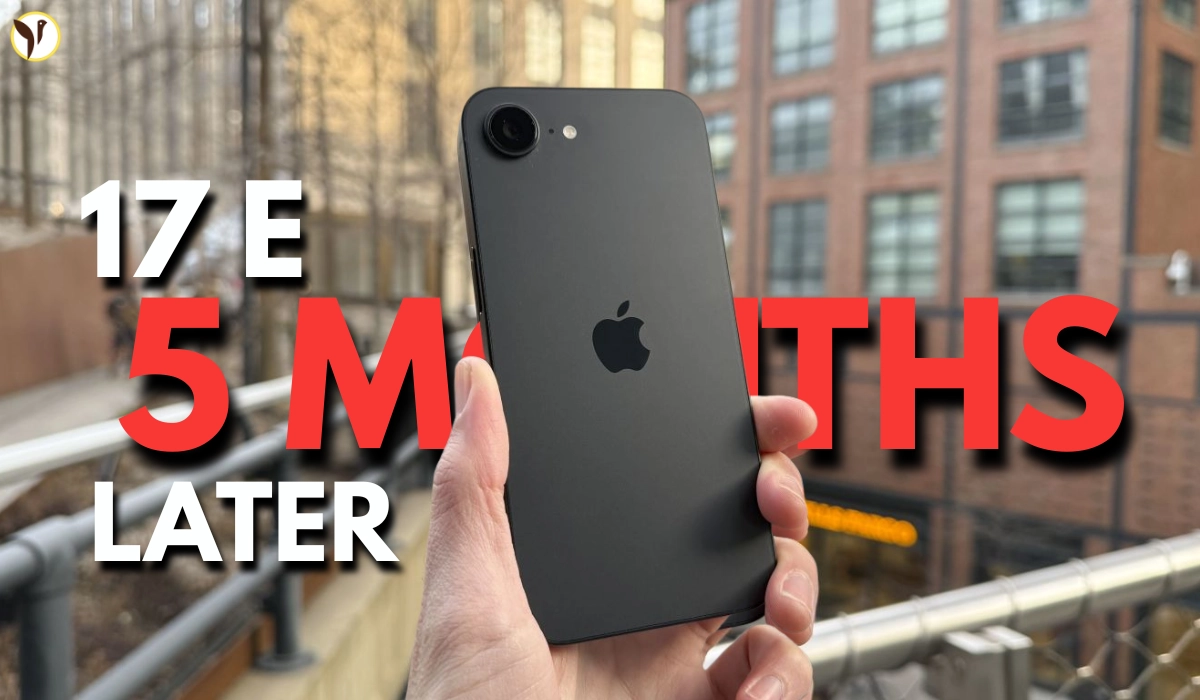


Apple’s affordable iPhone line has always been about balance—bringing core iPhone experiences to more people without chasing the highest specifications. A new leak around the rumoured iPhone 17E suggests Apple may rethink that balance in a way that could reshape expectations from its “E” series. The key talking point: an unexpected chipset choice that breaks from Apple’s recent pattern.
If accurate, this shift is not just a technical footnote. It could influence pricing, performance longevity, and how long buyers can expect software support—three factors that matter deeply to Indian consumers.
The E-Series: Apple’s Budget Philosophy So Far
Apple introduced the “E” branding to position a more accessible iPhone without diluting the brand’s core promise of smooth performance and long-term updates. Traditionally, these models reuse slightly older flagship processors rather than Apple’s newest silicon.
That approach has worked well. Users get reliable performance, strong camera processing, and years of iOS updates, all at a lower entry price. Until now, the expectation was simple: an E-series iPhone would borrow last year’s Pro-level chip.
The iPhone 17E leak challenges that assumption.
The Chipset Twist That’s Raising Eyebrows
According to early supply-chain chatter, Apple may not use its usual flagship-class processor for the iPhone 17E. Instead, the company is reportedly evaluating a custom-tuned or alternate Apple Silicon variant, designed to hit efficiency and cost targets rather than raw benchmark dominance.
What’s confirmed:
-
Apple is actively diversifying its chip lineup across iPhones.
-
Custom binning and performance tiers already exist within Apple Silicon.
What remains unconfirmed (analysis):
-
Whether this chip is a downgraded A-series, a repurposed earlier design, or a new efficiency-focused variant.
-
How closely it will match flagship performance in real-world use.
Apple has not commented, and the final silicon choice may still change before launch.
Why Apple Might Be Doing This
From a business and engineering standpoint, the move makes sense.
Cost control without visible compromise
Silicon is one of the most expensive components in a smartphone. A tailored chip allows Apple to maintain margins while keeping the retail price competitive.
Battery efficiency over peak power
Most users value all-day battery life more than top-end gaming scores. A lower-clocked or efficiency-first processor could improve endurance.
Clearer product separation
Using a distinct chip helps Apple create distance between flagship iPhones and affordable models, without relying on obvious feature cuts.
Performance Expectations: What Users Should Realistically Expect
This is where context means
Even Apple’s older or lower-tier chips routinely outperform many current Android mid-range processors in day-to-day tasks. If the iPhone 17E uses a customized Apple chip, users are still likely to get:
-
Smooth iOS animations
-
Strong camera processing and video stability
-
Reliable performance for social media, streaming, and productivity
Heavy gaming or advanced AI features may be more limited—but that’s consistent with the E-series audience.
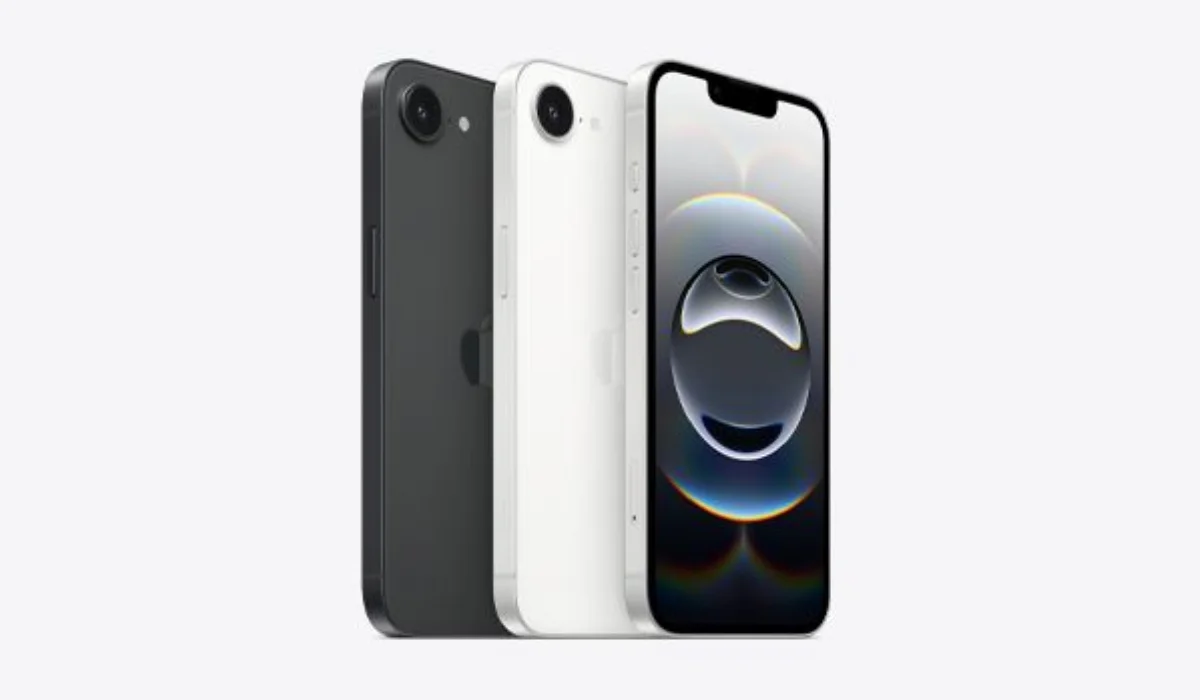
Why India Is Central to Apple’s iPhone 17E Strategy
India is now one of Apple’s fastest-growing markets, especially in the ₹45,000–₹60,000 range. Buyers here tend to keep phones longer and care deeply about update support and resale value.
A thoughtfully designed chipset could mean:
-
Longer usable life, even if peak performance is lower
-
Better thermal management in hot climates
-
More stable pricing compared to flagship models
For students, professionals, and users upgrading from older Android phones, this could be a practical entry point into the Apple ecosystem.
OTHER ARTICLES TO READ:
Apple’s Silent Transition to Purpose-Built iPhone Performance
Apple has already shown it’s willing to segment performance more deliberately—MacBooks and iPads now use different chip tiers for different users. Applying the same philosophy to iPhones would be a logical extension.
Rather than one-size-fits-all silicon, Apple seems to be moving toward purpose-built performance.
This doesn’t dilute the brand. If anything, it sharpens it.
The Road Ahead for Apple’s Most Accessible iPhone
Until Apple officially announces the iPhone 17E, all chipset details remain provisional. What’s clear, however, is that Apple is no longer treating its affordable iPhones as simple hand-me-downs.
If the final device delivers smooth performance, strong battery life, and long software support at a sensible price, most users will never miss a flagship processor.
And that, arguably, is exactly the point.