
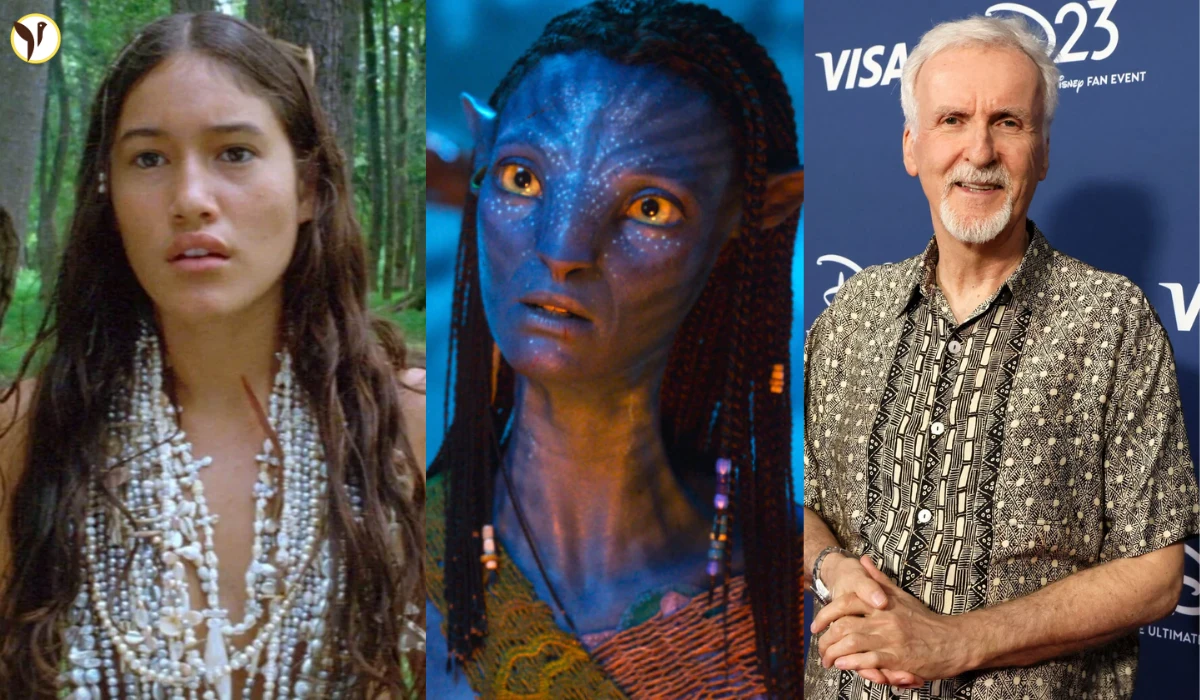


Avatar director James Cameron and Disney are now at the center of a lawsuit that could spark a much bigger debate about digital identity, facial rights, and how real people are used as inspiration in blockbuster films.
The lawsuit, filed in California federal court, claims that the design of Neytiri, one of the most recognizable characters in the Avatar franchise, was based on the facial features of actress Q’orianka Kilcher when she was a teenager. According to the complaint, her likeness was allegedly used without permission, credit, or payment.
The case has already started drawing attention across Hollywood because it goes beyond a normal copyright dispute. Instead of focusing on story ideas or screenplay similarities, the lawsuit centers on something much more personal: whether a person’s face can legally become the foundation of a billion-dollar digital character.
Who Is Behind the New Avatar Lawsuit?
The lawsuit was filed by Q’orianka Kilcher, the actress known for playing Pocahontas in The New World. Kilcher, who has Indigenous heritage, claims that a photograph of her taken when she was around 14 years old became the visual inspiration for Neytiri in Avatar.
The complaint names James Cameron, Disney, Lightstorm Entertainment, and Industrial Light & Magic as defendants. According to court filings, Kilcher believes her facial structure, bone shape, and other defining features were digitally adapted during the early creative process behind Neytiri’s character design.
The legal filing argues that the actress never approved the use of her image and was never informed that her appearance may have influenced one of Hollywood’s most famous CGI characters.

Why This Avatar Lawsuit Is Different From Earlier Legal Battles
The Avatar franchise has faced legal disputes before, mainly involving claims about story ideas, screenplay similarities, and creative inspiration. However, this lawsuit is different because it focuses entirely on likeness rights and digital identity.
Q’orianka Kilcher’s argument is based on the idea that a person’s face has commercial value and cannot be used without permission, especially in a franchise that has earned billions through films, merchandise, games, and theme park attractions.
Her legal team is reportedly seeking compensatory damages, punitive damages, profit-related compensation connected to Neytiri, and public acknowledgment regarding the alleged use of her likeness.
The case is also attracting attention because it connects to larger conversations happening across Hollywood about digital faces, CGI characters, and AI-era entertainment.
The Future of Avatar After the Lawsuit
The lawsuit is not asking for Avatar films to be banned or removed. However, depending on how the legal battle unfolds, it could still affect future projects connected to the franchise. Possible outcomes discussed by legal analysts include:
- Financial compensation or royalty-related settlements
- Public acknowledgment about character inspiration
- New studio guidelines involving digital likeness rights
- Greater transparency around CGI character development
- Additional legal protections for actors and minors
If Kilcher succeeds in court, major studios could become much more careful about using real faces as visual references for digital characters. That could especially impact franchises like Avatar, where CGI characters drive films, merchandise, gaming experiences, and theme park attractions. On the other hand, if Cameron and Disney win the case, it may strengthen the argument that artists can legally draw inspiration from real-life appearances as long as the final character is transformed enough to be considered original.
Why James Cameron and Disney Are Facing Backlash
James Cameron remains closely associated with the Avatar franchise and is widely seen as the creative force behind the films. The lawsuit specifically claims he personally selected or approved the image allegedly used during Neytiri’s development.
Disney is also deeply tied to the case because the company now controls the Avatar franchise following its acquisition of 20th Century Studios. The franchise has become one of Disney’s biggest entertainment properties through films, merchandise, streaming, and attractions like Pandora The World of Avatar.
Because of the scale of the franchise, the lawsuit has quickly turned into a larger discussion about power, ownership, and digital identity in modern entertainment.
James Cameron & Disney have been sued by Q’orianka Kilcher for unauthorized use of her likeness as the foundation in Neytiri in ‘AVATAR’.
— DiscussingFilm (@DiscussingFilm) May 7, 2026
Kilcher alleges that when she was 14, Cameron extracted her facial features from a published photograph and directed his design team to use… pic.twitter.com/nTqh1r4Zzt
What the Lawsuit Could Mean for Hollywood
The Avatar lawsuit is attracting attention across Hollywood because it could affect how studios create digital characters in the future.
As CGI, facial scanning, and AI tools become more common, concerns around digital likeness and consent are growing. If Q’orianka Kilcher wins the case, studios may need stricter permission rules before using real people as inspiration for fictional characters.
The lawsuit could also become an important legal example for future disputes involving virtual actors, AI-generated faces, and digital identity rights in entertainment.
Other Articles to Read: