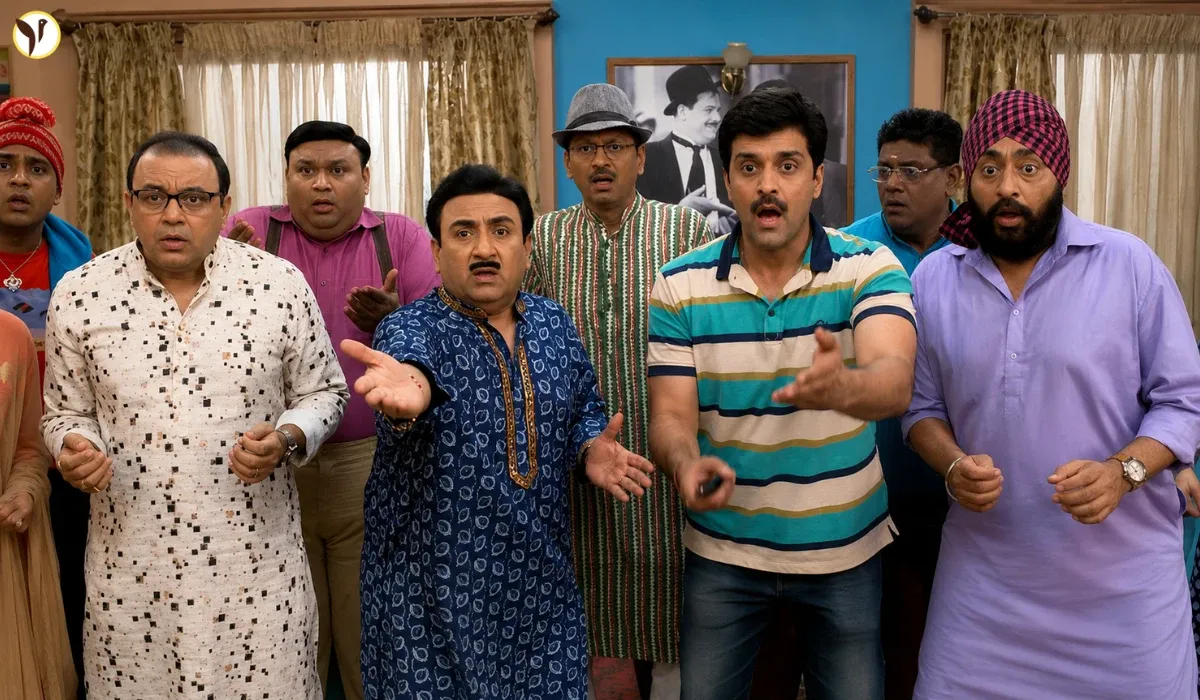



In the ecosystem of modern Indian entertainment, where celebrity narratives are continuously dissected across social media platforms, few stories possess the complexity of the ongoing situation involving actor Karan Kundrra’s past and present. Recently, the digital space reignited its focus on this dynamic when Madhuri Grover doubles down — Tejasswi Prakash reacts to statement, creating a ripple effect that demands more than a surface-level summary.
To understand the gravity of these recent developments, one must look past the immediate headlines. This is not merely a reactionary entertainment story; it is a contemporary case study in how celebrity crisis management functions when the digital footprint of the past collides with the highly curated public relations machinery of the present. Here is a comprehensive breakdown of what transpired, the underlying dynamics at play, and what this means for the individuals involved.
A Timeline of Events
To provide quick clarity, it is essential to establish a factual timeline. The current situation did not occur in a vacuum; it is the culmination of statements made over several years. Below is a structured breakdown of the key milestones leading up to the current news cycle.
|
|
|
|
|
|
|
|
|
|
|
|
|
|
|
|
|
|
|
|
|
|
|
|
|
|
|
|
The Anatomy of "Doubling Down": Why Madhuri Grover Reiterated Her Stance
When a public figure chooses to "double down" on past claims—especially in an industry known for hushed settlements and strategic silences—it signals a specific psychological and PR calculus. Madhuri Grover’s recent refusal to soften her narrative is a departure from the traditional Bollywood playbook of letting time bury controversies.
From an analytical perspective, Grover’s insistence stems from a few key factors. Firstly, the rise of the #MeToo movement and subsequent conversations around emotional abuse have shifted the cultural paradigm. What might have been easily dismissed a decade ago is now viewed through a more critical lens. By reaffirming her stance, Grover is effectively rejecting the erasure that often accompanies a male celebrity's upward career trajectory.
Secondly, the relentless targeting by online fan armies often has a paradoxical effect. Instead of silencing the accuser, aggressive digital pushback frequently solidifies their resolve. Grover's repetition of her statement can be viewed as an act of narrative reclamation—a refusal to let fandoms dictate the validity of her lived experience.
Tejasswi Prakash’s Reaction: The PR Tightrope Walk
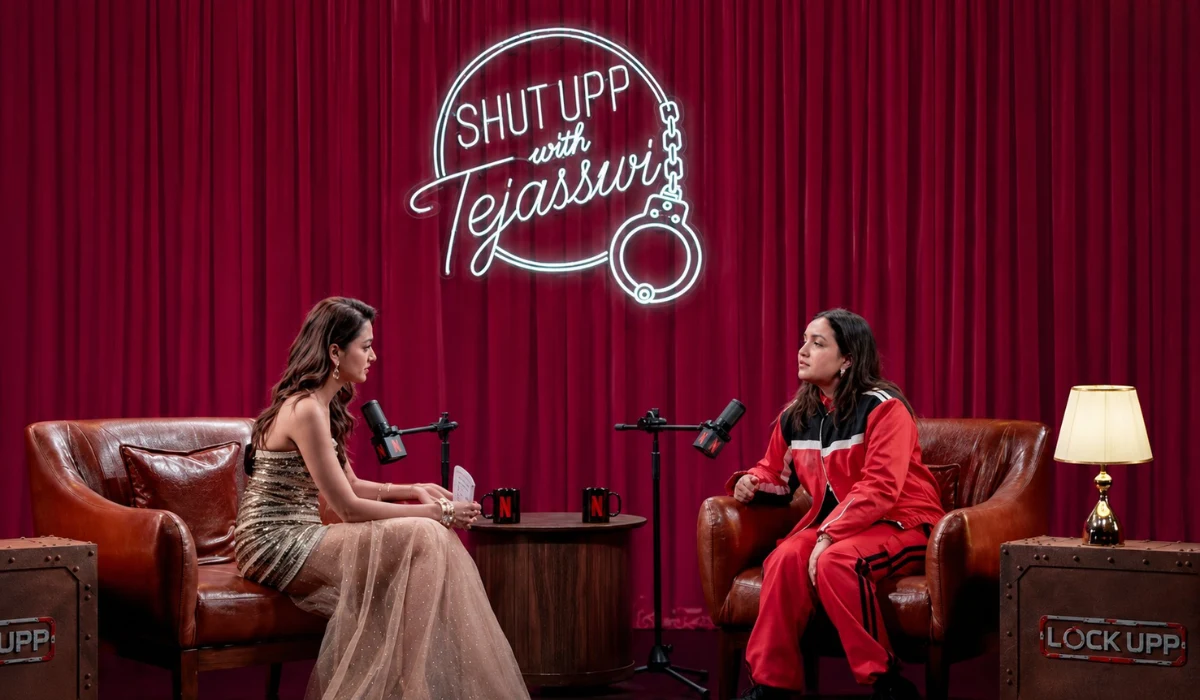
The focal point of the current news cycle is Tejasswi Prakash’s reaction. When your partner’s past becomes a trending topic, responding is a high-wire act. Respond too aggressively, and you risk appearing defensive or unsympathetic to broader conversations about trauma. Remain entirely silent, and the digital void is quickly filled with speculative narratives.
Prakash’s reaction—which has been measured and calibrated—reflects a modern crisis management strategy. Rather than engaging in a point-by-point rebuttal of Grover’s claims (which legally and ethically is Kundrra’s battle, not hers), Prakash’s statement centered on boundaries and the present reality of her relationship.
By framing her response around her own truth—that her relationship with Kundrra is built on current trust and transparency—Prakash successfully pivots the conversation. She avoids playing the role of the "attacker" toward Grover, which would have undoubtedly resulted in severe public backlash, while simultaneously drawing a line in the sand regarding what she will allow to affect her personal peace. It is a sophisticated maneuver that protects her individual brand equity separate from her partner's past.
The Broader Implications: Digital Permanence and Celebrity Relationships
Why does this specific instance of Madhuri Grover doubling down and Tejasswi Prakash reacting matter beyond the confines of entertainment gossip? Because it highlights a profound shift in how celebrity relationships survive the internet age.
Historically, a celebrity's past was contained in yesterday's newspapers or forgotten magazine interviews. Today, digital permanence ensures that every statement, every allegation, and every interview is permanently archived and easily searchable. For modern celebrity couples—especially those forged in the hyper-observed environments of reality television—this means they are never truly starting with a blank slate.
This situation forces a societal question: How do we reconcile a public figure's right to evolve and form new relationships with another individual's right to permanent validation of their past trauma? The public discourse surrounding this event shows a stark polarization. One faction demands that Kundrra and Prakash be perpetually held accountable for past allegations; the other argues that relentless dragging of a years-old controversy serves no restorative justice and only generates toxic engagement.
What Happens Next: The Legal and Strategic Trajectory
Looking forward, the trajectory of this story will likely follow one of two paths, both rooted in strategic public relations rather than emotional outbursts.
1. The Path of Legal Restraint: If Grover’s statements contain defamatory implications that cross the line from sharing personal experience into making unsubstantiated legal claims, Kundrra’s legal team may opt to send a cease-and-desist notice. However, given that Grover has maintained similar stances for years, legal experts often advise against this, as it triggers the Streisand Effect—drawing more mainstream attention to the very statements they wish to suppress.
2. Strategic Starvation: The most probable next step is "strategic starvation." Prakash and Kundrra are likely to cease addressing the topic directly. In the attention economy, controversies die when they are deprived of oxygen. By refusing to feed the news cycle with further reactions, the story will gradually descend from trending status back into the recesses of pop culture archives, only to be briefly resurrected during future fan wars.
For Madhuri Grover, doubling down has secured her a place in the ongoing discourse, ensuring her narrative remains a permanent part of Karan Kundrra’s Wikipedia-level history. For Tejasswi Prakash, the reaction served its purpose: establishing a boundary without causing irreparable brand damage.
Conclusion
The saga involving Madhuri Grover and Tejasswi Prakash is a quintessential example of modern celebrity crisis management. It is easy to reduce these events to tabloid fodder, but doing so misses the complex interplay of digital permanence, fandom culture, and crisis PR at work. Grover’s insistence on her truth and Prakash’s calculated boundary-setting represent two different, yet equally modern, ways women navigate the patriarchal structures of the entertainment industry—one by demanding to be heard, the other by protecting her peace. Ultimately, the reader is left to observe not just a celebrity scandal, but the evolving rules of engagement in the digital age.
Other Articles to Read: