

When the calendar flips to July 30, Indian cinema will hold its collective breath. The trailer for director Nitesh Tiwari’s Ramayana, starring Ranbir Kapoor in the lead role, is finally slated to drop. For an industry that has recently oscillated between the staggering success of sci-fi mythos and the glaring missteps of rushed epics, this two-and-a-half-minute preview is more than just a promotional tool—it is a litmus test.
The arrival of the Ranbir Kapoor Ramayana trailer represents a high-stakes gamble for Bollywood. It asks a fundamental question: Can mainstream Hindi cinema produce a mythological epic that honors its ancient source material while meeting the exacting visual standards of a modern, globalized audience?
Here is an in-depth look at what we know, why this project carries immense cultural and industrial weight, and what the July 30 reveal will tell us about the future of Indian storytelling.
A Genre at a Crossroads
To understand the gravity of July 30, one must look at the recent trajectory of Indian mythological cinema. The genre has historically been a box office goldmine, yet it has recently faced a crisis of execution.
Om Raut’s Adipurush (2023) serves as the ghost haunting this current production. Despite a massive budget, the film was universally panned for its jarring visual effects, cringe-inducing dialogue, and a superficial approach to a deeply revered text. It proved that slapping a mythological label on a film is no longer enough to guarantee cultural buy-in.
Conversely, Nag Ashwin’s Kalki 2898 AD (2024) demonstrated how Indian mythology could be successfully reimagined. By weaving ancient lore into a dystopian sci-fi narrative, it bypassed the strict constraints of historical accuracy while still resonating deeply with audiences.
Nitesh Tiwari’s Ramayana does not have the luxury of a futuristic shield. It is a straight, period-accurate retelling of the Valmiki text. If the July 30 trailer succeeds, it will redeem the traditional mythological genre. If it falters, it may signal that Bollywood needs to abandon direct adaptations altogether.
The Modern Indian Mythological Epic Landscape
To provide context on the financial and critical stakes involved, here is an analysis of recent benchmark projects in this space. This data highlights why Ramayana must strike a precise balance between reverence and cinematic spectacle.
|
|
|
|
|
|
|
|
|
|
|
|
|
|
|
|
|
|
|
|
|
|
|
|
|
|
|
|
|
|
|
|
|
|
|
Deconstructing Ranbir Kapoor as Lord Ram
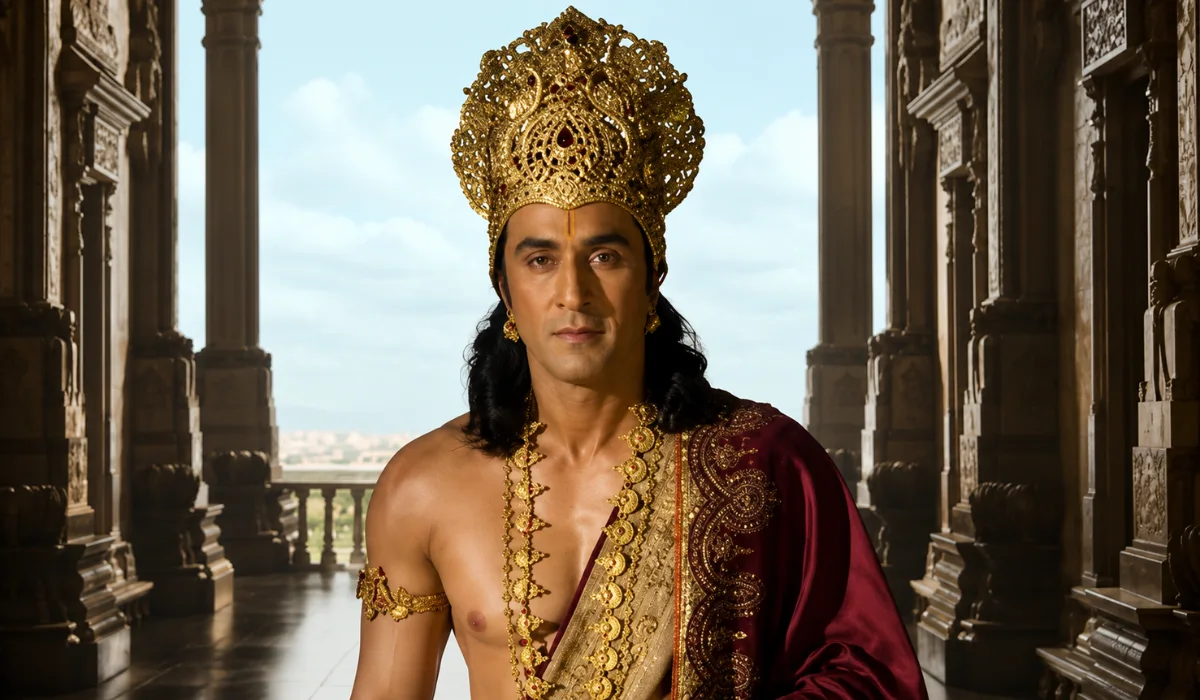
Perhaps the most debated aspect of the film is the casting of Ranbir Kapoor. For two decades, Kapoor has been the poster boy for the conflicted, urban, brooding youth—think Rockstar, Ae Dil Hai Mushkil, or his recent violent pivot in Animal.
Casting him as Maryada Purushottam (the perfect man) is a radical departure. It requires Kapoor to strip away the mannerisms that have made him a modern superstar and inhabit a character defined by restraint, duty, and silence.
This is not merely a creative choice; it is a strategic masterstroke. Kapoor brings a massive, pan-India draw that transcends traditional mythological audiences. If he succeeds, he bridges the gap between the mass-centric观众 who watch mythologies and the multiplex crowds who watch Ranbir Kapoor. The July 30 trailer will provide the first tangible proof of whether he has managed this transformation. We will be looking for the shift in his gait, the steadiness of his gaze, and the modulation of his voice—subtle cues that dictate whether he is playing a character or a deity.
Why Nitesh Tiwari is the Right Choice
When a studio green-lights a project of this magnitude, the director’s sensibilities dictate the tone. Nitesh Tiwari is not known for visual flamboyance; he is known for emotional rootedness.
Whether it is the poignant father-daughter dynamic in Dangal or the earnest coming-of-age narrative in Chhichhore, Tiwari excels at mining human emotion from high-concept premises. This is exactly what Ramayana needs. The epic is not just about demon kings and magical weapons; at its core, it is a story of family bonds, sacrifice, and the painful adherence to duty.
If the trailer on July 30 focuses solely on sweeping aerial shots of Ayodhya and CGI demons, it will be a red flag. However, if it lingers on the emotional currents—the farewell to Dasharatha, the tension in the court, the quiet devastation of Sita’s abduction—it will signal that Tiwari is grounding the epic in human reality. Early industry whispers suggest that Tiwari has shot extensively on massive, physical sets rather than relying entirely on virtual production, a decision that should lend the film a necessary tactile quality.
What to Expect from the July 30 Trailer
Based on the production timeline, scale, and the strategic imperatives of the studio, the trailer is expected to accomplish three specific goals:
1. Establishing the World-Building: Expect a slow, methodical opening. The trailer will likely introduce Ayodhya not as a fantasy kingdom, but as a thriving, ancient civilization. The color palette will probably lean heavily into earthy tones—golds, deep greens, and burnt siennas—intentionally distancing itself from the neon, synthetic look that plagued recent mythological attempts.
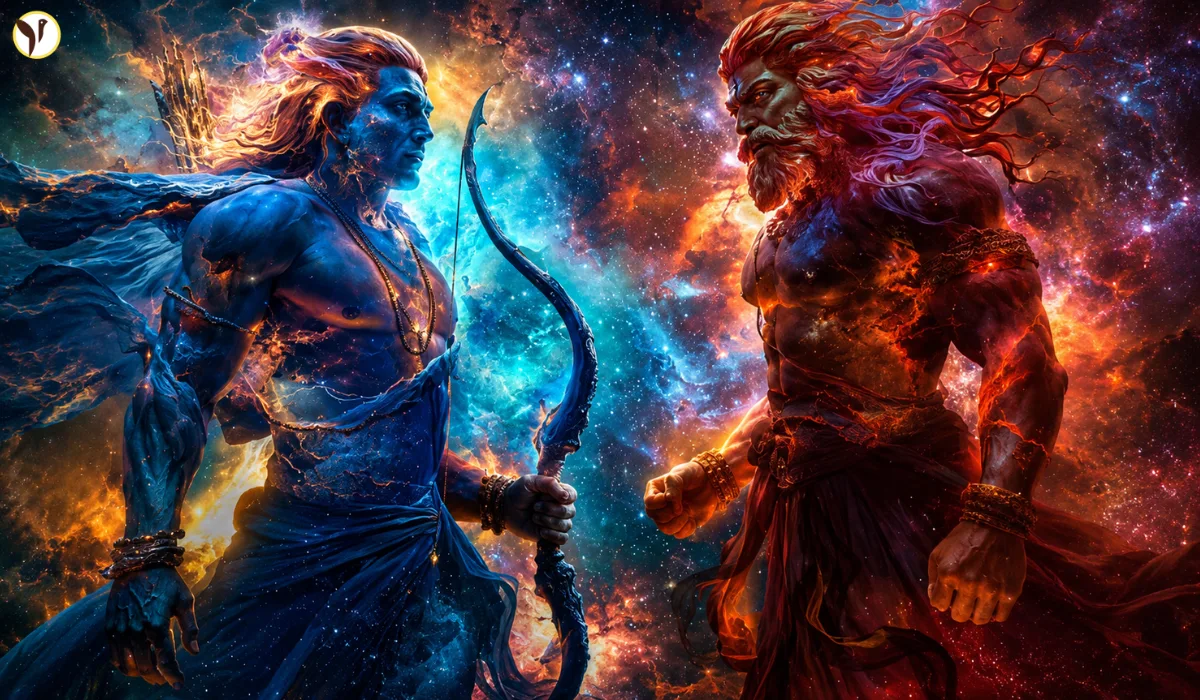
2. The Introduction of the Antagonist: A mythological epic is only as good as its villain. While the makers have kept the casting of Ravana tightly under wraps (avoiding the unverified rumor mills that plague Bollywood reporting), the trailer will almost certainly feature a reveal of the Lankan king. The framing of this character will set the tone for the film's conflict.
3. The Musical Score: Music is the unseen soul of the Ramayana. The background score for the trailer—likely composed by a high-profile musical trio or veteran composer attached to the project—will be heavily scrutinized. Will it rely on bombastic orchestral stings, or will it incorporate traditional Indian instruments like the veena and mridangam to evoke period authenticity?
The Road to 2025
The July 30 trailer release is the firing of the starting gun for a marathon marketing campaign.
Following the trailer drop, the immediate focus will shift to intellectual property protection. Given the highly sensitive nature of the subject matter, the makers will be hyper-vigilant about deepfakes, misleading clips, and organized trolling—a predictable hazard for any modern Indian mythological adaptation.
The film is widely expected to release in two parts, with the first installment targeting a major festive window in 2025 (likely Diwali, given the narrative’s culmination). The success of the trailer will dictate the film’s pre-sale trajectory, particularly in the overseas markets where high-quality Indian epics are increasingly finding distribution deals.
Furthermore, a successful trailer will trigger a secondary economy: merchandising, licensing deals, and educational tie-ins. If the visuals resonate, Ramayana has the potential to do for Indian cinema what Peter Jackson’s The Lord of the Rings did for New Zealand’s film industry—establishing a new benchmark for prestige epic filmmaking.
Conclusion
The release of the Ranbir Kapoor Ramayana trailer on July 30 is not just a pop-culture event; it is a moment of reckoning for mainstream Indian cinema. It demands a synthesis of profound spiritual respect and cutting-edge cinematic technology. For the audience, it offers the promise of a story that has shaped the moral fabric of a civilization, finally rendered with the gravity it deserves.
We will be watching closely to see if Nitesh Tiwari and Ranbir Kapoor can transform ancient verse into visual majesty. The epic awaits.
Other Articles to Read: