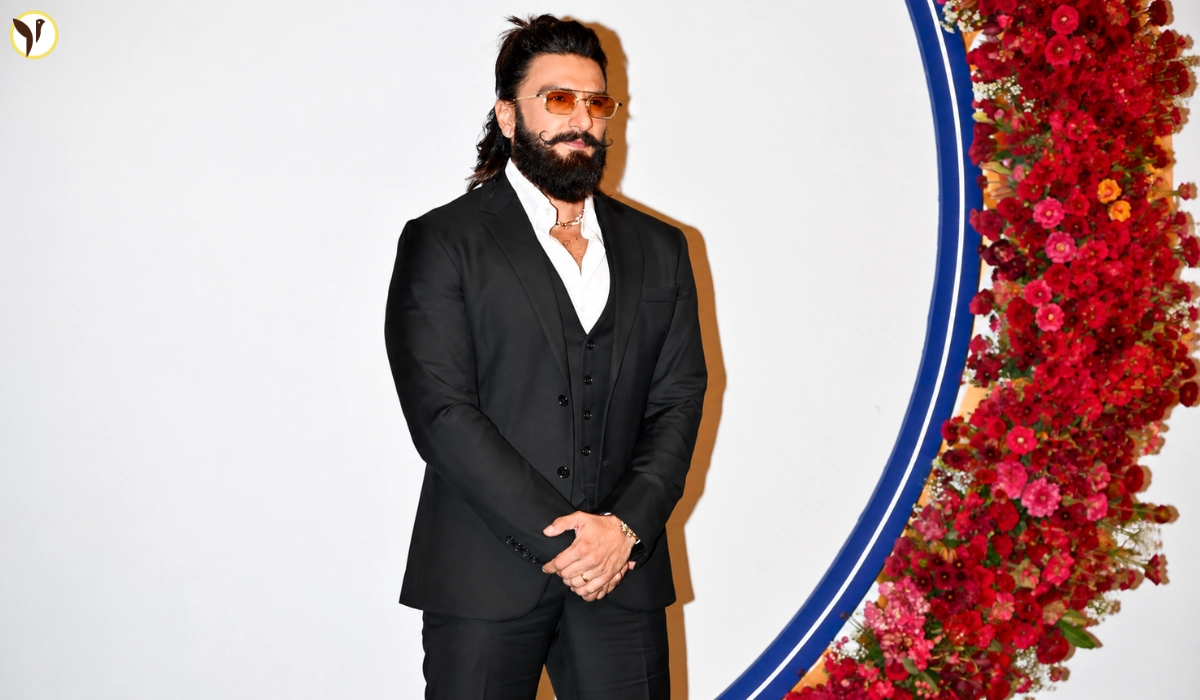


When an actor steps into the shoes of a battle-hardened intelligence operative, the transformation must be visible before a single line of dialogue is spoken. For Aditya Dhar’s highly anticipated espionage thriller Dhurandhar, Ranveer Singh is tasked with a unique physical brief: embodying the grounded, worn-in physique of a 41-year-old veteran. The cinematic secret to achieving this specific physical silhouette doesn't lie in sheer muscle mass, but rather in a highly calibrated nutritional pivot—specifically, a shift from generalized high-protein protocols to an austere, chicken-centric diet.
This isn't merely a celebrity fitness fad. It is a demonstration of applied sports nutrition tailored for visual storytelling. Here is an in-depth look at the biomechanics and dietary strategy driving this transformation, and why it marks a departure from Singh’s historically bulkier physiques.
The Physical Brief: Why "41" Changes the Rules
In Bollywood, the standard action hero transformation almost exclusively revolves around hypertrophy—building massive shoulders, sweeping lats, and eight-pack abdominals. However, Dhar’s Dhurandhar (which pairs Singh with Sanjay Dutt and R. Madhavan) requires a different visual language.
While Ranveer Singh is currently 39, his character in the film operates at an advanced, hardened age of 41. A 41-year-old covert operative who has spent decades in high-stress, physically demanding environments does not look like a bodybuilder; he looks lean, sinewy, and resilient. The goal is "muscle maturity" combined with a low body fat percentage, creating a highly vascular, practical physique.
To achieve this, Singh’s dietary team had to strip away the extraneous mass accumulated during previous bulk phases and pivot to a cutting protocol where every macronutrient is accounted for.
The Dietary Pivot: Decoding "Protein to Chicken"
The phrase "diet from protein to chicken" might sound redundant at first glance—after all, chicken is a protein. However, in the lexicon of elite sports nutrition, this refers to a strategic narrowing of protein sources.
During mass-building phases (like those for Simmba or Cirkus), actors rely on a diverse matrix of proteins: whey isolates, casein, eggs, plant-based blends, dairy (paneer, Greek yogurt), and occasionally red meat. This provides the caloric surplus needed for growth.
For Dhurandhar, the strategy inverted. The diet shifted from a broad protein approach to a singular, hyper-lean approach: chicken breast.
Why Chicken Breast is the Ultimate Cutting Tool
The decision to center the diet around chicken is rooted in three specific nutritional mechanisms:
- High Satiety-to-Calorie Ratio: Chicken breast is incredibly filling relative to its caloric content. This is vital when an actor is in a caloric deficit but still needs the energy to perform grueling, tactical action sequences.
- The Thermic Effect of Food (TEF): Chicken has a high TEF, meaning the body burns a significant amount of energy just digesting it. This naturally accelerates fat loss.
- Micronutrient Density for Recovery: Unlike isolated whey protein powders, chicken provides a complex matrix of B vitamins (specifically B6 and niacin), zinc, and selenium, which are critical for testosterone production and joint recovery during high-impact tactical training.
Analyzing the Macronutrient Shift: A Data Perspective
To understand the severity of this dietary shift, we must look at the estimated macronutritional profiles. Below is an analytical comparison based on standard Bollywood bulking protocols versus the tactical leaning-out phase required for a film like Dhurandhar.
Disclaimer: The following data represents an informed analytical model based on sports nutrition standards for actors in the 75-80kg body weight range. It does not represent Singh’s exact private medical diet.
Projected Dietary Protocol Comparison
|
|
|
|
|
|
|
|
|
|
|
|
|
|
|
|
|
|
|
|
|
|
|
|
|
|
|
|
|
|
Beyond the Plate: The "Wear and Tear" Aesthetic
Diet alone does not create the "Age 41" secret. The nutritional protocol is designed to fuel a very specific type of training.
Instead of traditional hypertrophy weightlifting (heavy bench presses, squats), the Dhurandhar regimen likely leans heavily into functional, tactical fitness. This includes:
- Loaded Ruck Marches: Carrying heavy backpacks over distances to build dense, endurance-based leg and back muscles.
- Kettlebell and Calisthenics: Promoting joint stability and creating a lean, pulled-back shoulder posture typical of military personnel.
- High-Intensity Interval Training (HIIT): Depleting glycogen rapidly to aid the chicken-centric low-carb diet in burning the final layers of visceral fat.
When you combine extreme low-body-fat percentages (achieved through the chicken diet) with tactical, endurance-based training, the visual result is exactly what Dhar’s script demands: a man who looks like he has carried the weight of the country on his shoulders, rather than a man who spends three hours a day doing bicep curls.
Happy Birthday Ranveer Singh 😎🥳#glamsham #bollywood #entertainment #ranveersingh #viral @RanveerOfficial @deepikapadukone pic.twitter.com/C13qvZsH62
— glamsham.com (@glamsham) July 6, 2026
The Practical Reality of the "Chicken Diet"
While the nutritional science is sound, the practical application of eating chicken breast two to three times a day for months is notoriously difficult.
In the Indian culinary context, this presents a unique challenge. Standard Indian chicken preparations (Butter Chicken, Kadhai Chicken) are heavily reliant on oil, cream, and thick gravies, which entirely negate the macronutrient profile required for this cutting phase. Therefore, the "Dhurandhar secret" requires a decoupling of flavor from traditional methods.
Actors undertaking this protocol typically rely on:
- Boiled or steamed chicken breasts.
- Liberal use of herbs, dry spices (turmeric, black pepper, paprika), and mustard to create flavor profiles without adding caloric density.
- Meal prepping in bulk to avoid the temptation of on-set catering, which is generally carb and fat-heavy.
Furthermore, a diet this low in dietary fat can impact hormone levels over time. It is highly probable that Singh’s medical team incorporates strategic "re-feed" days—temporarily increasing carbohydrates and healthy fats—to prevent metabolic adaptation and keep his endocrine system functioning optimally.
What Happens Next: The Post-Production Physiological Rebound
As Dhurandhar moves through its shooting schedule and into post-production, the immediate question is: what happens to the body?
Prolonged extreme cutting is not sustainable. Once the camera stops rolling, actors must undergo a "reverse dieting" phase. This is a slow, measured increase in caloric intake—reintroducing complex carbohydrates, healthy fats, and diverse proteins—to restore metabolic rate without rapid fat accumulation. If an actor were to immediately return to a normal, high-calorie diet after a strict chicken-cut phase, the body would aggressively store fat, leading to extreme bloating and potential metabolic issues.
For Singh, the pivot out of the Dhurandhar physique will be as carefully managed as the entry into it. This cyclical nature of dramatic physical transformation is becoming the unstated norm for A-list Bollywood actors, replacing the static, year-round "hero body" of the 2000s with dynamic, character-specific physicality.
The Takeaway for the Everyday Reader
While 99% of the reading public does not need to drop to single-digit body fat to portray a fictional RAW agent on a 70mm screen, the underlying principle of Ranveer Singh’s Dhurandhar diet holds immense practical value.
The transition from "general protein" to "specific, whole-food lean protein" (like chicken breast) is the most effective way to break through a weight-loss plateau. If your current fitness goal is to lose stubborn body fat while maintaining muscle, the takeaway is simple: audit your protein sources. Replace calorie-dense proteins (cheese, fatty cuts of meat, protein bars heavy in sugar alcohols) with high-satiety, low-calorie whole foods. You don't need the extremes of a Bollywood shooting schedule to benefit from the science that drives it.
Other Articles to Read: