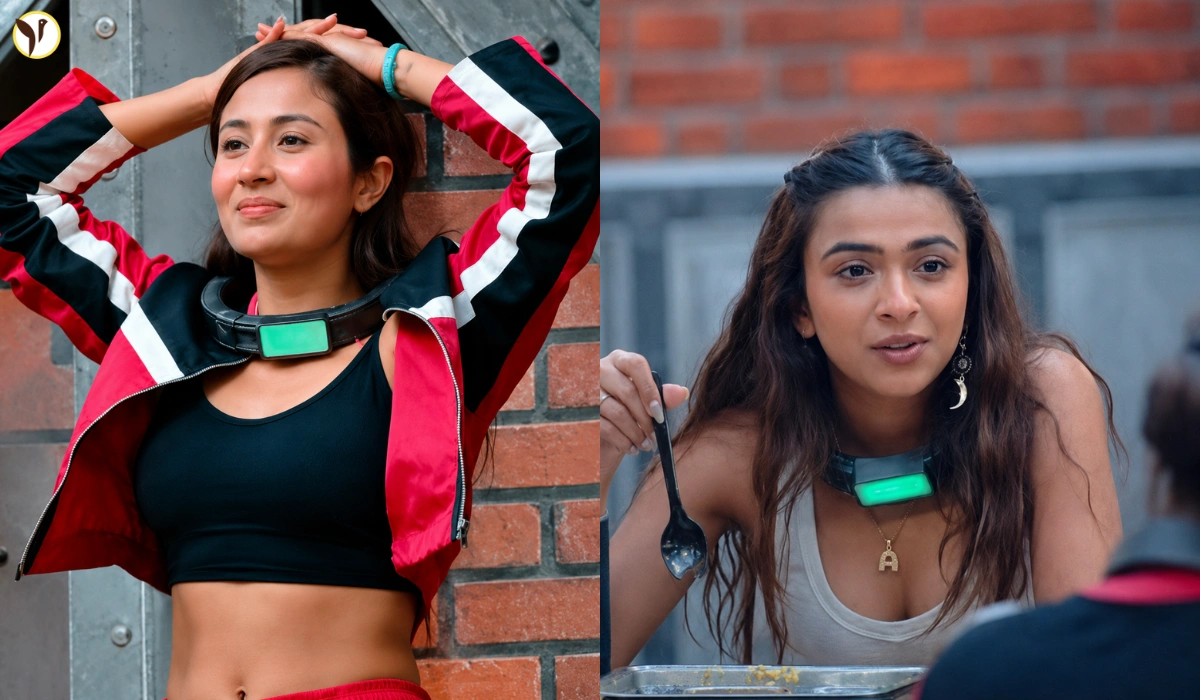


The Indian creator economy is no longer just a space for casual entertainment; it has evolved into a highly competitive industry where a single three-second movement can generate millions of views—and, increasingly, bitter disputes over ownership. The recent flashpoint involves popular content creator Shreya Kalra and outspoken commentator Rebel Kid, centering on a now-infamous "shoulder dance" reel.
While internet spats are often dismissed as trivial drama, this specific controversy strikes at a deeply rooted structural flaw in how short-form video platforms handle artistic credit. When Rebel Kid publicly called out Shreya Kalra over the shoulder dance, it ignited a conversation that extends far beyond two individual accounts. It forced the digital community to confront an uncomfortable question: In the relentless grind of the content machine, who actually owns a dance move?
Here is a comprehensive breakdown of what happened, the underlying mechanics of the controversy, and what this friction means for the future of digital choreography.
The Anatomy of the "Shoulder Dance" Trend
To understand the friction, one must first understand the specific type of content at the center of the storm. The "shoulder dance" is not a traditional, complex choreographic sequence. It relies on isolated, rhythmic shoulder pops, typically synchronized with a heavy bass beat or a remixed audio track.
On platforms like Instagram Reels, this specific movement has become a viral staple because of how it interacts with the platform's algorithm.
Why this specific movement goes viral:
- The Loop Factor: Shoulder isolations can be easily trimmed so the end of the video flows perfectly into the beginning, tricking the brain into watching it multiple times.
- Low Barrier to Entry: It requires minimal space, no formal dance training, and can be performed in casual wear, making it highly replicable.
- Audio Synchronization: The sharp, percussive nature of the movement cuts through poorly mixed audio, making it visually engaging even on mute.
Shreya Kalra, known for her highly polished, lifestyle-adjacent dance content, executed a version of this trend. Her execution was technically sound, paired with trending audio and high-production lighting. It gained rapid traction. However, the snowball effect of virality eventually caught the attention of Rebel Kid, a creator who has built a niche in critiquing internet culture and championing the uncredited architects of viral trends.
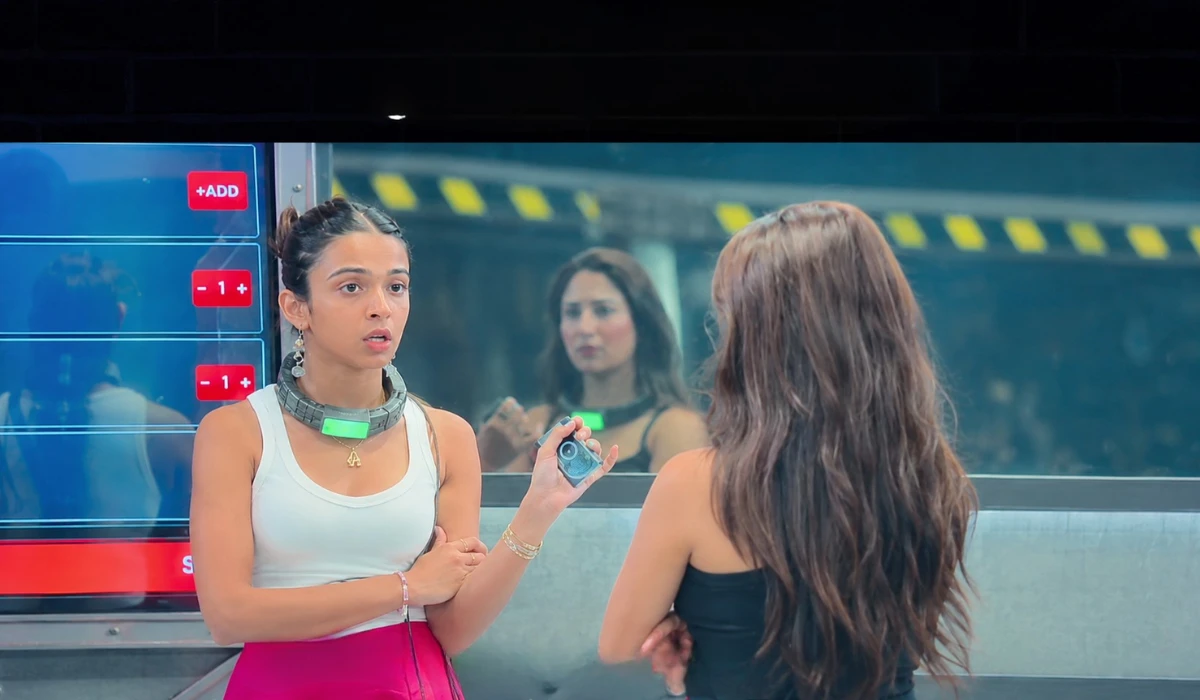
The Catalyst: What Did Rebel Kid Actually Say?
Rebel Kid’s intervention was not a wholesale attack on Shreya Kalra’s dancing ability. Rather, the critique focused on the systemic erasure of underground choreographers who originate these moves, only to watch influencers with larger followings and better production values capitalize on them.
In a pointed video breakdown, Rebel Kid highlighted that the specific shoulder isolation sequence Kalra utilized was heavily inspired by—and arguably directly lifted from—smaller, niche dance accounts that had posted the choreography weeks prior.
The core of Rebel Kid's argument rested on three pillars:
- Lack of Attribution: Kalra did not tag or mention the original creator of the shoulder choreography in her caption or on-screen text.
- The "Influencer Tax": The phenomenon where established influencers take a trending format from a micro-creator, apply high-production filters, and reap the bulk of the algorithmic rewards.
- Performative Authenticity: Critiquing the culture of presenting replicated trends as organic, spontaneous creativity.
Why This Controversy Matters: The Attribution Gap
If a journalist repurposes an exclusive scoop without credit, it is plagiarism. If a musician samples a beat without clearing it, it is copyright infringement. But in the gray zone of Instagram Reels, borrowing a dance move is simply considered "participating in a trend."
This controversy matters because it exposes the platform's inadequate toolset for crediting movement.
|
|
|
|
|
|
|
|
|
|
|
|
|
|
|
|
|
|
|
|
|
|
|
|
|
The Public Reaction: A Divided Audience
As the controversy gained traction, the comment sections across both creators' profiles became a battleground for two distinct philosophies regarding internet culture.
The Pro-Rebel Kid Faction: This demographic largely consists of aspiring dancers, choreographers, and digital rights advocates. Their argument hinges on the principle of intellectual labor. They argue that just because a dance move happens on a 15-second screen doesn't mean it lacks artistic value. To this group, Rebel Kid was speaking truth to power, calling out the homogenization of the platform where pretty aesthetics trump raw, original creativity.
The Pro-Kalra/Status Quo Faction: Conversely, a significant portion of the audience viewed Rebel Kid's critique as gatekeeping. Their defense rests on the argument that dance has historically always been collaborative and iterative. "No one owns a shoulder pop," became a common refrain. They argued that once a move is posted on a public platform designed for sharing, it becomes part of the digital lexicon, free for anyone to interpret.
The Bigger Picture: The Creator Economy’s Growing Pains
Stepping back from the specific individuals involved, the Rebel Kid and Shreya Kalra situation is a textbook example of the creator economy's growing pains.
We are currently in the "industrial revolution" of short-form content. In the early days of TikTok and Instagram Reels, the ethos was purely anarchic and fun—everyone was just experimenting. However, as Reels bonuses, brand deals, and advertising revenue have turned these platforms into literal livelihoods, the rules of engagement must evolve.
Choreographers in the hip-hop and street dance communities have fought for credit for decades, long before social media. The internet simply scaled the problem. When a micro-creator in a small apartment choreographs a shoulder dance, and an influencer with a million followers performs it in a luxury villa, the algorithm naturally favors the villa. The algorithm cannot judge artistic intent; it judges watch time and engagement.
Rebel Kid’s intervention was a deliberate attempt to inject human judgment into an automated system that inherently favors scale over origin.
What Happens Next: The Future of Dance Credits
This controversy is unlikely to result in a sudden wave of influencers perfectly citing their choreographic inspirations. However, it does accelerate several ongoing shifts in the digital landscape:
1. The Rise of "Choreography Tags" Just as makeup artists began demanding their handles be included in beauty influencer captions, dance creators are increasingly aggressive about enforcing "choreo by" tags. We will likely see a cultural shift where failing to include this tag results in immediate, organized pushback from the community.
2. Platform Innovation (Or Lack Thereof) Meta (Instagram's parent company) is well aware of these tensions. While they have introduced features like "Original Audio" to protect sounds, building a mechanism to trace the lineage of a physical movement is technologically daunting. It would require advanced motion-capture AI capable of identifying specific kinetic signatures—a reality that is likely years, if not decades, away.
3. Micro-Creators Unionizing Expect to see more collectives and agencies specifically designed to protect the intellectual property of underground choreographers. By banding together, smaller creators can leverage collective bargaining power to demand credit from larger agencies that manage influencers like Kalra.
4. A Shift in Audience Literacy Perhaps the most significant outcome is the audience's evolving literacy. Viewers are becoming savvier. The days of accepting highly polished content at face value are ending. Audiences are beginning to ask, "Who made this?" rather than just, "Who is performing this?"
Beyond the Scroll
The clash between Rebel Kid and Shreya Kalra over a shoulder dance is not a story about two people arguing on the internet. It is a microcosm of a much larger negotiation happening right now between original artists and content aggregators.
Shreya Kalra did what the modern algorithm demands: she took a trending format, optimized it for her audience, and executed it well. Rebel Kid did what the cultural ecosystem desperately needs: he acted as a check and balance, pointing out the invisible labor that makes those optimized formats possible.
Neither creator is entirely wrong, but both represent the friction of a maturing industry. As short-form video continues to dominate global attention spans, the lines between inspiration, iteration, and theft will only blur further. How the community—creators, platforms, and audiences alike—decides to navigate this gray area will determine whether social media remains a space for artistic collaboration, or simply a race to the bottom of uncredited replication.
Other Articles to Read: