
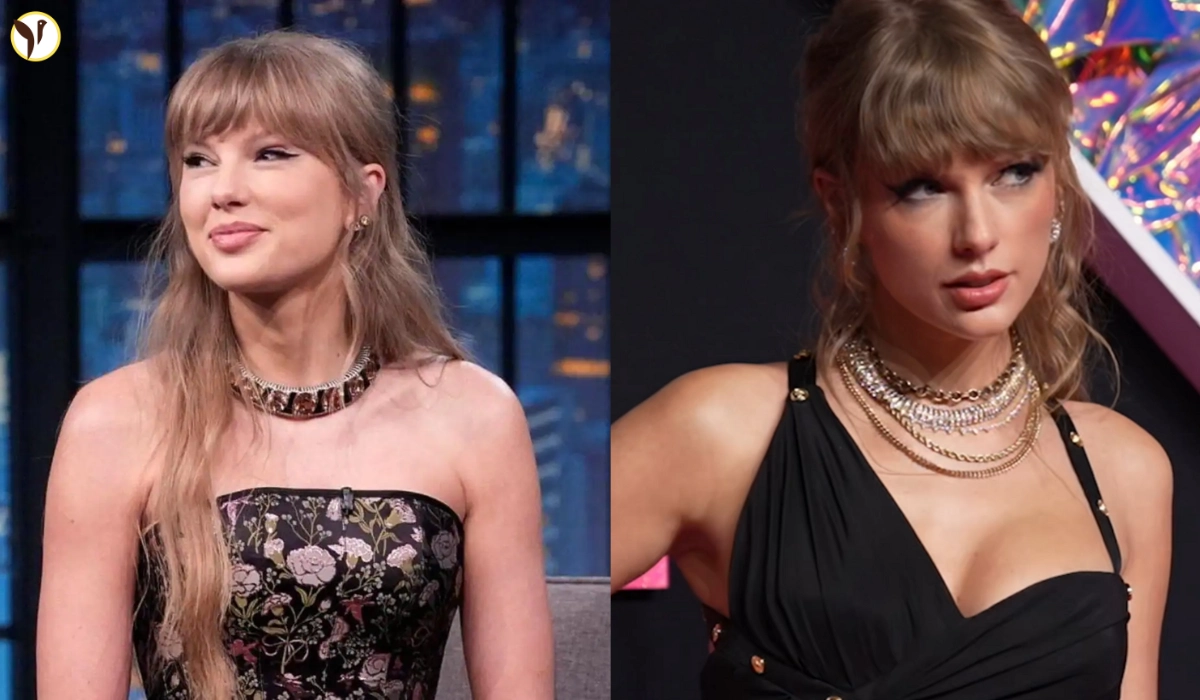


Taylor Swift is once again making headlines, but this time it’s not about chart-topping music or record-breaking tours. On March 30, 2026, a Las Vegas performer filed a lawsuit against her, bringing unexpected legal attention to her album The Life of a Showgirl. What seems like a simple album title has now turned into a serious trademark dispute, raising questions about originality, ownership, and creative rights. Fans are already buzzing online, wondering whether this could impact the album’s future or remain just another legal hurdle in Swift’s career.
What Led to Taylor Swift’s Showgirl Trademark Conflict
The dispute began with Maren Wade, a Las Vegas-based performer who has been building her brand for over a decade. In 2014, she launched Confessions of a Showgirl, a column that explored life as a performer. Over time, it expanded into live shows, a podcast, and merchandise, eventually becoming a recognized identity in her niche. She secured a U.S. trademark for it in 2015.
The issue arose when Taylor Swift released The Life of a Showgirl in 2025. Wade claims the similarity between the titles is strong enough to create confusion, especially given the overlap in themes related to performance and stage life. According to her, audiences may assume a connection between her work and Swift’s album, despite her brand existing years earlier.
😳 Taylor Swift is sued by a Vegas entertainer over "The Life of a Showgirl."
— TMZ (@TMZ) March 30, 2026
Details: https://t.co/aSmCwdg028 pic.twitter.com/JCjRBPZSb7
Who Is Maren Wade and Why She Filed the Case
Maren Wade has built her career within the Las Vegas entertainment circuit, performing across venues and developing a distinctive voice through her work. Her Confessions of a Showgirl brand reflects personal experiences from the industry, blending storytelling with performance.
Over the years, she has created a consistent presence through live shows and digital content. While her reach is smaller compared to a global artist, her work has a defined identity and audience. Through the lawsuit, Wade is seeking to protect that identity. She argues that the scale of Swift’s platform risks overshadowing her original work, leading to misunderstandings about who created what.

How Trademark Rules Impact the Showgirl Dispute
Trademark law focuses on protecting names and identities that distinguish one creator’s work from another. Wade’s trademark covers entertainment-related content tied to the showgirl concept, including performances, written material, and audio content.
When Swift attempted to register The Life of a Showgirl, the U.S. Patent and Trademark Office reportedly identified a potential conflict with Wade’s existing trademark. The application did not move forward due to this overlap.
Wade’s legal claim states that the title continued to be used across music releases, promotions, and merchandise despite the earlier objection. She argues that this has already led to confusion among audiences and has affected her brand’s visibility.
In her filing, Wade is seeking a halt on the use of the name along with financial compensation. This includes damages, legal costs, and other relief that the court may find appropriate. The case highlights how even widely recognized artists must navigate trademark boundaries carefully.
Taylor Swift's Track Record in Trademark Legal Fights
Taylor Swift has previously taken steps to protect her own intellectual property. She has challenged businesses and brands that used names or phrases associated with her identity and has been successful in several cases.
However, trademark disputes are not always one-sided. Outcomes often depend on timing, usage, and the likelihood of confusion between two entities. Legal experts suggest that earlier registration can play a significant role in determining the strength of a claim. In this situation, Wade’s earlier trademark may become a key factor. At the same time, Swift’s album has already achieved strong commercial success, which could complicate any changes if required.
What Happens Next in Swift's Showgirl Trademark Battle
The case is expected to proceed in a California court, where both sides will present their arguments. Wade is seeking immediate restrictions on the use of the title, while Swift’s response is yet to be made public. There are multiple possible outcomes. The case could be settled privately, which is common in trademark disputes, or it could move forward to a full trial. The decision will likely depend on how both parties assess the risks and potential impact. If the court rules in Wade’s favor, it could influence how similar disputes are handled in the future, particularly when independent creators challenge larger entities.
Fan Reactions to Taylor Swift Legal Trouble
The news has generated strong reactions online. Fans are actively discussing the case across social media platforms, with opinions divided. Some see it as an important moment for smaller creators asserting their rights, while others believe Swift’s work stands independently. The debate continues to grow as more details emerge, keeping the issue in the public eye.
What This Lawsuit Means for the Music Industry
This case goes beyond one artist or one album. It highlights the importance of protecting creative identity in an industry where branding plays a crucial role. For emerging creators, it reinforces the value of securing legal rights early. For established artists, it serves as a reminder that even global success does not eliminate legal risks. The outcome of this dispute could shape future conversations around trademarks in music and entertainment, making it relevant not just for fans, but for the industry as a whole.
Other Articles to Read:
- Stephanie McMahon Responds After Slapping Cody Rhodes — What She Said Surprised Fans
- Samarth Jurel Drops Truth Bomb on ‘Traitors 2’ — ‘Main Nahi Hoon’
- Fallout Season 2 Hits 83M Views, Prime Video’s Biggest Return
- Tragedy in Bihar: 8 Women Killed in Nalanda Temple Stampede, Probe Ordered
- Who Is the Iran Parliament Speaker? Why He Rejected Trump’s Claim