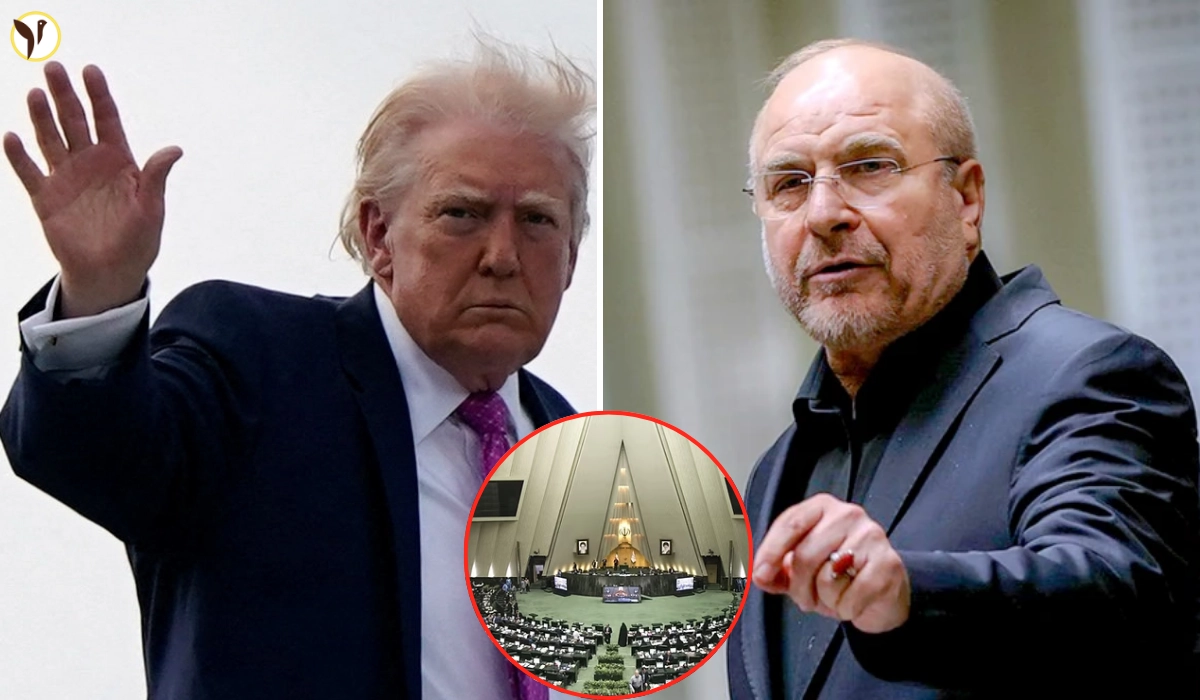


The world is watching a tense standoff between the United States and Iran, with missiles flying and diplomats scrambling. Then, out of nowhere, US President Donald Trump tells reporters his team is holding “very good and productive” talks with a top Iranian leader. Hours later, that leader fires back on social media, calling the whole thing “fake news” designed to play games with oil prices and stock markets.
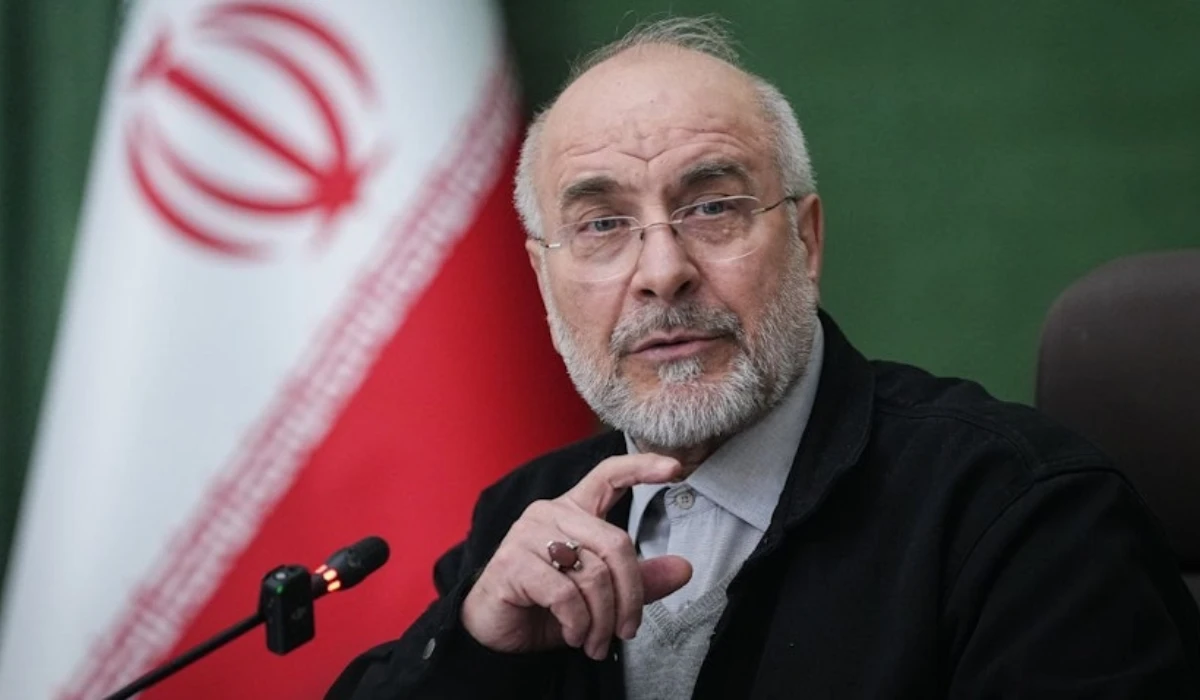
That leader? Mohammad Bagher Ghalibaf, the Speaker of Iran’s Parliament.
As of March 31, 2026, this back-and-forth has everyone asking two big questions: Who exactly is this man at the center of the storm, and why did he so firmly reject Trump’s claim? Let’s break it all down in simple words, step by step, with the latest details straight from the ground. You’ll walk away understanding not just the headlines, but the bigger picture of power, pride, and politics in the Middle East today.
Who Is the Iran Parliament Speaker in 2026? Meet Mohammad Bagher Ghalibaf
Mohammad Bagher Ghalibaf is no newcomer to the spotlight. At 64 years old, he has spent decades climbing the ranks in Iran’s tough world of politics and security. Born on August 23, 1961, near the city of Mashhad, he grew up in a family with Kurdish and Persian roots. From a young age, he showed discipline and drive.
He joined the Revolutionary Guards (a powerful military force in Iran) right at the start of the Iran-Iraq War in 1980, when he was just 19. He quickly rose to command units, helping build roads, railways, and bases that kept the country running during tough times. By the late 1990s, he led the Guards’ air force and later became the national police chief. In those roles, he modernized equipment and launched easy-to-use emergency lines that ordinary Iranians still remember fondly.
In 2005, he switched gears and became mayor of Tehran, Iran’s huge capital. For 12 years, he focused on building highways, parks, and shopping areas—especially in the wealthier northern parts of the city. Supporters say he “got things done.” Critics point out that poorer southern neighborhoods sometimes felt left behind. He even ran for president three times—in 2005, 2013, and 2024—but never won the top job. Still, those campaigns showed his ambition and his strong support from conservative groups.
Timeline: What Happened Step-by-Step
- Feb 28, 2026: War starts, U.S.-Israel strikes.
- June 2025/Feb 2026: Failed indirect talks.
- March 22-23: Trump first hints "productive talks" with "respected leader." Iran denies.
- March 29: Trump: "Extremely well" from Air Force One.
- March 30: Names Ghalibaf to NY Post, threatens infrastructure. Ghalibaf/Foreign Ministry reject.
- March 31: Back-and-forth peaks. No new strikes yet.
The Moment Everything Changed: Why Ghalibaf Rejected Trump’s Claim
On March 23, 2026, Trump stood in front of reporters and dropped a bombshell. He said American envoys had held talks with a “senior Iranian official.” He described the conversations as productive and even paused some planned strikes on Iran’s energy sites because of them. Israeli media and US sources quickly pointed fingers at Ghalibaf as the mystery contact.
Ghalibaf did not stay quiet. That same day, he posted on X (formerly Twitter): “No negotiations have been held with the US, and fake news is used to manipulate the financial and oil markets and escape the quagmire in which the US and Israel are trapped.” He repeated the message in several posts, making sure the world heard Iran’s side loud and clear.
Why reject it so strongly? Three clear reasons stand out:
First, pride and honor. Iran has long said it will never bow to pressure or “humiliation.” Accepting talks publicly while bombs are still falling could look weak to Iranians at home. Ghalibaf, a lifelong military man, knows the power of strong words.
Second, the war context. By late March 2026, weeks of US and Israeli strikes had hit Iranian targets. Iran fired back with missiles. In this heated atmosphere, any hint of secret deals could spark anger or confusion inside Iran. Ghalibaf called the claims a trick to calm jittery oil traders and make the US look like it was winning when it was stuck.
Third, real-world signals. Iran says the US talks peace in public but moves troops and warships closer in secret. Ghalibaf’s denial shut down any idea that Iran was ready to fold. It also protected him from hardliners who might accuse him of going soft.
Latest Updates as of March 31, 2026: Tension Keeps Rising
The story did not stop on March 23. Things heated up even more in the following days.
On March 29, Ghalibaf spoke to state media and posted again. He accused the US of secretly planning a ground invasion even while mentioning talks. He warned that if American soldiers set foot in Iran, Iranian forces were “waiting” to “set them on fire” and punish their allies. He also rejected a 15-point peace plan passed through Pakistan, calling it nothing but a list of American demands. “We will never accept humiliation or surrender,” he said.
By March 30, Trump sat down with the New York Post and kept the door open. He said the US would “find out in about a week” whether Ghalibaf was someone they could truly work with. He still called Iranian leaders “very reasonable” in some ways but made clear the military option remained on the table.
As of this morning, March 31, no new direct talks have been confirmed. Mediators from Pakistan, Oman, and Egypt are still shuttling messages. Oil prices jumped and dipped on the rumors, exactly as Ghalibaf predicted. Inside Iran, people are watching closely—some cheering the strong words, others hoping the fighting ends soon.
Ghalibaf has also used social media to give investors advice in a cheeky way: treat sudden “news” about deals as a “reverse indicator.” If markets pump on talk of peace, maybe sell; if they dump on war fears, maybe buy. It shows he understands how words move money.
Deeper Look: Ghalibaf’s Life Story and What It Means Today
To really understand why Ghalibaf speaks with such confidence, you have to look at his full journey.
As a young commander in the 1980s, he learned to build under fire—literally constructing supply lines during war. That experience taught him resilience. As police chief in the early 2000s, he cracked down on protests but also brought modern tools to everyday policing. As mayor, he turned Tehran into a city with better traffic flow and green spaces, earning international awards for sustainable transport.
His three presidential runs taught him how to talk to everyday Iranians. Even when he lost, he stayed loyal to the system. Now as Speaker, he chairs parliament sessions wearing his old military uniform sometimes—a reminder of his roots.
Critics inside and outside Iran point to corruption claims from his mayor days, like discounted land deals or family shopping scandals. Ghalibaf has denied wrongdoing, and supporters say the attacks are political. Whatever the truth, his long record makes him a survivor in Iran’s complex power structure.
Today, with the 2026 war raging, his military background makes him more than just a politician. He helps coordinate responses and speaks with the weight of someone who has seen conflict up close.
Trump: "The United States will soon know if the speaker of the Iranian parliament is ready to cooperate with the Americans"#USA #Trump #Ghalibafhttps://t.co/8zqpwAOfMB pic.twitter.com/Vdrj92FaQO
— Azad Iran (@azad_iran_media) March 31, 2026
What This Means for the Bigger Picture
This clash between Ghalibaf and Trump is not just about one tweet. It shows how words can shape wars. Trump uses hopeful talk to ease pressure on markets and keep allies calm. Ghalibaf uses blunt denial to show strength and unity at home.
For ordinary people in Iran, the US, and the region, the stakes are real—higher oil prices, fear of wider fighting, and worries about families caught in the middle. Experts say the next week could be decisive: either talks quietly move forward through back channels, or more strikes happen.
One thing is clear: Ghalibaf has positioned himself as Iran’s steady defender, unwilling to let anyone twist the story.
Inside Iran Parliament: How Ghalibaf Controls War Votes
Parliament's 290 seats? Mostly conservatives handpicked post-2024 elections. Ghalibaf, with 219 votes in his last re-election (June 2025), runs it like a well-oiled machine. March 30 session: Lawmakers cheered his Trump rebuke, passing a bill for "defensive tolls" on Hormuz. Budget? $10 billion rerouted to drones.
Dissent? Rare. Challenger Mahmoud Nabavian tried in 2024 – flopped with 40 votes. Women lawmakers (18 seats) back him quietly, pushing family aid amid blackouts. Ghalibaf's edge: Committees he chairs greenlight IRGC funds. One vote March 31: Banned U.S. imports forever. Unity sells in war.
Visitors describe sessions: Chants of "Death to America," then calm debates on wheat prices. Ghalibaf moderates, quoting poetry from Hafez for morale. It's theater, but effective – keeps the home front solid.
Other Articles to Read:
- Splitsvilla X6 Himanshu Arora Breaks Silence: Why Did He Unfollow Diksha Pawar?
- Ravindra Jadeja Cries On Field Against CSK In Emotional IPL 2026
- SRK’s King Dubai Shoot Cancelled, Mumbai Shift Confirmed
- American Idol Cuts 6 Contestants, Reveals Top 14 — Did Your Favorite Survive?
- Euphoria Season 3 Trailer 2: Dark Twists, Time Jump & Rue’s Most Intense Chapter Yet