

Cinco de Mayo marks Mexico's stunning 1862 victory at the Battle of Puebla against French forces, a day far richer than margaritas and tacos in the U.S.. On May 5, 2026, restaurants nationwide push back against stereotypes by honoring genuine cultural history through traditional dishes and events. This shift matters because it reclaims the holiday's roots, boosting Mexican-owned businesses while educating diners on its true significance.
Historical Roots of the Battle
The Battle of Puebla on May 5, 1862, saw 6,000 Mexican troops under General Ignacio Zaragoza defeat 8,000 elite French soldiers, defying odds in a David versus Goliath clash. This wasn't Mexico's independence day, which falls on September 16, instead, it symbolized resistance to European imperialism during a time when Mexico suspended debt payments, prompting French invasion.. Puebla celebrates annually with reenactments, but the holiday gained traction in the U.S. via Mexican communities in California during the 1860s, later amplified by Chicano movements in the 1960s for civil rights pride..
In my view as a journalist tracking cultural shifts, this underdog story endures because it mirrors ongoing fights for sovereignty, from 19th century colonialism to today's immigrant narratives. Without it, French occupation might have reshaped Mexico's trajectory.
This vintage view captures Puebla's historic plaza, site of ongoing commemorations that draw crowds to relive the battle's legacy .
U.S. Evolution: From Symbol to Commercial Spectacle
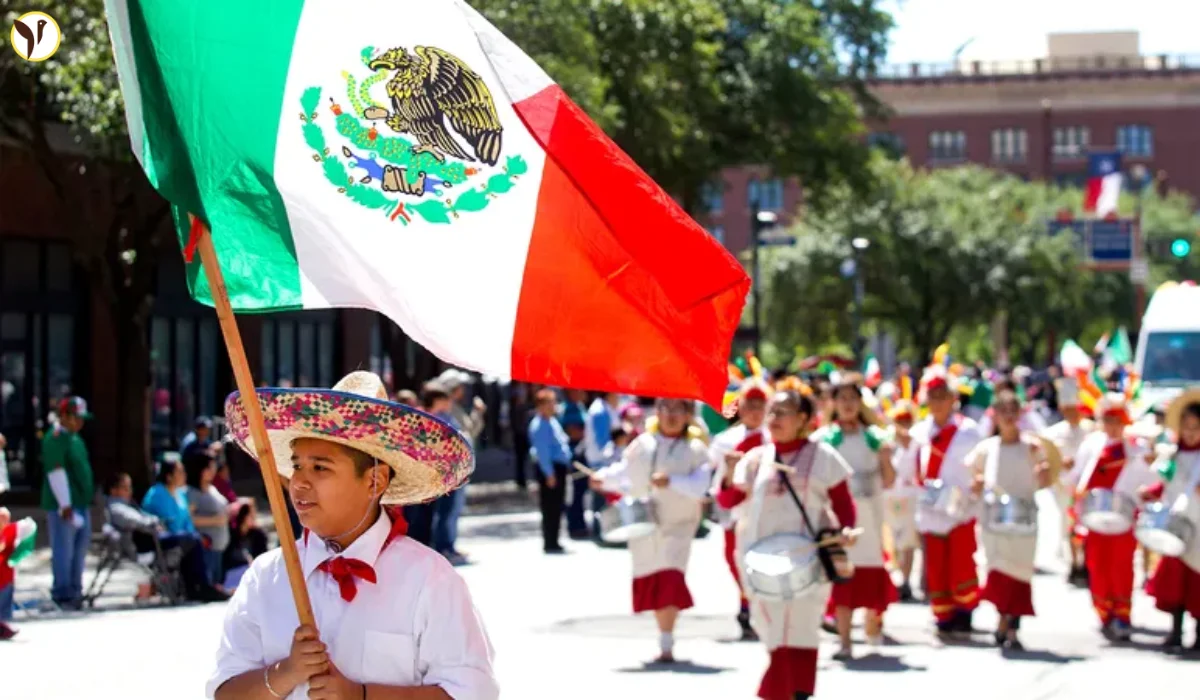
In America, Cinco de Mayo exploded commercially in the 1970s as beer companies targeted Mexican American markets, with Nielsen reporting over $600 million in U.S. beer sales by 2013, surpassing Super Bowl figures.. Today, restaurants see a 44% sales spike, per data from business trackers, but critics note it often overshadows the history with party vibes. Mexican Independence Day remains quieter south of the border, while Cinco de Mayo thrives in U.S. cities like Los Angeles with mariachi parades and folk dances.
Yet, forward momentum shows change. In 2026, eateries emphasize authenticity, offering mole poblano, a Puebla specialty of chili chocolate sauce over turkey or pozole, an Aztec rooted stew, over generic nachos.. This matters for economic impact: Mexican businesses gain visibility, fostering community pride amid debates on cultural appropriation.
(source of the image: britannica)
2026 Celebrations: Restaurants Lead Authentic Revival
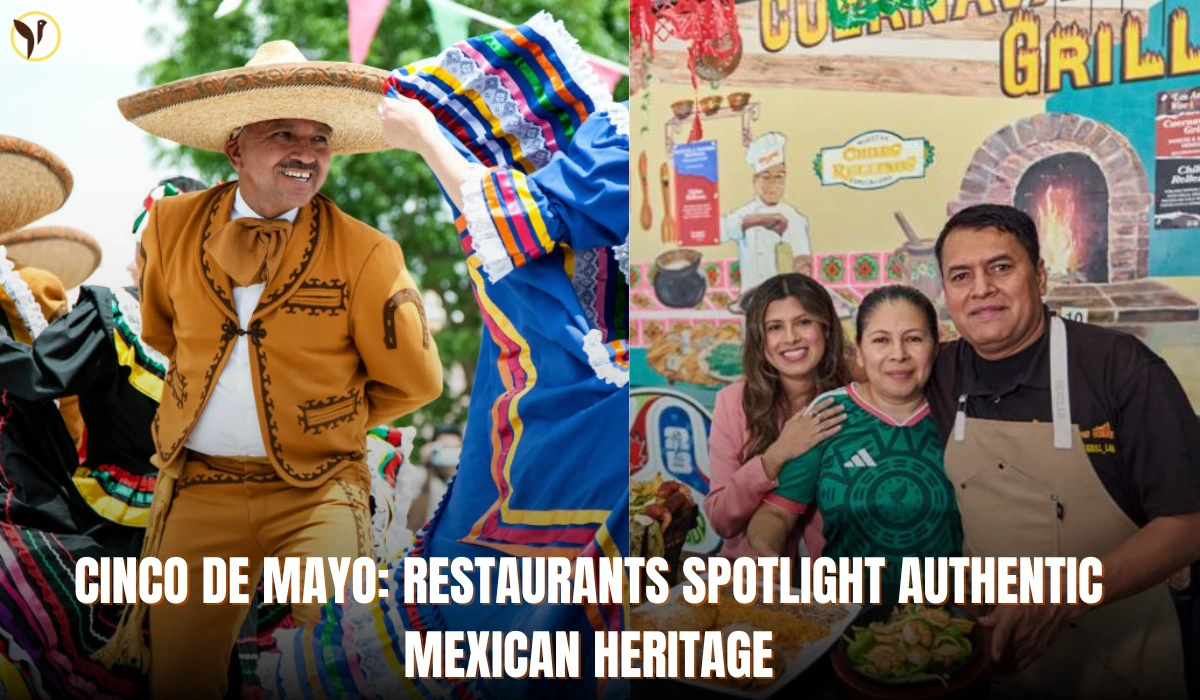
Restaurants are at the forefront this Cinco de Mayo 2026, celebrating Mexican culture and history through genuine experiences, as highlighted in reports from Goshen News and Rutland Herald. Owners host live mariachi, baile folklórico dances, and tastings of regional fare like elotes (street corn) or fish tacos from Baja origins. These efforts counter commodification, with spots like those in Indiana producing local mole bases since 1925 via brands such as El Popular.
Consider this table of authentic dishes spotlighted in 2026 promotions:
| Dish | Origin/Region | Cultural Tie to Cinco de Mayo | Typical Pairing |
|---|---|---|---|
| Mole Poblano | Puebla | Battle site's signature, symbolizes resilience | Turkey or chicken |
| Pozole | Mesoamerica (Aztec) | Pre- Hispanic stew for victories | Lime, radish |
| Elotes | Street food nationwide | Festive snack at parades | Chili, cotija cheese |
| Fish Tacos | Baja California | Coastal pride in national unity | Cabbage slaw |
Data drawn from culinary histories and restaurant guides, sales boosts make these viable for owners.
A spread of guacamole, quesadillas, and salsa on a festive table evokes the communal feasts at authentic venues this year (source: Boston 25 News).
Other Articles to Read:
- Archana Puran Singh Cheers as Son Ayushmaan Sethi Lifts Girlfriend Into Their Home
- Karan Johar Becomes First Filmmaker at Met Gala with Raja Ravi Varma Look
- Ananya Birla Just Broke Every Met Gala Rule With This Viral Metallic Face Piece
- Hantavirus Turns Cruise Into Emergency Zone: How Many Are Affected
Why This Matters for Communities and Economy
These authentic pushes economically empower Latino entrepreneurs, with holidays like this driving foot traffic to family-run spots. In Puebla, it unites locals, in the U.S, it educates amid rising cultural awareness post-2020s diversity reckonings.. My take: While beer sales fund some events, prioritizing history prevents dilution, ensuring Cinco de Mayo evolves as a bridge for Mexican heritage rather than a punchline. Children in vibrant folklorico outfits dance, embodying the joyful traditions restaurants recreate in 2026
Looking Ahead: Sustaining the Shift
Post-2026, expect more hybrid events blending virtual tastings for global reach, given streaming trends. Regulations on alcohol ads might temper excess, per ongoing FTC scrutiny. Readers, skip the chains, seek spots with Zaragoza murals or Puebla recipes for real impact.
This holiday reminds us history thrives when commerce serves culture.