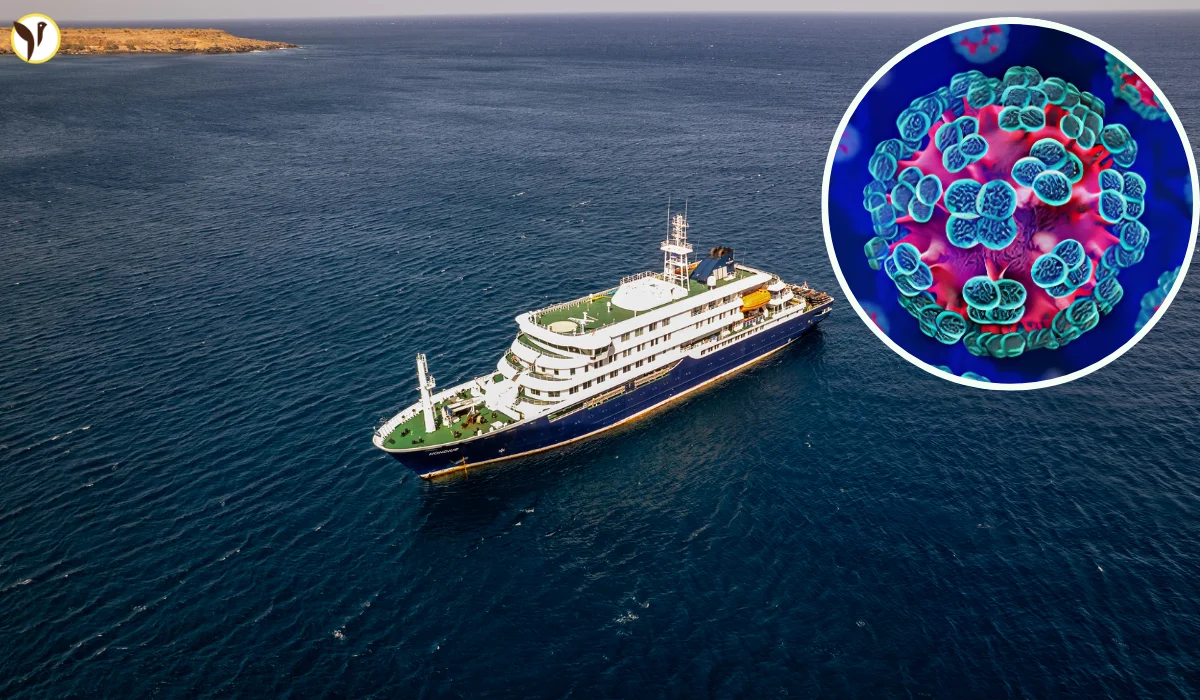


A suspected hantavirus outbreak has turned a small cruise ship in the Atlantic Ocean into a serious emergency, with three people losing their lives and several others falling sick. What was meant to be a peaceful sea journey has now become a major health concern, with the World Health Organization (WHO) and multiple countries closely monitoring the situation.
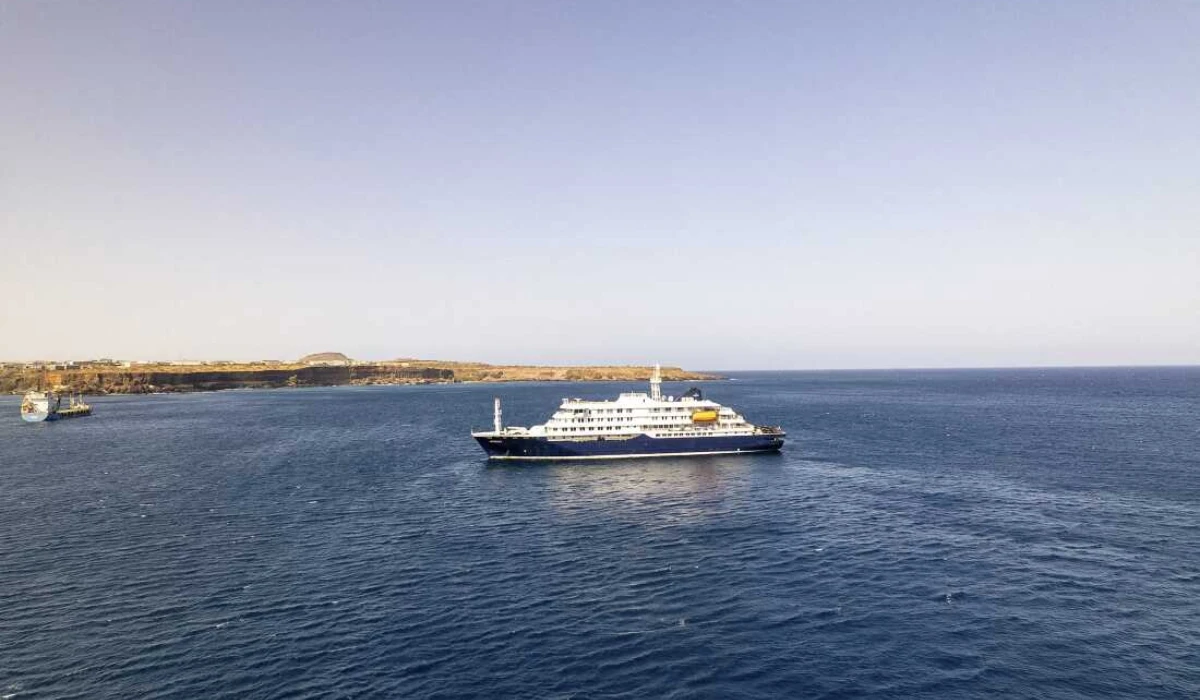
The ship, called MV Hondius, was travelling from Argentina to Cape Verde when passengers started reporting symptoms like fever, body pain, and difficulty breathing. Health authorities have confirmed one case of hantavirus through lab testing, while five more cases are still being examined. One patient is in critical care in South Africa, and others are either being treated or kept under strict observation.
What Exactly Happened on Board the Cruise
The MV Hondius was on a long journey from Ushuaia in Argentina to Cape Verde. On board were around 150 to 170 passengers along with more than 70 crew members.
During the trip, a few passengers suddenly started feeling unwell. At first, it looked like a normal flu, but their condition quickly got worse. They had high fever, body aches, and trouble breathing. This raised concern among the ship’s medical team.
After further checks, health experts suspected hantavirus, which is a rare but serious disease. The World Health Organization later confirmed that three people had died and at least six people were suspected to be infected, including one confirmed case.
As the situation became serious, authorities decided to stop normal activities on the ship. It was not allowed to dock freely in Cape Verde, and the ship was placed under strict control. Only trained medical teams are now allowed to board and handle the situation.
Total Number of Cases and Casualties Reported
So far, the situation looks like this:
- Three deaths have been reported. Among them is a Dutch husband and wife.
- One case has been officially confirmed as hantavirus through lab testing.
- Five more cases are suspected and are still under investigation.
- At least one patient is in very serious condition and is being treated in an intensive care unit in Johannesburg, South Africa.
The cruise company, Oceanwide Expeditions, has said it is working closely with local authorities in Cape Verde and the World Health Organization to safely move sick passengers to hospitals while keeping others under observation.
3 People Dead, Multiple Others Infected in Hantavirus Outbreak Aboard Cruise Ship https://t.co/u0fDahfjio
— People (@people) May 4, 2026
What is Hantavirus and How Dangerous is it?
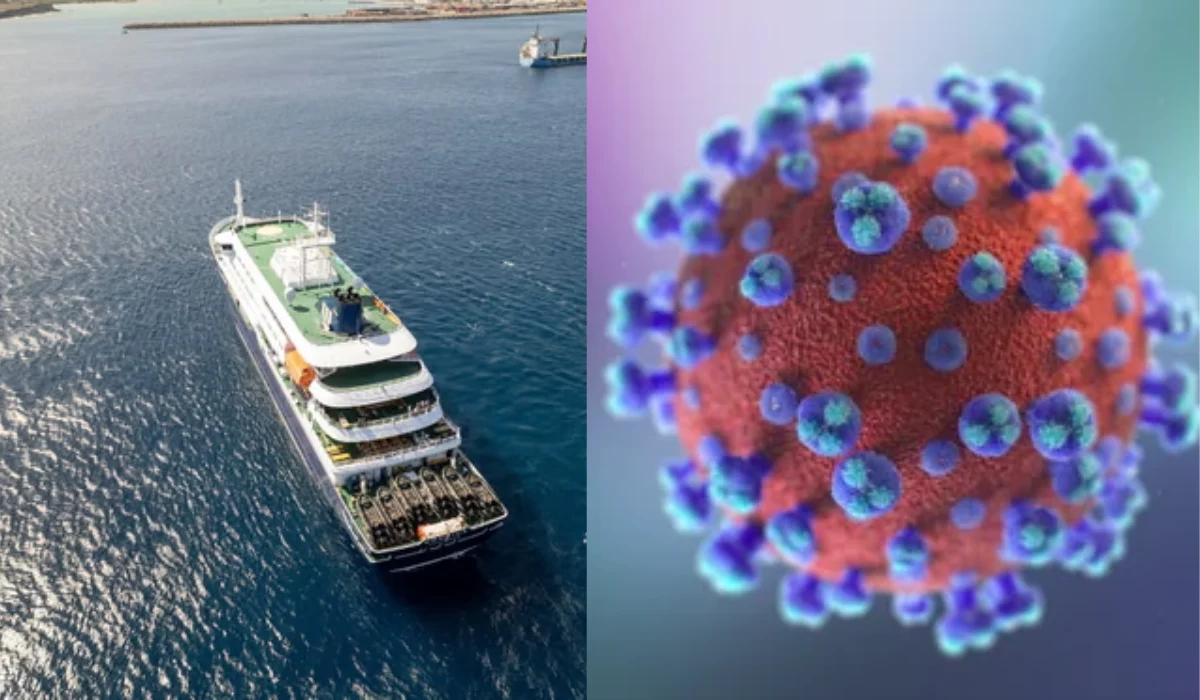
Hantavirus is a group of viruses that mainly spread through rodents like rats and mice. The virus is found in their urine, droppings, and saliva. When these particles mix with dust and people breathe them in, they can get infected. In some cases, hantavirus can lead to a serious condition called Hantavirus Pulmonary Syndrome (HPS), which affects the lungs. The early symptoms feel like a bad flu:
- Fever
- Headache
- Muscle pain
- Tiredness
But as the illness gets worse, it can cause:
- Severe breathing problems
- Chest pain
- Weakness
If not treated on time, it can become life-threatening because the lungs can fill with fluid, making it very hard to breathe. Hantavirus is not common in cities. It is usually found in rural or forest areas where rodents are present. What makes this case unusual is that it has appeared on a cruise ship, far out at sea.
What Caused the Infection to Spread at Sea
Right now, experts are still trying to understand exactly how the virus reached the ship. However, there are a few possible reasons:
- Rodents or their droppings may have been present in food storage areas or cargo loaded at earlier ports.
- Some passengers might have already been infected before boarding and later showed symptoms during the journey.
- In very rare cases, the virus can spread through close contact with bodily fluids of seriously ill patients.
Cruise ships have closed spaces, shared air systems, and common areas like dining halls. These conditions can make it easier for infections to spread quickly once someone is sick. Because of this, authorities decided to treat the ship as a controlled emergency zone.
Which Passengers Face the Highest Risk
Some people are more likely to become seriously ill if they catch hantavirus. These include:
- Older adults, especially those above 60 or 70 years
- People with existing health problems like heart or lung disease
- Those with weak immune systems
- People who may have been exposed to dusty or closed areas where rodents could be present
The Dutch couple who died were both older, and one of them was taken to South Africa for treatment but could not survive. Health teams are also closely monitoring crew members and staff who may have come in contact with sick passengers or risky areas.
What This Means for Travellers Worldwide
For most people, there is no need to panic. Hantavirus is still very rare, especially in everyday city life. However, this incident is a reminder to be careful while travelling, especially to remote or less-developed areas. Here are some simple safety tips:
- Choose well-known cruise companies that follow strict hygiene rules
- Make sure ships regularly check for pests and rodents
- Report any signs like dust, strange smells, or rodent activity in your cabin
- If you feel sick after a trip, especially with breathing problems, see a doctor immediately
Authorities in countries like Cape Verde, South Africa, Argentina, the Netherlands, and the UK are closely watching this situation to make sure it does not spread further.
Other Articles to Read:
- Kangana Ranaut Shuts Down Rahul Gandhi Marriage Rumour With Strong Response
- Hema Malini Visit To Saira Banu Brings Back 1966 Deewana Days
- Salman Khan Didn’t Cry After Losing 42-Year Friend Sushil Kumar Shares Honest Note
- Rudy Giuliani Rushed to Hospital: What Really Caused This Sudden Emergency
- Whitney Leavitt Exits The Secret Lives of Mormon Wives – Shocking Exit!
- Shah Rukh Khan Celebrates Sunil Narine’s 200 IPL Wickets: Here's What He Said