



Motor fuel in India has seen large overnight increases in bulk diesel pricing. On July 4th diesel prices increased by nearly Rs 22 a litre overnight seemingly due to the rising cost of global crude oil and rising tensions with Iran around the vital Strait of Hormuz.
If you are either a business owner, run a transportation dependent business, or operate your business using diesel, you have undoubtedly already noticed the new prices for bulk diesel; if you are an average consumer of diesel, you will soon see the increase in prices for goods and services as a result of the increase in cost of diesel.
Current Diesel Prices Across India
Retail diesel rates hold steady today March 21. Bulk industrial diesel jumps sharply.
|
|
|
|
|
|
|
|
|
|
|
|
|
|
|
|
|
|
|
|
|
|
|
|
|
|
|
|
What Triggered This Sudden Diesel Price Spike
This isn’t a routine price revision—it reflects global pressure.
Key reasons:
- Crude oil prices rising in international markets
- Supply concerns due to geopolitical tensions
- Bulk fuel linked directly to market rates
Who feels the impact first:
- Transport fleets and truck operators
- Factories using diesel generators
- Construction and infrastructure sectors
Bulk buyers face real-time price changes, unlike retail consumers.
Iran Tensions Driving Global Oil Pressure
The situation involving Iran is central to this price movement.
Why it matters:
- Strait of Hormuz handles a major share of global oil supply
- A large portion of India’s crude imports passes through this route
- Any disruption or tension increases global oil prices instantly
Current impact:
- Slower oil movement in key shipping routes
- Traders reacting to supply risks
- Crude prices hovering around high levels
Even uncertainty—not actual shortage—can push fuel prices higher.
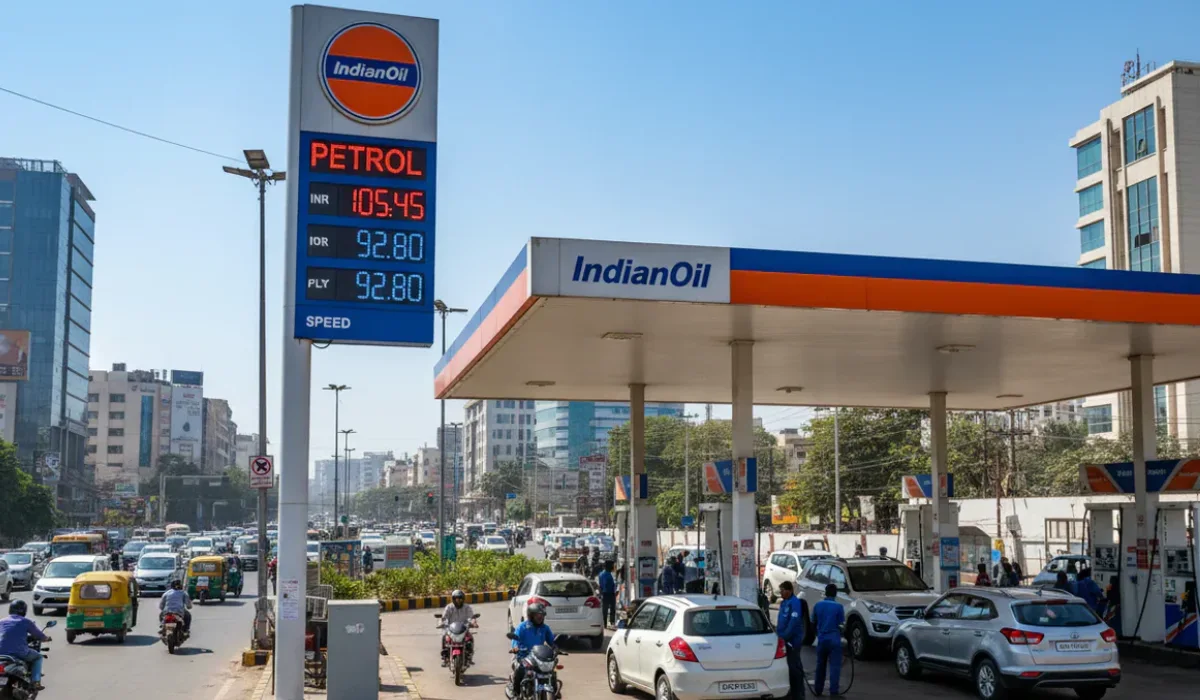
Transport and Delivery Costs Set to Rise
The impact is already visible in logistics.
Cost impact examples:
- Truck using 40 litres/day → ₹800–₹900 extra daily
- Fleet operators → massive daily cost increase
- Logistics companies → rising operating expenses
Expected changes:
- Freight rates may rise 8–10%
- Delivery charges could increase soon
Your online orders and daily essentials may get costlier.
Manufacturing and Power Sectors Under Pressure
Industries relying on diesel are facing immediate stress.
Key effects:
- Generator costs rising sharply
- Production expenses increasing
- Smaller businesses facing margin pressure
Power backup impact:
- Commercial buildings see higher costs
- Hospitals and emergency systems affected
- Infrastructure projects become expensive
Other Articles to Read
- Nicholas Brendon Dies At 54 Buffy Star Remembered For Iconic Role
- Dhurandhar Cost Shock: Budget, Fees & Box Office Secrets Out Now!
- Call Me Bae Season 2 Just Got More Interesting With This New Entry
- Justin Timberlake Career In Danger After Arrest Video Brings Back Case
- RCB vs SRH Tickets Are Selling Fast — Here’s How to Book Now
Why Retail Diesel Prices Haven’t Increased Yet
You might not see a price change at petrol pumps immediately.
Reasons:
- Government controls retail pricing through taxes
- Oil companies absorb short-term cost pressure
- Policy decisions delay direct impact on consumers
Important difference:
- Retail diesel = controlled pricing
- Bulk diesel = market-driven pricing
This gap explains why industries feel the shock first.
Key Points You Should Know
- Bulk diesel prices up nearly 25% overnight
- Retail prices stable for now
- Iran-related tensions affecting global supply
- Transport and manufacturing costs rising
- Inflation impact likely in coming days
Final Thoughts
This diesel price surge is a clear signal of global economic pressure reaching India. While retail prices are stable today, the rise in bulk diesel costs is already impacting industries. As transport and production costs increase, the effect will gradually reach consumers. The coming weeks will be crucial in determining whether this remains a short-term spike or turns into a broader fuel price cycle.